
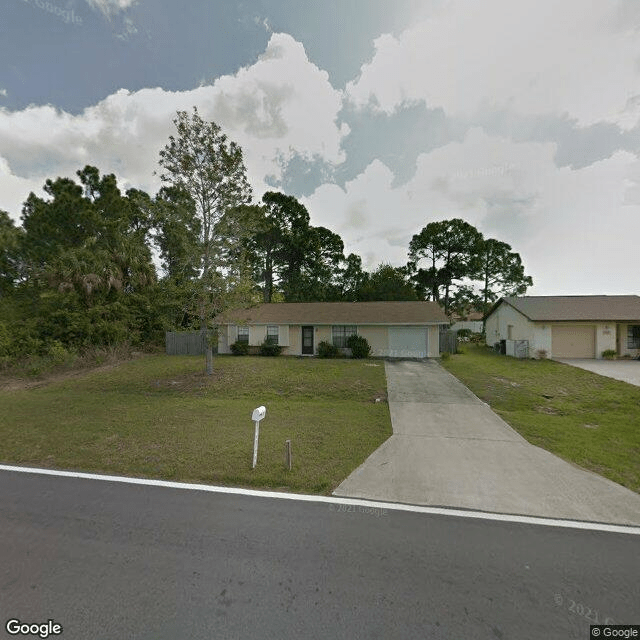
193 Eldron Boulevard Ne, Palm Bay, FL 32907
To contact a resident: (321) 914-8563
For more information about senior living options: (866) 208-4318
B & V La Belle Vie Assisted Living Costs & Pricing
B & V La Belle Vie Assisted Living offers competitive pricing for its services, significantly lower than both Brevard County and the broader Florida state averages. For residents seeking semi-private accommodations, costs are set at $1,750 per month, which is notably more affordable compared to the county's average of $3,027 and the state's average of $3,009. Private rooms at La Belle Vie are priced at $2,500, again undercutting the local ($3,663) and state ($3,699) benchmarks. The studio options range from $2,815 to $3,500, allowing for flexibility while still remaining less expensive than the county and state averages of approximately $3,805 and $3,823 respectively. Additionally, one-bedroom units are offered at $3,315 and two-bedroom options at $3,790 - both prices favorably align with or lower than market rates in Brevard County and across Florida. Overall, B & V La Belle Vie provides a cost-effective solution for assisted living that prioritizes quality care without compromising on affordability.
| Floor plans | B & V La Belle Vie Assisted Living | Brevard County | Florida |
|---|---|---|---|
| Semi-Private | $1,750 | $3,035 | $3,009 |
| Private | $2,500 | $3,672 | $3,699 |
| Studio | $2,815 to $3,500 | $3,805 | $3,823 |
| 1 Bedroom | $3,315 | $3,909 | $3,864 |
| 2 Bedrooms | $3,790 | $4,581 | $4,711 |
Memory care communities with a similar price nearby
-
from +$185 / mo
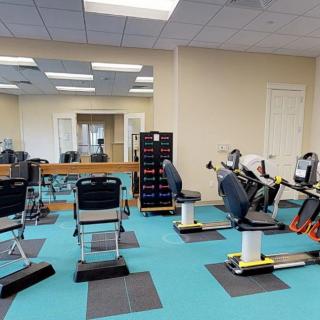
Riverview Senior Resort
$3,000 to $4,500 / month5.9 miles away -
from +$185 / mo
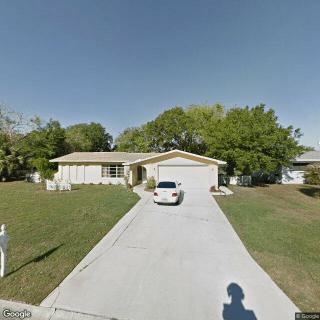
Shangri La Of Melbourne - ALF
$3,000 to $4,500 / month5.4 miles away -
from -$315 / mo
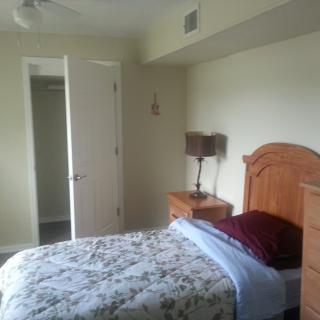
Living Southern Style Of Brevard
$2,500 to $3,500 / month24.5 miles away -
from -$515 / mo
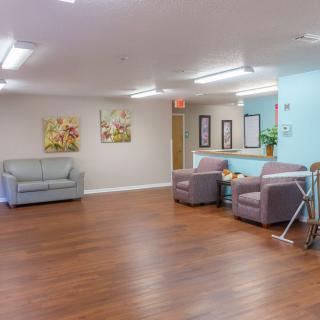
Bethesda on Turkey Creek
$2,300 to $3,500 / month5.0 miles away -
from -$320 / mo

Harborside at Melbourne
$2,495 to $4,495 / month7.1 miles away
Overall Review of B & V La Belle Vie Assisted Living
Pros
 The staff are always helpful and willing to provide the excellent care that is needed.
- The community is clean.
- He is enjoying a variety of healthy meals.
- He is asked to participate in the activities that are offered.
- The care and value of this community are recommended to other families.
Cons
 The reviewer did not have a good experience during a tour of the care home.
- The reviewer would not recommend this community to anybody.
- There was only one caregiver in the home.
- The caregiver was yelling at a resident.
- The smell of urine lingered throughout the home.
- There were no activities and no outside environment.
- The reviewer was not impressed with the tour of the care home.
Review
This community is best suited for seniors who want a clean, comfortable living environment with reliable meals and opportunities to participate in activities, while tolerating a smaller caregiving footprint and less intensive medical supervision. It fits residents who are relatively independent day-to-day but still value consistent housekeeping, decent nutrition, and some social engagement. Those who require around-the-clock, high-touch care, robust programming every day, or frequent, hands-on supervision should consider other options.
Families should consider alternatives if the resident requires steady, abundant staffing, a wide array of daily activities, or guaranteed outdoor exposure. The most serious cautions from the available feedback center on staffing and environment: a tour note described minimal staffing and rough behavior from staff observed toward a resident, plus a persistent urine odor and a lack of outdoor space or programmed activities. These factors point to a setting that can struggle to provide consistent, engaging supervision for residents with greater care needs or those who prize varied, outdoor-friendly programming.
On the upside, the positives paint a practical, reassuring picture for many residents. Cleanliness and a calm, orderly atmosphere are consistently highlighted, and meals are described as healthy and varied. Staff are perceived as helpful and responsive to the needs of residents, and there is an emphasis on inviting residents to participate in activities. For families prioritizing dignity, nutrition, and a respectful, manageable routine, these elements can deliver meaningful daily quality of life and reinforce a sense of comfort and belonging.
The principal drawbacks temper those strengths. The concern about staffing levels, an observer noting only one caregiver in the home during a tour, raises questions about supervision, responsiveness, and safety during off-hours. The odor concern underscores potential environmental and hygienic issues that should not be dismissed, as odor can signal underlying challenges with housekeeping or incontinence management. The absence of outdoor spaces and limited programming also means fewer opportunities for fresh air, social time outside, and sensory stimulation that many families associate with well-rounded senior living.
How the positives can offset the negatives depends on individual priorities. For a resident who thrives on routine, appreciates clean spaces, and values good meals with a willingness to participate in offered activities, the pros can outweigh the cons, especially if staffing levels prove adequate in day-to-day experiences and if the resident does not require intensive care. However, for families where daily activity variety, outdoor time, and consistent, multiple-staff coverage are non-negotiables, the cons are material enough to steer toward stronger alternatives. The facility’s value proposition, cleanliness, decent nutrition, and engaged staff when available, collides with the real possibility of understaffing and limited programming, so due diligence is essential.
Ultimately, the decision hinges on identifying a resident’s non-negotiables. If the priority is a straightforward, well-kept environment with dependable meals and a willingness to participate in programs, La Belle Vie can be a solid match. If ongoing concerns about staffing consistency, odor management, and outdoor or activity-rich experiences are deal-breakers, families should compare this option against facilities that consistently demonstrate robust staffing ratios, richer activity calendars, and accessible outdoor spaces. A proactive next step is to schedule a follow-up tour at different times, meet multiple staff across shifts, review the activity calendar, inspect the outdoor and common areas, and request current resident references. This approach clarifies whether the strengths truly align with the resident’s needs and confirms whether the drawbacks are temporary factors or persistent barriers.
 6 resident community capacity
 Assisted Living
 Board and Care Home
 Memory Care
 Activities off-site
 Bath tubs
 Cable or satellite TV
 Devotional services off-site
 Dining room
 Fully furnished
 Garden
 Housekeeping services
 Indoor common areas
 Move-in coordination
 Outdoor common areas
 Private
 Private bathrooms
 Respite or short term stays offered
 Telephone
 Wi-Fi/high-speed internet available
 Melbourne International (7 miles away)
 24-hour supervision
 Ambulatory care
 Assistance with bathing
 Assistance with dressing
 Assistance with transfers
 Diabetes diet
 Diabetic care
 Meal preparation and service
 Medication management
 Special dietary restrictions
 Transportation arrangement (medical)
 Transportation to doctors appointments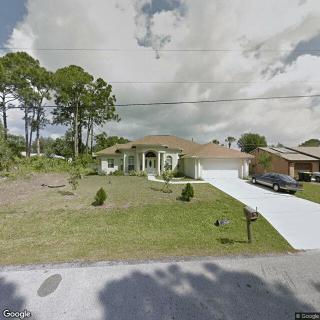




 Assisted Living and Memory Care: Understanding Their Core Differences
 Choosing the Right Senior Care: A Detailed Exploration of Assisted Living and Nursing Homes
 Safeguarding Your Memory Through the Golden Years: Eight Ways to Preserve Cognitive Health