
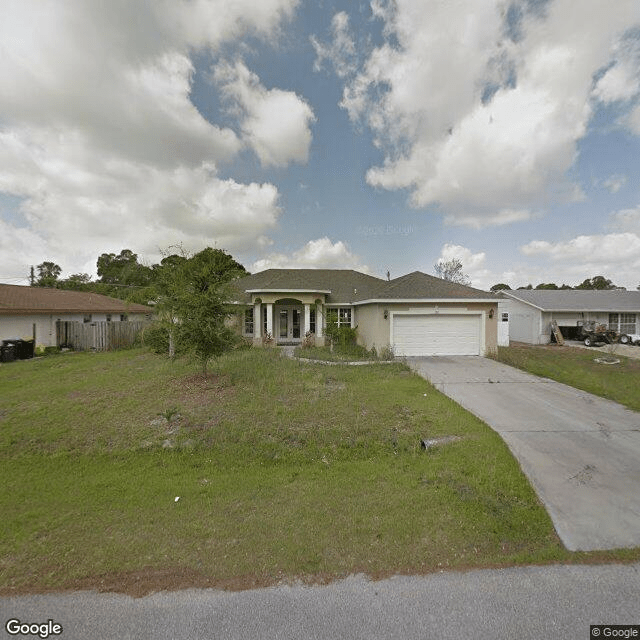
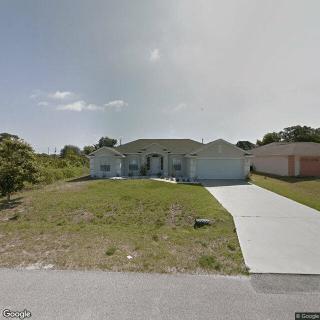
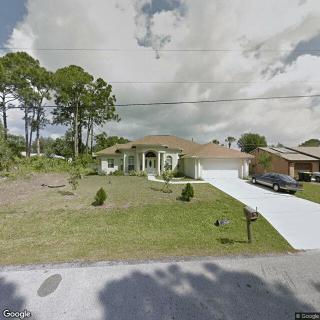
152 Bonfire Avenue, Palm Bay, FL 32907
To contact a resident: (321) 473-8227
For more information about senior living options: (866) 208-4318
Le Bonfire Inc. Costs & Pricing
Le Bonfire Inc. offers competitive pricing for its accommodations when compared to the broader market in Brevard County and across Florida. For semi-private rooms, Le Bonfire Inc. charges $2,000 per month, significantly lower than the county's average of $3,027 and the state average of $3,009. Similarly, their private rooms are priced at $2,700, which again stands in stark contrast to Brevard County's average of $3,663 and Florida's statewide average of $3,699. This positioning not only underscores Le Bonfire Inc.'s commitment to affordability but also highlights its potential appeal to those seeking quality care without the financial strain often associated with similar facilities in the region.
| Floor plans | Le Bonfire Inc. | Brevard County | Florida |
|---|---|---|---|
| Semi-Private | $2,000 | $3,035 | $3,009 |
| Private | $2,700 | $3,672 | $3,699 |
Memory care communities with a similar price nearby
-
from +$300 / mo
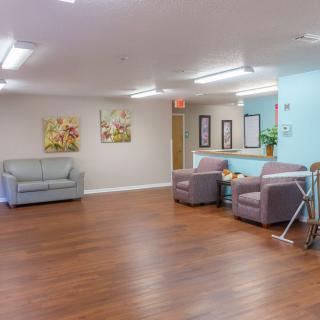
Bethesda on Turkey Creek
$2,300 to $3,500 / month4.6 miles away -
from +$375 / mo
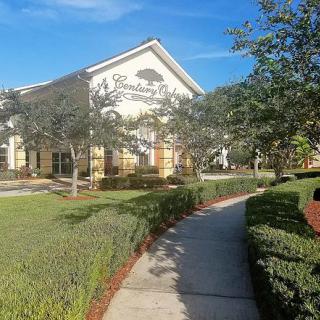
Century Oaks
$2,375 to $2,870 / month3.7 miles away -
from +$200 / mo
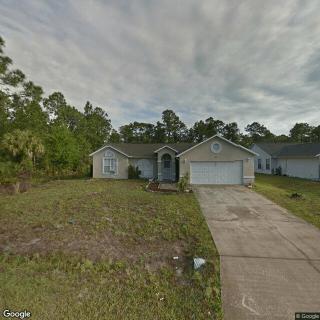
Tender at Heart Assisted Living Facility
$2,200 to $3,500 / month4.4 miles away -
from +$300 / mo
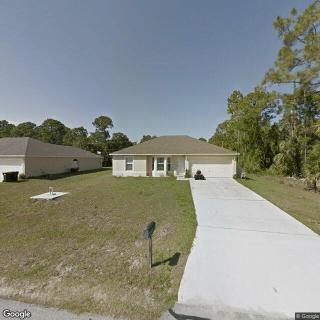
Sunny Days
$2,300 to $3,500 / month4.2 miles away -
from +$200 / mo
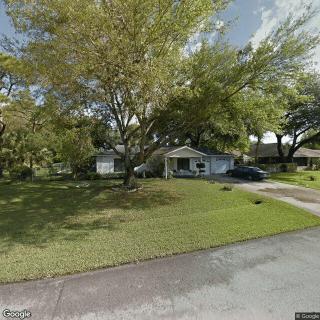
Patricia Jones AFCH
$2,200 to $3,500 / month2.2 miles away
Overall Review of Le Bonfire Inc.
Pros
 The owners are very nice along with the caregivers.
- The mother enjoys the quiet homelike setting.
- It is a very nice place.
- The place is clean, and the residents are well cared for and happy.
Cons
 The reviewer believes the only improvement would be having more activities available.
Review
Le Bonfire Inc. in Palm Bay is best suited for seniors who prioritizes a quiet, home-like atmosphere and highly personalized attention over a bustling schedule. This community functions like a small, intimate household where a resident can receive consistent, hands-on care from owners and caregivers who know them by name. It is an ideal setting for families seeking close-knit interactions, predictable routines, and a low-stimulation environment that reduces confusion and overstimulation for a loved one who thrives on stability and personal connection rather than constant activities.
Those who should consider alternatives are families hoping for more structured programming, frequent group activities, and a broader social calendar. If a resident wants or requires extensive daily programming, a wide variety of events, or robust on-site amenities, this may feel too sparse. Larger assisted living campuses often deliver more predictable activities, transportation options, and diverse social opportunities, which can be important for residents who want to stay actively engaged or who rely on scheduled programming to structure their days.
The strongest telltale pros here are the small-scale, people-focused environment and the clear, consistent care. Residents appear clean, well cared for, and content, and the setting radiates a calm, homelike vibe that supports dignity and individualized attention. The owners and caregivers are described as kind, trustworthy, and approachable, which translates into meaningful daily interactions, responsive problem-solving, and the kind of steady presence that reassures families. For a loved one who values private, low-key days, this combination can offset the lack of a wide activity menu through reliable consistency and warmth.
The main drawback centers on activity breadth. With only a couple of other residents, opportunities for group engagement and scheduled diversions are naturally limited. While this fosters deep, personalized connections, it can also lead to slower social stimulation and fewer chances to try new experiences without family involvement or outside-the-home arrangements. Families should recognize that the quiet rhythm is a deliberate trade-off: serenity and individualized care at the expense of a bustling calendar. Those who prioritize companionship through an extensive activity slate may find the gap more pronounced over time.
To make this trade-off work, leverage becomes essential. The care team’s strengths, cleanliness, attentiveness, and a nurturing tone, provide a solid foundation for day-to-day well-being, and a proactive family can supplement activities through coordinated outings, in-home programs, or community resources. Prospective residents should ask how flexible the staff is regarding adding simple, safety-compliant activities, whether they can accommodate family-driven events, and how they handle evenings or weekends when the activity options naturally shrink. Clarifying care plans, sleep routines, and meal pacing can also reveal how well the intimate setting adapts to evolving needs.
In the end, Le Bonfire Inc. offers a compelling choice for families prioritizing intimate, high-touch care within a serene, home-like environment. It is especially suited for residents who appreciate predictability, comfort, and personal attention, and for families prepared to supplement a modest activity slate with collaboration and outside resources. Those seeking a more vibrant social life, a larger community, or a wider array of on-site programs should actively compare alternatives that emphasize extensive activity calendars and diversified peer networks. A decisive step is to schedule a visit that allows observation of interactions between staff and residents, a candid discussion about activity expectations, and a clear sense of whether the home-like pace aligns with long-term goals.
 Board and Care Home
 Memory Care
 Activities off-site
 Bath tubs
 Indoor common areas
 Outdoor common areas
 Private
 Private bathrooms
 Respite or short term stays offered
 Wheelchair accessible showers
 Melbourne International (7 miles away)
 Ambulatory care
 Diabetic care
 High acuity care
 Incontinence care
 Medication management
 Kosher

 Understanding Dementia Through Its Seven Stages: A Comprehensive Look at Progression and Expectations
 A Holistic Dementia Care Guide: Effective Strategies for Memory Support
 Memory Care Pathways: A Holistic Guide to Dementia Support