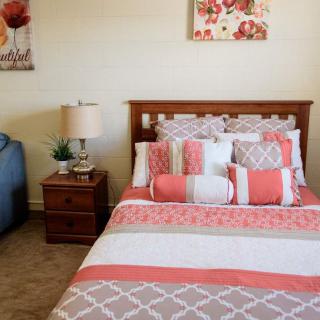
Residents describe both engaging memory care moments and serious concerns in the memory care unit.
Several reviews specifically call out the memory care setting. One person describes the team joining residents there with familiar music and dancing. Other reviewers raise alarms about whether memory care residents are adequately watched and whether they stay safely within appropriate areas.
common10 reviews mention this
Cleanliness stands out
Multiple reviews highlight the facility as clean and well kept.
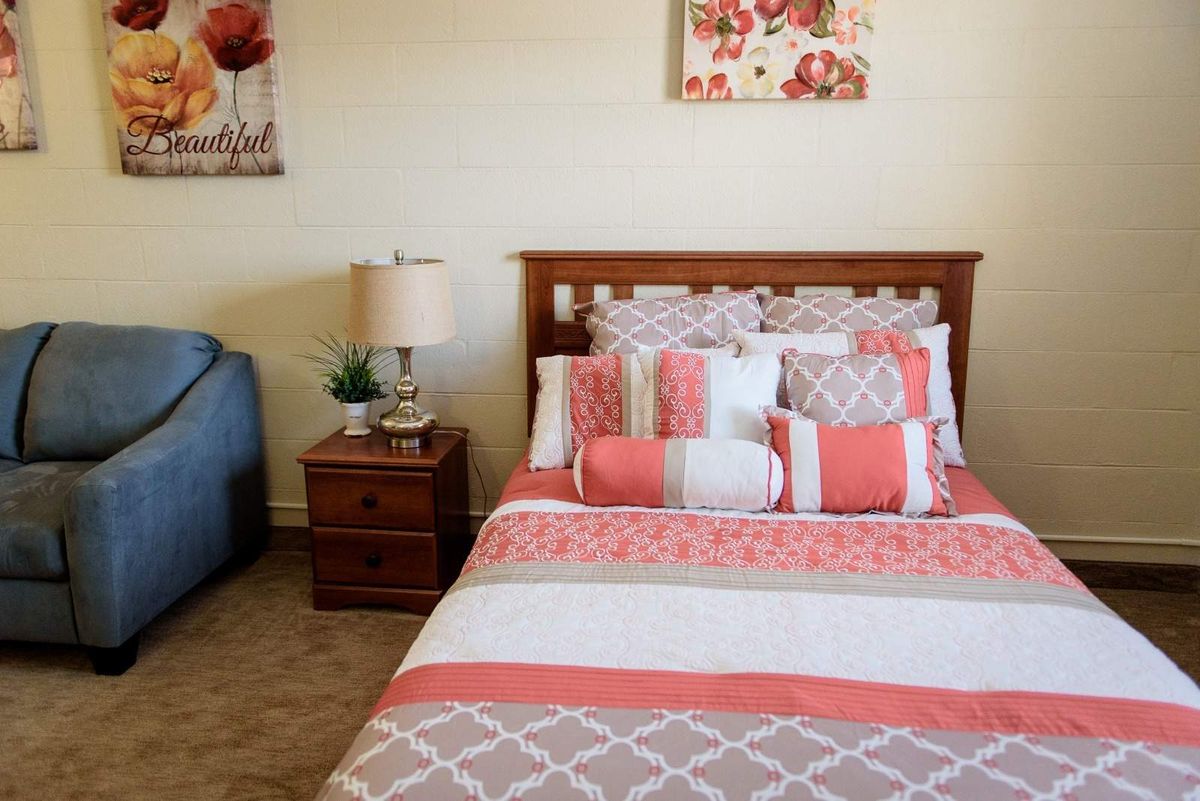
Reviewers repeatedly mention cleanliness and freshness, including rooms and common areas. Even amid different experiences, people describe the building as clean, inviting, or freshly smelling. A small number of reviews go the other way and describe unclean conditions, including odors and pests.
caveat2 reviews mention this
Supervision concerns in memory care
Some residents’ families report gaps in supervision for residents who are vulnerable.
At least two reviews specifically describe issues with staff checking on residents and keeping residents safe. One reviewer says nurses did not check during a long visit, and another describes poor supervision for a family member with dementia who was at risk of getting out. These concerns contrast with other reviews that describe attentive care and engagement.
How we summarize
Counts show how many written reviews mention each theme; a review can touch several themes, and only frequently mentioned themes are displayed.
Features
Housing
82 resident community capacity
Studio apartments
Types of Care
Assisted Living
Memory Care
Amenities
Air-conditioning
Beauty salon
Cable or satellite TV
Computer center
Dining room
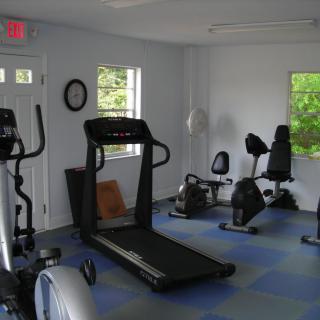
Fitness room
Fully furnished
Gaming room
Garden
Housekeeping services
Kitchenette
Move-in coordination
Outdoor space
Private bathrooms
Respite or short term stays offered
Restaurant-style dining
Small library
Telephone
Wellness center
Wi-Fi/high-speed internet available
Transportation
Community operated transportation
Transportation arrangement
Transportation arrangement (non-medical)
Transportation to doctors appointments
Care Services
12-16 hour nursing
24-hour call system
24-hour supervision
Activities of daily living assistance
Assistance with bathing
Assistance with dressing
Assistance with transfers
Diabetes diet
Meal preparation and service
Medication management
Mental wellness program
Mild cognitive impairment
Special dietary restrictions
Specialized memory care programming
Dining
Diabetes diet
Special dietary restrictions
Activities
Community-sponsored activities
Concierge services
Fitness programs
Planned day trips
Resident-run activities
Scheduled daily activities
Nearby Places of Interest
This particular area of Palatka, Florida offers a variety of amenities and services that may be appealing to seniors looking for a convenient and comfortable location to live. Within a short distance, there are several dining options ranging from fast food to sit-down restaurants, as well as cafes for socializing or enjoying a cup of coffee. There are also pharmacies nearby for easy access to medications and healthcare needs. In terms of medical facilities, there are physicians' offices and a dialysis center within close proximity. The area also offers recreational opportunities with parks and sports complexes nearby. Additionally, there are places of worship for spiritual support and community involvement. Overall, this part of Palatka provides a range of conveniences and services that could make daily living easier for seniors looking to settle in the area.
Restaurants
Larry's Giant Subs (0.2 miles)
KFC (0.3 miles)
Bamboo (0.4 miles)
Huddle House (0.5 miles)
Sumi Sushi Hibachi (0.5 miles)
Pizza Hut (0.5 miles)
C P Deli (0.5 miles)
Cafes
Lunchbox at SJRState (0.2 miles)
Palatka Coffee (0.5 miles)
The Magnolia Cafe Of Palatka (2.5 miles)
This & That Café (2.6 miles)
Sunrise Cafe (2.6 miles)
St John Cafe (2.6 miles)
Pharmacies
CVS Pharmacy (0.3 miles)
Walgreens (0.4 miles)
A-1 Pharmacy (0.5 miles)
Winn-Dixie (0.5 miles)
Mayhugh Drugs (0.9 miles)
A1 Pharmacy (1.9 miles)
Prescription Shop (2.4 miles)
Physicians
M Michael Akhiyat (0.4 miles)
Putnam Radiology Group (0.5 miles)
First Coast Obstetrics & Gynecology PA (0.5 miles)
Internal Medicine Family Practice (0.5 miles)
Tejeda Oyola Maricel Dr Va Palatka Community Based Outpatient Clinic Palatka (0.6 miles)
Putnam Eye Center (0.7 miles)
Paley Bruce Dr DO (0.9 miles)
Theaters
Fuse Zone Cinema (0.6 miles)
Palatka Cinema (0.6 miles)
Transportation
U-Haul Neighborhood Dealer (0.6 miles)
Columbia Putnam Community Hospital Heliport (0.9 miles)
Cilliers Aviation (1.2 miles)
Kay Larkin Airport (28J) (1.3 miles)
Enterprise Rent-A-Car (1.6 miles)
Craig Washington's Basketball Training (1.8 miles)
Amtrak Palatka Station (2.3 miles)
Places of Worship
Palatka Church of Christ (0.7 miles)
Southern Baptist Convention (0.7 miles)
First Baptist Chr Of Palatka (0.8 miles)
General Conference Of Seventh-Day Adventists (1 miles)
Vintage Care's comprehensive array of services is designed to meet the unique needs of residents with dementia or Alzheimer's disease, helping to enhance their quality of life. Assistance with dressing and bathing promotes personal dignity and comfort, while medication management ensures that residents receive their prescribed treatments accurately, minimizing the risk of complications. Meal preparation and service not only provide nutritious options tailored to individual dietary needs but also foster social interaction during mealtimes. Assistance with transfers supports mobility and safety, crucial for maintaining independence. The 24-hour supervision guarantees a safe environment where staff can respond promptly to emergencies or behavioral changes. Additionally, the mental wellness program addresses cognitive health through engaging activities designed for individuals at various stages of memory impairment. Finally, specialized memory care programming targets specific challenges associated with dementia, offering personalized strategies to enhance cognitive function and emotional well-being. Together, these features create a holistic approach that nurtures both physical and mental aspects of care for residents coping with memory loss.
Nearby Communities
Vintage Care of Palatka
Palatka, FL
4.3 from 43 reviews
$1,800 to $3,050 / month
Caring staff, tasty meals, and engaging activities in a clean, welcoming environment.
Kiva of Palatka
Palatka, FL
4.2 from 46 reviews
Attentive, caring staff in a clean, home-like setting with on-site homemade meals.
Solaris Healthcare Palatka
Palatka, FL
4.4 from 122 reviews
Clean, welcoming environment with attentive staff and engaging activities.
Arlington House Inc
Palatka, FL
4.1 from 28 reviews
Specialized diabetic care with on-site social activities in Palatka.
Putnam Memorial Nursing Home
Palatka, FL
Peaceful, comfortable environment with extensive nearby amenities (healthcare, dining, transportation, worship, and entertainment).
Crestwood Nursing Center
Palatka, FL
4.2 from 41 reviews
Restaurant-style dining and varied activities
Senior Living at the Greens
St. Augustine, FL
4.9 from 134 reviews
$4,100 to $6,300 / month
Beautiful, well-kept community with engaging activities and attentive staff.
Park of the Palms
Keystone Heights, FL
4.5 from 34 reviews
$850 to $6,425 / month
Caring, attentive staff in a warm, hotel-like community.
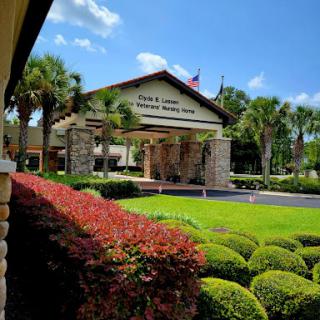
Clyde E Lassen State Veterans Nursing Home
Saint Augustine, FL
4.3 from 27 reviews
Strong care with attentive staff and engaging activities.
VA nursing homes, or Community Living Centers (CLCs), offer tailored long-term care for veterans, featuring medical attention and rehabilitation in a supportive environment. The guide covers facility types, eligibility criteria, financial assistance options, quality of care standards, and alternatives to full-time nursing home placement.
At-home dementia care expenses vary widely based on care levels, location, and caregiver expertise, with monthly costs for home health aides exceeding $4,500 and specialized care potentially surpassing $100,000 annually. While families favor in-home care for its comfort and personalized attention, they must consider financial planning and the challenges of caregiver fatigue.
The article discusses the late stages of dementia, detailing the progression from mild to severe impairment and highlighting key characteristics such as profound cognitive decline and dependency in daily activities. It emphasizes care strategies focused on comfort and dignity, the importance of advance directives, and the emotional support needed for family caregivers facing this challenging journey.
Get PricingAsk A QuestionSchedule A TourContact Senior Advisor
By clicking submit, you agree to our Partner's Terms of Use. You
also consent to receive calls and texts, which may be autodialed, from our Partner. Your consent is not a condition to
using our Partner's service. Please visit our Partner's Privacy Policy for information about their privacy practices.

 82 resident community capacity
 Studio apartments
 Assisted Living
 Memory Care
 Air-conditioning
 Beauty salon
 Cable or satellite TV
 Computer center
 Dining room
 Fitness room
 Fully furnished
 Gaming room
 Garden
 Housekeeping services
 Kitchenette
 Move-in coordination
 Outdoor space
 Private bathrooms
 Respite or short term stays offered
 Restaurant-style dining
 Small library
 Telephone
 Wellness center
 Wi-Fi/high-speed internet available
 Community operated transportation
 12-16 hour nursing
 24-hour call system
 Activities of daily living assistance
 Assistance with bathing
 Assistance with dressing
 Assistance with transfers
 Diabetes diet
 Medication management
 Mental wellness program
 Special dietary restrictions
 Concierge services
 Planned day trips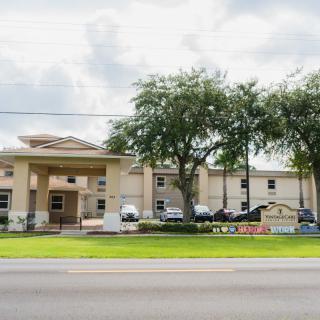
 Caring staff, tasty meals, and engaging activities in a clean, welcoming environment.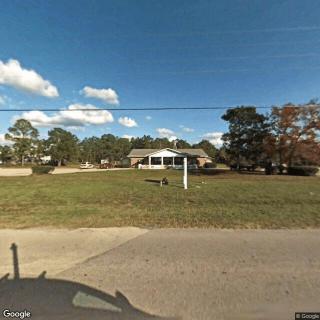

 Comprehensive Guide to VA Nursing Homes: A Crucial Long-Term Care Resource for Veterans
 Estimating the Expenses of At-Home Dementia Care: A Detailed Exploration
 Comprehensive Insights on the Late Stages of Dementia: What to Expect and How to Provide Care