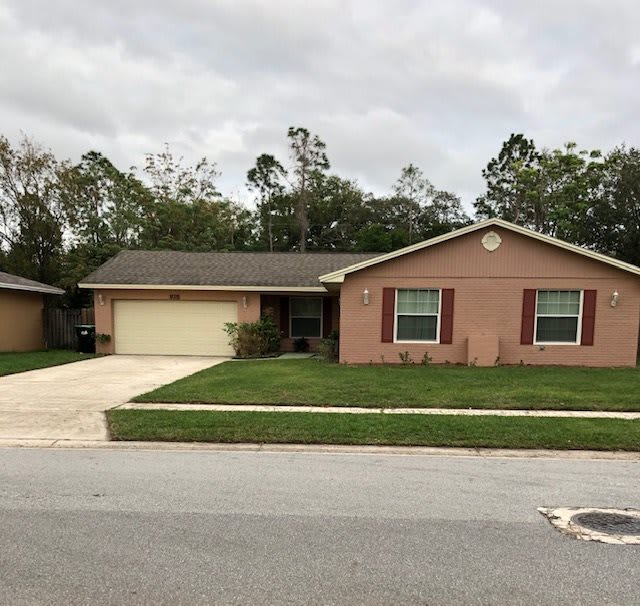
935 Lake Sherwood Dr, Orlando, FL 32818
To contact a resident: (321) 276-8403
For more information about senior living options: (866) 208-4318
True Valley Care, LLC Costs & Pricing
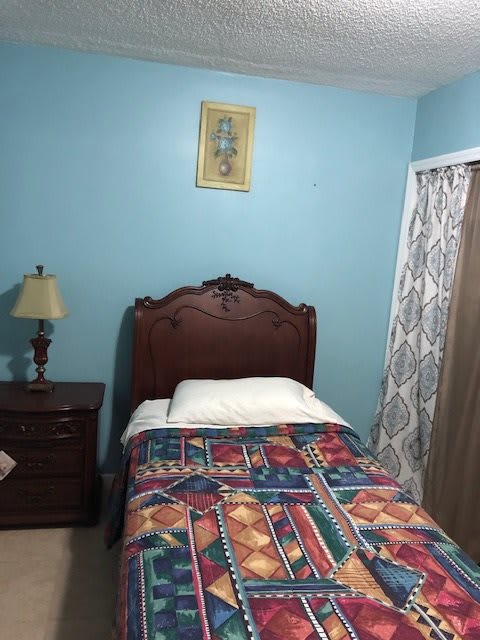
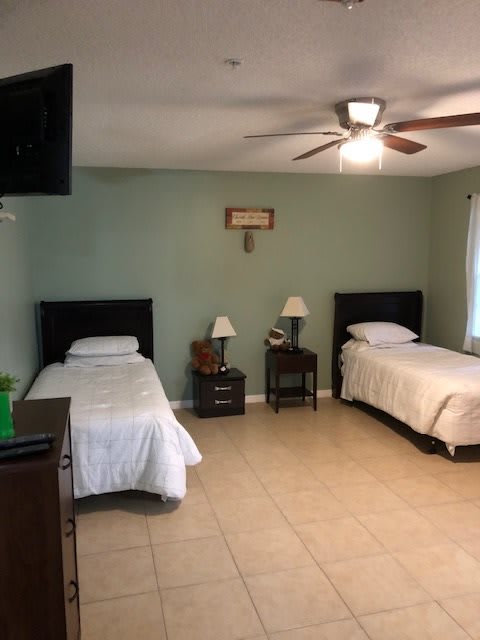
True Valley Care, LLC offers competitive pricing for its accommodations compared to both Orange County and the broader Florida region. For a semi-private room, True Valley Care charges $3,000 per month, which is slightly lower than the Orange County average of $3,041 and aligns closely with the state average of $3,009. When it comes to private rooms, True Valley Care's monthly fee is set at $3,500, which remains reasonable in comparison to the county's average of $3,441 and is more affordable than the statewide average of $3,699. This positioning not only reflects True Valley Care's commitment to providing quality care at accessible prices but also shows their understanding of the local market dynamics while still maintaining a high standard for resident comfort and well-being.
| Floor plans | True Valley Care, LLC | Orange County | Florida |
|---|---|---|---|
| Semi-Private | $3,000 | $3,041 | $3,009 |
| Private | $3,500 | $3,441 | $3,699 |
Senior living communities with a similar price nearby
-
from +$500 / mo

Windermere Assisted Living Facility
$3,500 to $4,500 / month8.3 miles away -
from -$400 / mo
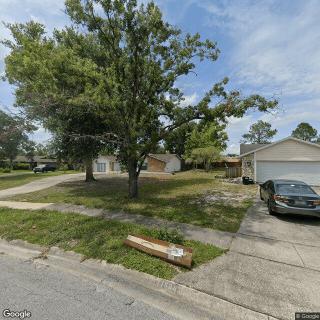
Faith House Of Winter Park
$2,600 to $3,100 / month14.2 miles away -
from +$295 / mo
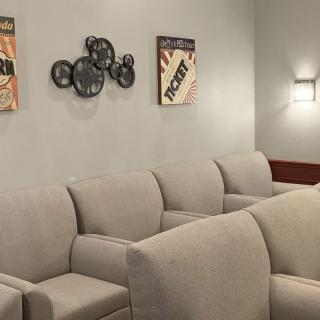
Marina Isle Assisted Living
$3,295 to $6,190 / month22.4 miles away -
from +$595 / mo

Cascade Heights
$3,595 to $4,395 / month12.1 miles away -
from -$300 / mo

Waterman Village
$2,700 to $6,600 / month20.6 miles away
Overall Review of True Valley Care, LLC
Pros
 The staff are great.
- The environment is very welcoming.
Cons
 It is not good and trust is compromised.
- There are a lot of problems with referrals and challenges, and it seems they only want payment.
Review
True Valley Care in Orlando is best suited for families that prize a warm, people-forward atmosphere and staff who are readily engaged with residents on a day-to-day basis. The community appears to thrive where caregivers are visible, accessible, and adept at creating a welcoming feel from the first visit. For seniors who want sociable, familiar faces on every shift and respond well to a gently assisted routine, this setting can feel like a comfortable home base. This is not the place for those who demand a rigorously transparent enrollment process, fixed pricing with no surprises, and a spotless, uniformly consistent governance track record across all referrals and admissions.
The strongest, recurring positive signal is the staff experience. Reviews repeatedly describe a great, inviting atmosphere and responsive caregivers who make residents feel seen and attended to. That warmth translates into real daily benefits: assistance when needed, companionship, and a sense of security that comes from knowing someone is paying attention to health cues, meals, and daily mood. In practice, that means fewer worries about isolation and more confidence that someone will intervene when a task or symptom requires attention. For families who measure care quality by interpersonal connection, the staff performance stands out as a meaningful asset.
However, the community’s openness comes with a troubling counterweight. One clear thread in the feedback is concern about referrals and the surrounding business dynamics, with suggestions that payment and enrollment considerations may drive decisions more than resident needs. A particularly direct critique accuses the operation of prioritizing referral flow and financial gain over trust, signaling potential friction between sales efforts and transparent service delivery. Such concerns matter because they touch the core of what families must trust to move a loved one into a long-term care setting: predictable terms, honest communication, and fair treatment in every step of the process.
Those cons do not wipe out the positives, but they do shape the risk calculus. The genuine warmth of the staff and the welcoming environment can offset loneliness, anxiety, and the rough edges of adjusting to assisted living. When daily life hinges on practical help with mobility, meals, medication reminders, and social activity, dependable caregivers can make a tangible difference in quality of life. The challenge is whether the administrative culture behind admissions and referrals creates friction or undermines confidence in ongoing financial arrangements. For families who can tolerate some ambiguity in the entry process while prioritizing humane care on the floor, the upside remains compelling.
For decision-making, approach True Valley Care with clear, pre-defined expectations. Demand written details on all fees, what is included in the base rate, and any referral-related charges or incentives. Ask for a current resident contact list and arrange conversations with both longtime residents and family members to gauge consistency of care and transparency over time. Scrutinize the contract language for cancellation terms, rate increases, and what happens if care needs escalate. Visit the campus multiple times at different hours, observe the rhythm of caregiving, and verify licensure and state compliance records. In short, perform due diligence that separates the warmth of the environment from the practical certainty demanded by long-term residency.
Overall, True Valley Care offers real strengths in staff engagement and resident friendliness that can deliver meaningful day-to-day quality of life improvements. It serves best those who place a premium on human connection and reliable, attentive care and who can tolerate, or actively probe, areas where trust and transparency may be challenged by referral dynamics. Families evaluating options should consider alternatives if a fully transparent enrollment experience and consistently clear pricing are non-negotiable. For caregivers who can navigate the admission landscape with discernment and insist on accountability, this community is worth a serious look, but only after thorough verification of terms and expectations.
 Board and Care Home
 Activities on-site
 Air-conditioning
 Bath tubs
 Cable or satellite TV
 Devotional services off-site
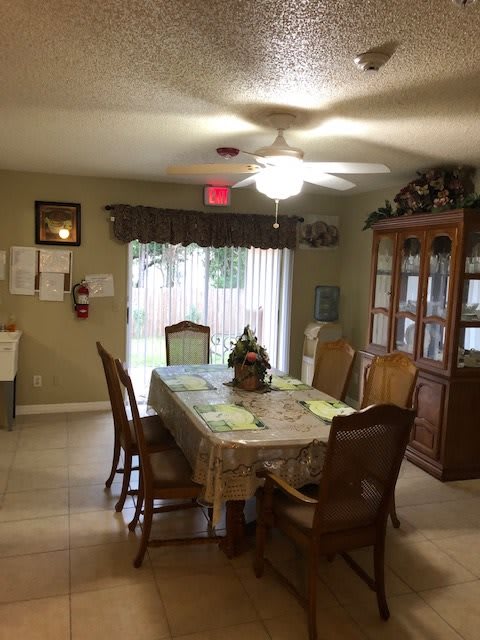
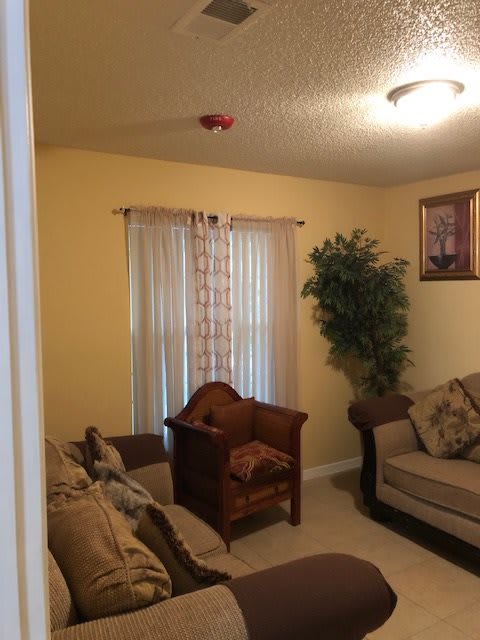
 Indoor common areas
 Outdoor common areas
 Private
 Private bathrooms
 Respite or short term stays offered
 Wheelchair accessible showers
 Wi-Fi/high-speed internet available
 Orlando International (14 miles away)
 Ambulatory care
 Diabetic care
 High acuity care
 Incontinence care
 Medication management
 Low / no sodium
 BBQs or picnics
 Birthday parties
 Day trips and outings
 Educational speakers / life long learning
 Gardening club
 Live musical performances
 Live well programs
 Protestant services


 Senior Move Management: Understanding the Role, Value, and Associated Costs
 Weight Training for Seniors: Building Strength and Vitality
 Understanding the Sandwich Generation: Stress and Responsibilities for Multigenerational Caregivers