
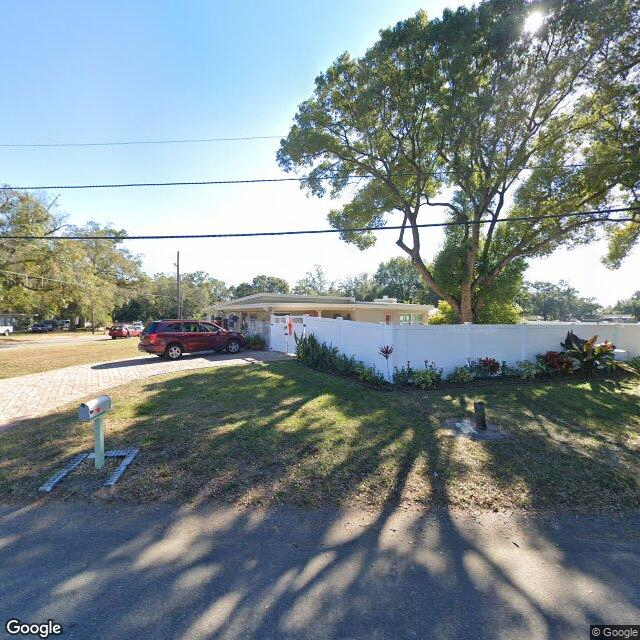
559 Hewett Dr, Orlando, FL 32807
To contact a resident: (407) 792-9330
For more information about senior living options: (866) 208-4318
Overall Review of Serenity Villa ALF
Pros
 The mother-in-law was cared for as if she were family for over five years.
- The Latin environment was a major factor in the placement and did not disappoint.
- Residents were kept together as a family with daily bathing provided.
- Astrid, the owner, consistently goes above and beyond in helpfulness and communication.
- The care given was warm and personal for eight years.
- Astrid cares for the patients as if they were her own family.
- The facility comes highly recommended.
Review
Serenity Villa ALF in Orlando is best suited for seniors who want a warm, home-like setting with deeply personal, hands-on care and a clearly engaged owner guiding daily life. The community cultivates a family-style atmosphere and a Latin cultural vibe that feels authentic and comforting for residents who value continuity, familiar routines, and visible affection from caregivers. It works especially well for older adults who prosper in intimate settings where relationships are built over years, not months, and where care feels more like caregiving within a tight-knit household than a clinical program. For families seeking an environment where a loved one can stay integrated with a small, supportive community rather than in a large, impersonal campus, Serenity Villa hits the mark.
Those who should consider alternatives are those who anticipate needing high-level medical management, dementia-specific programming, or highly structured activities that scale beyond a small, intimate setting. If a resident requires formal clinical oversight, frequent physician coordination, or a wide array of on-site therapies and amenities, a more medicalized or larger assisted-living community may be preferable. Prospective residents who prioritize privacy, discreet independence, or a non-Latin cultural environment may also find other options that align more closely with their preferences and care plans. In short, this is a fit for home-like intimacy and personal attention, not for institutions designed around rapid escalation of medical needs.
The strongest advantages here are the palpable, individualized attention and the sense that care recipients are regarded as family. The owner, Astrid, is consistently described as deeply involved, communicative, and willing to go above and beyond to support families and residents. Daily routines, such as assistance with bathing, are performed with a level of diligence and warmth that reinforces trust and security. The atmosphere reinforces belonging: residents are described as “together as a family,” and the small scale allows for long-tenured personnel to know preferences and histories, which translates into more nuanced and attentive day-to-day care. This combination of proximity, warmth, and continuity is hard to replicate in larger facilities.
These strengths offset potential trade-offs inherent in a smaller operation. The same intimate model that drives trust and personalized attention also means care efficiency and responsiveness hinge more on a single point of leadership and a smaller staff pool than on sprawling resources. For families prioritizing everyday comfort, predictable routines, and steady communication, the positives far outweigh the downsides. The consistent presence of Astrid and a tight-knit team tends to translate into fewer surprises, clearer accountability, and easier collaboration with family members who want to stay closely involved in daily care decisions. Yet, for those whose loved one’s needs are evolving rapidly or who require extensive medical coordination, the limited depth of on-site resources may become a limiting factor.
For decision-making, practical steps are essential. Prospective families should request a current care plan that outlines daily schedules, staff-to-resident ratios, and how changes in health status are addressed. It’s wise to observe a daily routine to gauge how mobility, bathing, meals, and social interactions are managed, and to meet Astrid in person to assess whether communication feels transparent and accessible. Verify language preferences and assess whether the Latin-cultural elements align with the resident’s personal background and comfort level. Finally, ask about dementia care options, emergency procedures, and the process for incorporating outside medical providers to ensure alignment with anticipated care needs.
The bottom line: Serenity Villa ALF is a strong choice for families seeking a warm, familial, culturally resonant setting with steady leadership and long-standing caregiver relationships. It excels where intimate, personalized care and emotional connection are paramount, and where a resident can thrive in a small, cohesive community. It is less suited for those requiring advanced medical management, comprehensive clinical programming, or a highly private, impersonal environment. For families prepared to lean into a home-like, owner-led model, a visit to meet Astrid and observe the daily flow will often confirm that this is the right kind of place to age in place with dignity and genuine warmth.
 Board and Care Home
 Orlando International (8 miles away)



 Highly Beneficial Low-Impact Exercises for Senior Living Residents
 Is In-Home Healthcare Tax Deductible? Your Comprehensive Guide
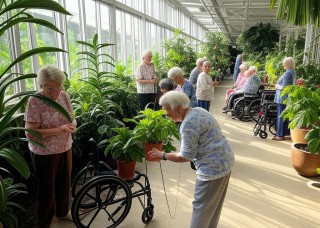 Nurturing Well-Being Through Gardening: A Detailed Guide for Senior Enthusiasts