

5040 NW 197 Street, Miami, FL 33055
To contact a resident: (305) 621-4213
For more information about senior living options: (866) 208-4318
Overall Review of Peace Home Care
Pros
 The facility starts out real nice.
- The mother recovered and went on to live for many more years.
- The review describes a hopeful outcome despite later challenges.
Cons
 The reviewer notes that the facility starts out nice but then the loved one who entered walking and speaking becomes bedridden and drugged up, sleeping most of the day.
- The reviewer claims a bed sore was hidden from the hospital, and that the mother was malnourished and in dire condition.
- The reviewer states that staff tried to persuade them to place the mother in hospice, which they viewed unfavorably.
- The reviewer warns others not to take a loved one to this facility.
Review
Best suited for: Peace Home Care in Miami appears most appropriate for seniors who are largely independent and require only light daily assistance, with families prepared to provide vigilant, ongoing oversight. For residents who need consistent medical management, regular wound care, nutrition monitoring, or mobility support, this community poses significant safety risks. First impressions may be inviting, but the true measure lies in daily care, transparency, and the ability to escalate concerns promptly. Families should approach with the understanding that the initial warmth can mask a troubling reality about ongoing safety and accountability.
Those who should consider alternatives include families with residents who have chronic medical needs, recent hospital discharges, or a history of malnutrition or pressure ulcers. Seek facilities with transparent medical oversight, clear, documented care plans, and strong, visible nurse presence. Look for explicit details on staff-to-resident ratios, timely wound care, and nutrition monitoring. Request candid conversations with the director of nursing and tour at different hours to gauge actual practice rather than surface impressions. If a loved one’s care plan requires consistent, proactive intervention, this option should not be the default choice.
Pros at first glance tend to be fleeting. The setting can feel welcoming, and staff may come across as courteous during initial visits. For families seeking a smooth transition and a low-stress move, the superficial friendliness can be mistaken for reliable support. That warmth often dissolves when real caregiving needs surface, and questions about day-to-day supervision, timely medical response, and truthful reporting become unavoidable. The absence of obvious red flags on a single tour does not equal a safe, competent care environment over time.
Cons are decisive and deeply concerning. The account of a resident who entered walking and speaking and later became bedridden and heavily medicated points to a breakdown in ongoing medical oversight. A serious bed sore was allegedly concealed from family until hospital evaluation, where malnutrition and deterioration were confirmed. The claim that a hospital visit was required to address the wound signals a failure to provide timely, transparent care. The suggestion of hospice care for a patient who subsequently recovered after removal casts serious doubt on the consistency and integrity of medical decisions. Taken together, these patterns indicate a facility where safety and accountability are insufficient.
How the apparent positives stack up against these critical failings shows little to no meaningful offset. The initial warmth and organized presentation cannot compensate for a lack of reliable daily nursing, transparent reporting, and sustained wound and nutrition management. When safety risks escalate to hospital-level concerns and family trust has already been breached, the front-end charm becomes irrelevant. The core criterion for any senior living option is predictable, accountable care; in this case, those expectations are not met. The risk-reward balance tips firmly toward concern, making it a poor choice for anyone unable to exercise vigilant oversight.
Bottom line: Peace Home Care should be ruled out for residents requiring ongoing medical attention, regular wound care, or consistent nutrition management, and for families unable to implement rigorous, day-to-day oversight. If a visit is pursued as a potential option, insist on a detailed, written care plan, daily nursing rounds, visible documentation of weight and wound progression, and an immediate escalation protocol for concerns. Safer, more reliable options exist with established safety records, transparent reporting, and third-party validation of care quality. For families facing difficult decisions, prioritizing safety and accountability over convenience is the prudent path, with alternatives clearly preferred unless impeccable oversight and proven care continuity are demonstrated.
 Board and Care Home
 Fort Lauderdale-Hollywood International (9 miles away)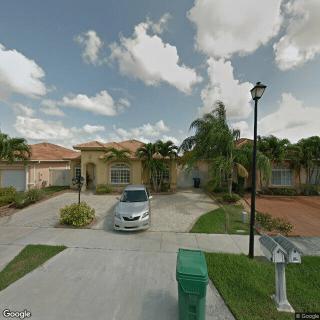






 Understanding Home Health Care: A Comprehensive Guide
 Home Health Care Demystified: A Comprehensive Guide for Families and Caregivers
 Seniors and Modern Transportation: Exploring Uber, Lyft, and Other Ride-Hailing Options