
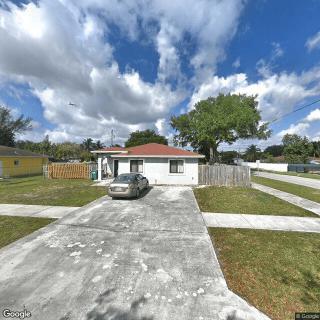
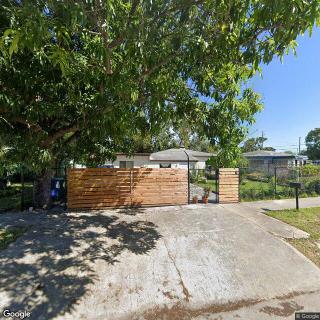
540 N Perviz Ave, Opa Locka, FL 33054
To contact a resident: (305) 681-3888
For more information about senior living options: (866) 208-4318
Overall Review of Nuevo Renacer ALF
Pros
 The owners and the employees love the patients as if they were family.
- This love is real, not fake.
- It is the best ALF in Dade County.
Review
Nuevo Renacer ALF in Opa Locka is best suited for seniors who want a small, homey setting where care feels personal and relational. The standout strength is the staff’s genuine affection for residents, owners and employees alike treat each person as family, delivering care that comes across as heartfelt and sincere. For families prioritizing warmth, direct caregiver contact, and a familiar, low-drama environment over large-scale programming, this community presents a compelling option. A single reviewer frames it as the best ALF in Dade County, signaling a palpable sense of trust and satisfaction around daily interactions and the emotional climate. Those seeking a place where routine and personal attention trump bells-and-whistles features will likely find Nuevo Renacer a good fit.
Those who may want to consider alternatives are residents with higher medical acuity or those who require more structured programming and security features. If 24/7 nursing oversight, complex wound care, memory-care-specific security, or a robust activity calendar with regular transportation to appointments are non-negotiables, this setting may feel lacking. For families contemplating long-term needs that evolve into intensive clinical management, or individuals who prefer a larger campus with more formal clinical services and a wider array of specialized programs, exploring higher-capacity options will be prudent.
The core pros, most notably the authentic warmth and familial devotion, are the most persuasive counterweight to potential drawbacks. When the care team treats residents as if they were their own relatives, families experience clearer communication, more responsive daily support, and less anxiety about small daily challenges. This level of emotional engagement can translate into steadier routines, better adherence to care plans, and a sense of security that many families value over availability of on-site specialists. In a market where staffing difficulties often erode quality, the demonstrated commitment of the team to the residents’ well-being is a meaningful, differentiating advantage that can mitigate concerns about less formal programming.
Yet the review landscape is sparse, leaving several meaningful questions unanswered. There is no detailed information about staffing ratios, nursing availability, or the capacity to handle acute medical needs. Potential residents should scrutinize what medical oversight looks like on a day-to-day basis, what therapies or rehabilitative services are offered, and how often residents can access transportation for appointments or social outings. Cost structure, meal quality, housekeeping standards, and safety features (such as fall-prevention measures and emergency response) also remain unarticulated. Without those specifics, the strongest pro, deep personal care, risks being outweighed by unknowns for families balancing medical needs with independence goals.
To make a well-informed decision, prospective families should arrange in-depth tours and candid conversations around core operational details. Ask about caregiver-to-resident ratios during day and night shifts, the presence of licensed professionals on-site, and the cadence of care plan reviews with family members. Inquire about daily activity options, meal variety, menu accommodations, and how residents’ preferences are incorporated into routines. Seek transparent pricing, including what is included in base costs versus add-ons, and understand how billing changes as care needs evolve. Observing staff interactions during a visit, how caregivers speak to residents and how residents respond, will reveal whether the praised warmth translates into consistent, practical daily support.
In the end, Nuevo Renacer ALF presents a persuasive option for families prioritizing a tightly knit, emotionally supportive atmosphere. The human-centered culture is the strongest argument in its favor, offering a degree of intimacy and attentiveness that larger facilities often strive to deliver. For a resident who thrives on daily familial warmth and personal connections, and for families who want clear, compassionate daily engagement over formalized programs, this community stands out as a strong contender. Conversely, families prioritizing robust clinical oversight, specialized memory-care features, or expansive programming should evaluate alternatives that explicitly publish those capabilities. The right choice hinges on aligning what matters most, heartfelt daily care and closeness or advanced medical support and scale, with the resident’s evolving needs.
 Board and Care Home
 Miami International (8 miles away)

 Essential Knowledge on Pneumonia in Older Adults
 Exploring Palliative Care in the Home: A Comprehensive Overview
 Comprehensive Insights into Palliative Home Care: What It Is and What to Expect