
203 South East 2Nd Street, Okeechobee, FL 34974
For more information about senior living options: (866) 208-4318
Overall Review of Grand Oaks
Pros
 The facility is described as nice and very clean.
- There is an upward trend in resident care and staff involvement at Grand Oaks.
- The friend absolutely loves Grand Oaks, with safety and happiness as the priority.
- Everything about the Oaks is positive.
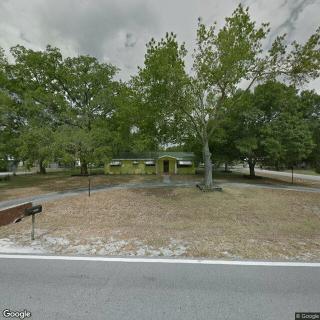
- The physical facility is excellent, well maintained, and very clean.
- The staff is great—competent, friendly, courteous, and always ready to help residents.
- The dining experience is first rate, with prompt service, very good food, and outstanding variety and preparation.
Cons
 The facility advertises a nurse 24/7, but there is no nurse on duty.
- Activities are planned, but no one shows up to lead them.
- The front desk is unmanned most of the time.
- The person administering medications has not yet graduated from high school.
- The food is frequently not hot, and the vegetables are cold and overcooked.
Review
Grand Oaks in Okeechobee is best suited for families seeking a clean, well-maintained environment with engaged staff and strong dining, where resident happiness and safety are actively prioritized. It works for seniors who value a personable, approachable atmosphere and are comfortable stepping in to ensure medical oversight when needed. Those who cannot tolerate gaps in nursing coverage, inconsistent programming, or variability in staffing reliability should consider alternatives. The community rewards caregivers and families who want a place that appears to listen and respond to concerns, but it is not a fit for households needing ironclad 24/7 medical presence or perfectly predictable activity schedules.
The strongest, most persuasive positives center on character and consistency. The facility’s physical milieu is consistently clean and well kept, which sets a solid baseline for daily life. Staff behavior stands out as a genuine strength: providers described as competent, friendly, courteous, and dedicated to making residents comfortable. Residents appear to feel valued and safe, with accounts of noticeable improvements in care and involvement after concerns were raised. Dining emerges as a genuine highlight, service is prompt, the menu is varied, and the desserts receive enthusiastic praise. Taken together, these elements create an environment where comfort, dignity, and social enjoyment can flourish.
But several important caveats temper the appeal. A recurring concern is the misalignment between advertised and actual medical coverage: a claim of around-the-clock nursing support clashes with reports that such coverage is not always present. Related worries include front-desk coverage that is not consistently reliable, and plans for activities that sometimes fail to materialize because staff are not consistently on hand to run them. Even more troubling, one review notes that the person responsible for administering medications has not yet graduated high school, which raises legitimate questions about training, oversight, and accountability. These issues do not negate the positives, yet they do create clear fault lines in safety and routine reliability that families must evaluate against individual care needs.
When weighing how the positives offset the negatives, the balance leans toward cautious optimism, but not complacency. The clean, well-maintained setting and the responsive, capable staff provide a strong foundation for daily life, while the dining quality adds real quality of life for residents. The evidenced corporate engagement with complaints suggests a culture of accountability and a willingness to implement improvements, which can translate into meaningful progress over time. However, the gaps in medical oversight and in regularly scheduled activities can undermine stability for residents who require predictable routines or more intensive care. The positives offset some risk, but they do not eliminate it; the net value rests on whether the center can translate observed improvements into consistent, dependable practice.
Prospective families should approach with a practical checklist and a clear line of inquiry. Confirm who is on duty 24/7 and the exact qualifications of those administering medications. Seek a concrete, current staffing matrix that shows nursing availability by shift, and request examples of recent changes implemented in response to family concerns. Verify the activity calendar and ask to observe a scheduled program during a time when engagement matters most to the prospective resident. Tour at various hours to gauge front-desk coverage and overall responsiveness. Taste and temperature of meals on different days, along with the frequency of hot serving and vegetable preparation, can illuminate how dining quality translates into day-to-day experience. Collect candid feedback from current residents about safety, perceived care, and social opportunity before deciding.
Bottom line: Grand Oaks is a solid option for families prioritizing a clean, hospitable environment with capable, friendly staff and high-quality dining. The community clearly delivers on comfort, safety, and overall resident happiness, and management appears to respond to concerns with improving care. Yet the decision hinges on comfort with variable medical oversight and the reliability of activities and frontline coverage. If 24/7 nursing presence, consistently staffed programming, and highly credentialed medication administration are non-negotiables, alternative communities should be explored. For families willing to monitor and engage with the administration to ensure continuity, Grand Oaks offers a welcoming base with real strengths that can support a comfortable, valued senior living experience.
 37 resident community capacity
 Assisted Living
 Respite Care
 Beauty salon
 Cable or satellite TV
 Dining room
 Fully furnished
 Garden
 Housekeeping services
 Kitchenette
 Move-in coordination
 Outdoor space
 Restaurant-style dining
 Small library
 Telephone
 Wi-Fi/high-speed internet available
 24-hour call system
 Activities of daily living assistance
 Assistance with bathing
 Assistance with dressing
 Assistance with transfers
 Diabetes diet
 Medication management
 Mental wellness program
 Special dietary restrictions







 A Detailed Exploration of Assisted Living Medicaid Waivers Across the United States
 Comprehensive Residential Support and Assisted Living Solutions for Individuals with Disabilities
 Comprehensive Supportive Living Arrangements for Adults with Disabilities