
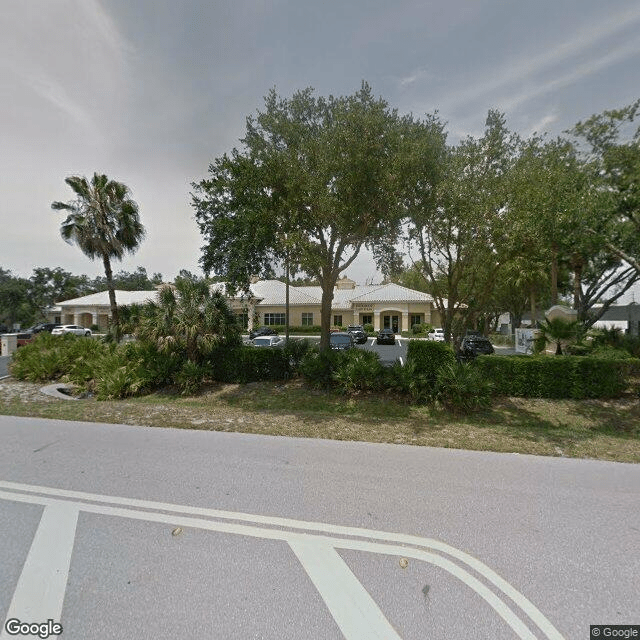
809 Walkerbilt Rd Suite 5-501, Naples, FL 34110
To contact a resident: (239) 920-3902
For more information about senior living options: (866) 208-4318
Collier Home Care - Naples, FL Costs & Pricing
Collier Home Care in Naples, FL, offers competitive pricing for its services compared to the broader market in Lee County and the state of Florida. For semi-private accommodations, Collier Home Care charges $2,000 per month, significantly lower than the average rates of $3,538 in Lee County and $3,009 across the state. This cost advantage continues with private room options priced at $3,500 per month, which remains more affordable than both Lee County's average of $4,293 and Florida's average of $3,699. These pricing structures reflect Collier Home Care's commitment to providing accessible home care solutions while maintaining a high standard of service for its residents.
| Floor plans | Collier Home Care - Naples, FL | Lee County | Florida |
|---|---|---|---|
| Semi-Private | $2,000 | $3,538 | $3,009 |
| Private | $3,500 | $4,293 | $3,699 |
Senior living communities with a similar price nearby
-
from +$285 / mo

The Glenview At Pelican Bay
$2,285 to $2,844 / month6.2 miles away -
from +$300 / mo
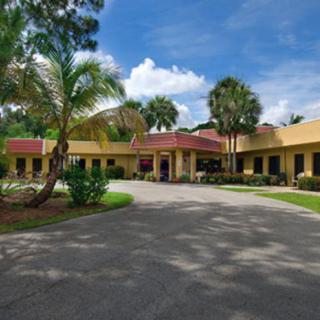
Noble Senior Living at Fort Myers
$2,300 to $3,800 / month18.7 miles away -
from -$150 / mo
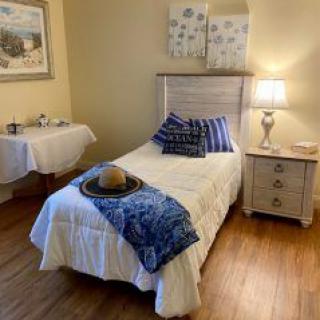
Springwood Court
$1,850 to $3,050 / month18.0 miles away -
from -$300 / mo
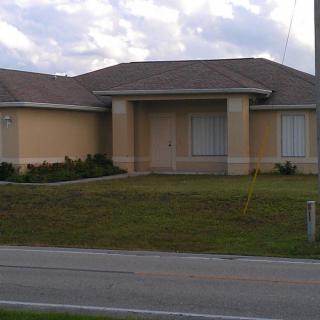
M&L Adult Family Care Home
$1,700 to $2,200 / month21.4 miles away -
from +$250 / mo
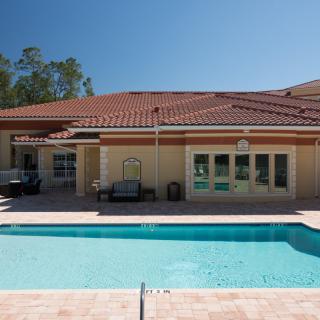
Sandalwood Village
$2,250 to $2,929 / month5.0 miles away
Overall Review of Collier Home Care - Naples, FL
Pros
 Collier Home Care is one of the best agencies you can find; the staff are appreciative and go the extra mile.
 - They are the best agency to care for a family member at home; they are wonderful.
- Collier Home Care provides excellent services for families and is a great company to work for.
- The team at Collier Home Care is professional, supportive, and always respectful; employees feel valued.
- Collier Home Care is a wonderful company where patients, office staff, and caregivers are exceptional in their tasks.
- The business is run by great people; Mike Fallon and his team are excellent.
Review
Collier Home Care in Naples, FL is best suited for families seeking consistently compassionate, high-quality in-home care delivered by a stable, professional team, with a clear footprint of empathy and reliability. The community’s strength lies in keeping a loved one in familiar surroundings while receiving attentive, personalized support. With a 4.9 average from 16 reviews, the message is consistent: families value dependable caregivers who show up, stay engaged, and treat clients with genuine respect. This model is particularly effective for seniors who thrive on routine, prefer a home environment, and rely on steady, human-centered assistance rather than a communal living setting.
Those considering alternatives should note that this model may not fit every scenario. If a loved one requires round-the-clock medical supervision or a highly structured, multi-room facility with on-site nurses and frequent clinical oversight, a traditional assisted living or skilled nursing facility might be more appropriate. Similarly, if the priority is a built-in social program with extensive on-site activities and group engagement, a campus setting could offer a richer daily schedule. Budgetary considerations and the need for advanced medical equipment at all times are also factors that could tilt the decision toward facility-based care or other senior services.
The strongest positives, empathetic caregivers, professional conduct, and a team-driven approach, create a powerful counterbalance to the potential drawbacks of in-home care. Staff are described as dedicated, going the extra mile, and maintaining a respectful, supportive atmosphere for clients and their families. The leadership culture is frequently cited as a source of stability, with accounts of management that values employees and clients alike, which translates into reliable care continuity and responsive problem-solving. The collective experience of the workforce, including long-tenured caregivers, reduces the risk of abrupt turnover and helps sustain consistent day-to-day routines for clients.
Even so, the at-home model entails certain trade-offs that families should acknowledge. There is no guarantee of 24/7 on-site medical oversight, which is often available in a facility setting. Continuity of care, while strengthened by a loyal, well-led team, still hinges on caregiving schedules and the possibility of caregiver substitutions on holidays or illness. Yet the reviews consistently underscore how a strong, people-first culture mitigates these concerns: families report high satisfaction with how staff coordinate care, communicate with families, and maintain a transparent, collaborative approach to care planning. In short, the offset comes from a combination of dependable, empathetic personnel and proactive leadership that keeps families informed and involved.
For decision-making in Naples, this agency stands out for families prioritizing a home-based, relationship-focused care model. To make a well-informed choice, seek clarity on caregiver matching, how assignments are made, how many caregivers will be in rotation, and how continuity is preserved during staff absences. Ask about shift coverage, escalation protocols for medical changes, and the availability of respite care to give family caregivers a break. Inquire about coordination with clinical providers, the process for updating care plans, and the ease of accessing management when urgent questions arise. References and a transparent overview of typical weekly schedules will illuminate how the team translates values into real-world routines.
The bottom line is practical and decisive: Collier Home Care is a standout option for families who want confident, compassionate in-home support that respects the dignity of the person receiving care. It is especially compelling for those who prize a home environment, strong caregiver relationships, and a leadership-driven operation known for teamwork and reliability. If the priorities include 24/7 institutional oversight or a bustling community calendar, alternatives warrant exploration. For families ready to tailor an at-home care plan around a loved one’s day-to-day life, Collier Home Care offers a proven, people-centric approach that lives up to its strong reputation and solid word-of-mouth endorsements.
 Southwest Florida International (16 miles away)



 Urinary Tract Infections in Older Adults: Comprehensive Insights on Symptoms, Treatment, and Prevention
 California's Form 602A: An In-Depth Examination of Senior Care Assessment
 Comprehensive Look at Senior Blood Pressure Charts: Normal and Elevated Levels by Age