
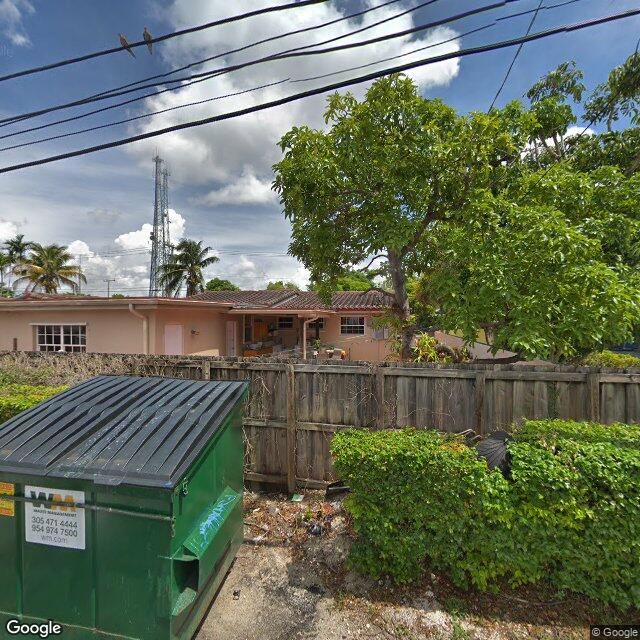
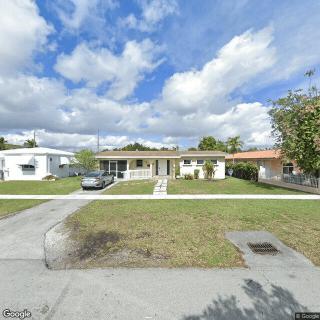
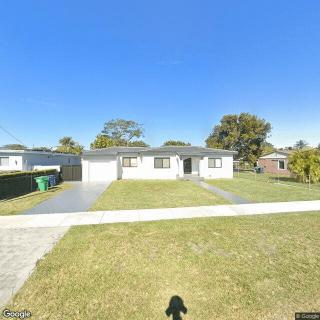
6890 South West 39Th Ter, Miami, FL 33155
For more information about senior living options: (866) 208-4318
Victoria's Dedicated Retirement Home Costs & Pricing
Victoria's Dedicated Retirement Home offers competitive pricing for its residents, with monthly costs significantly lower than both the county and state averages. For a semi-private room, the home charges $1,200, substantially less than the Miami-Dade County average of $2,250 and far below Florida's state average of $3,009. Similarly, for a private room at $1,800, residents enjoy a more affordable option compared to Miami-Dade's average of $3,304 and the state's average of $3,699. These costs reflect Victoria's commitment to providing quality care in an accessible setting, making it an attractive choice for those seeking retirement living in a supportive environment.
| Floor plans | Victoria's Dedicated Retirement Home | Miami-Dade County | Florida |
|---|---|---|---|
| Semi-Private | $1,200 | $2,250 | $3,009 |
| Private | $1,800 | $3,304 | $3,699 |
Assisted Living communities with a similar price nearby
-
from +$200 / mo
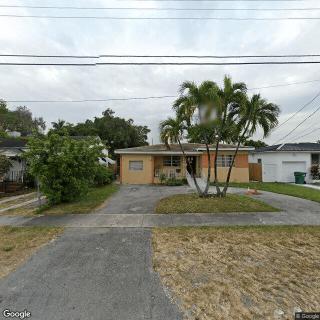
Gonzalez & Sons Home Care
$1,400 to $2,500 / month3.4 miles away -
from +$200 / mo

Nova Palms ALF
$1,400 to $2,400 / month22.7 miles away -
from +$100 / mo

Eastside Active Living
$1,300 to $1,950 / month22.7 miles away -
About the same
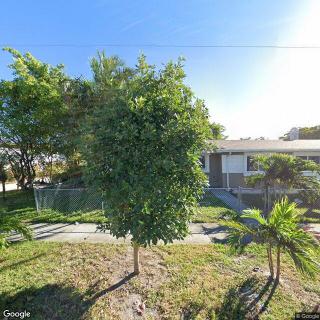
Sheridan Manor
$1,200 to $2,000 / month22.9 miles away -
from +$200 / mo

Midtown Manor
$1,400 to $2,900 / month21.7 miles away
Overall Review of Victoria's Dedicated Retirement Home
Pros
 The staff were always willing to help any time.
- The facility is well taken care of and clean.
- The employees are very friendly and helpful.
- The mother-in-law is happy and enjoys the home-cooked meals.
- The reviewer would highly recommend the home for someone needing care.
Cons
 The reviewer’s wife got sick at the retirement home, and they had to remove her from the facility.
Review
Victoria's Dedicated Retirement Home in Miami is best suited for seniors who want a clean, home-like setting with attentive, accessible staff and reliable daily support, without requiring intensive medical oversight. The community earns a strong 4.7 rating from just three reviews, signaling solid satisfaction in a small but meaningful sample. For families prioritizing a warm atmosphere, straightforward routines, and dependable meals, this option represents a practical, no-nonsense fit. The environment appears intimate enough to foster personal attention while maintaining a sense of everyday normalcy, which matters when easing a loved one into regular care.
The standout strengths are consistently practical: well-kept facilities, friendly, helpful employees, and home-cooked meals that resonate with residents who are particular about taste and comfort. One reviewer notes the staff’s readiness to assist at any time, underscoring dependable day-to-day support. The other accounts emphasize the quality of the meals and the satisfaction of a picky eater, suggesting the dining experience doubles as a meaningful daily pleasure rather than a mere routine. Taken together, these factors translate into smoother adjustment, fewer friction points, and a climate where residents can feel at ease.
There is a notable caveat embedded in the record: a spouse fell ill during a stay, necessitating removal. While this single incident should not be read as a blanket indictment of safety or quality, it does raise a practical question for families with residents who have unstable or complex medical needs. Prospective movers should inquire explicitly about on-site medical oversight, nursing availability, and the facility’s protocols for health downturns, transfers to hospitals, and care planning. The takeaway is clear: the environment rewards stability and routine, but medical contingency planning must be verified before committing.
Overall, the strong pros, cleanliness, approachable staff, reliable meals, and a homey atmosphere, offset many concerns for typical assisted-living residents who require daily assistance but not constant clinical intervention. The trade-off is a facility that appears well-suited to ordinary aging-in-place needs, where daily life flows smoothly and social meals bolster quality of life. For residents with higher medical complexity, memory-care requirements, or 24/7 nursing demands, however, the absence of explicit evidence of specialized programs suggests exploring alternatives that offer deeper clinical support.
For families evaluating Victoria's, practical due diligence will pay dividends. A thorough on-site tour is essential to confirm cleanliness and safety standards in real time, while sampling menus and observing dining service can verify consistency with reported home-cooked quality. Inquire about staffing ratios across shifts, the immediacy of caregiver response, and the exact scope of medical services, nursing presence, medication management, physician access, and any partnerships with local hospitals. Request recent references beyond the published reviews and consider a brief trial stay to observe daily rhythms, social engagement, and staff-resident chemistry before making a longer commitment.
The decision comes into sharp relief: a warm, well-kept, service-oriented setting with appealing meals and a responsive staff makes Victoria's a compelling match for seniors who are reasonably stable and crave a homelike routine. It represents a practical choice for families seeking predictable daily life, minimal friction, and visible care in a less clinical frame. For those with significant medical needs, memory-care requirements, or the expectation of robust, on-site clinical programming, alternatives with clearer specialized capabilities deserve serious consideration. Given the small pool of reviews, supplement this assessment with direct visits, more reference checks, and candid conversations about medical oversight to ensure the choice aligns with health realities, personal preferences, and family expectations.
 6 resident community capacity
 Assisted Living
 Board and Care Home
 Activities off-site
 Beautician on-site
 Cable or satellite TV
 Devotional services off-site
 Dining room
 Fully furnished
 Garden
 Housekeeping services
 Move-in coordination
 Outdoor space
 Private
 Respite or short term stays offered
 Telephone
 Wheelchair accessible showers
 Wi-Fi/high-speed internet available
 Miami International (4 miles away)
 24-hour supervision
 Ambulatory care
 Assistance with bathing
 Assistance with dressing
 Assistance with transfers
 Diabetes diet
 Diabetic care
 High acuity care
 Incontinence care
 Meal preparation and service
 Medication management
 Special dietary restrictions
 Transportation arrangement (medical)
 Transportation to doctors appointments
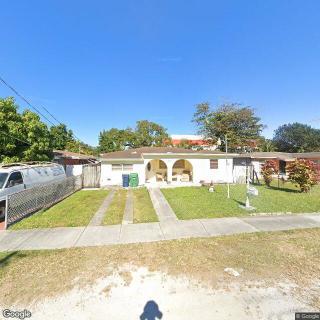




 Exploring the Contrasts Between Assisted Living and Skilled Nursing
 8 Key Indicators That Suggest It May Be Time to Transition from Assisted Living to Skilled Nursing Care
 Vibrant Senior Living: A Comprehensive Guide for Active Older Adults