
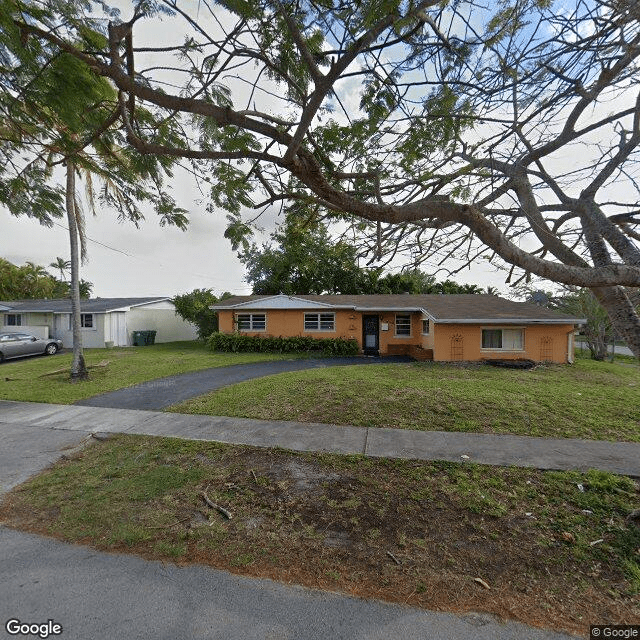
9740 South West 77 Terrace, Miami, FL 33173
To contact a resident: (305) 282-1690
For more information about senior living options: (866) 208-4318
Sunset Loving Care Costs & Pricing
Sunset Loving Care offers competitive pricing for its residents compared to both Miami-Dade County and the broader state of Florida. For a semi-private room, Sunset Loving Care charges $1,500 monthly, significantly lower than the county average of $2,250 and the state average of $3,009. Similarly, the cost for a private room at Sunset Loving Care is set at $2,500, which remains more affordable than Miami-Dade's average of $3,304 and Florida's average of $3,699. The studio option is also attractively priced at $2,500 per month, in contrast to the county's $3,886 and the state's $3,823 averages. These figures underline Sunset Loving Care's commitment to providing quality care at accessible rates within a challenging economic landscape.
| Floor plans | Sunset Loving Care | Miami-Dade County | Florida |
|---|---|---|---|
| Semi-Private | $1,500 | $2,250 | $3,009 |
| Private | $2,500 | $3,304 | $3,699 |
| Studio | $2,500 | $3,886 | $3,823 |
Overall Review of Sunset Loving Care
Pros
 The home is very nice, clean, and peaceful.
- A boarder loved the home.
- They would recommend this.
Review
Sunset Loving Care in Miami is best suited for seniors who prioritise a quiet, home-like atmosphere, where cleanliness and peace are evident from the moment of entry. The setting feels intimate rather than institutional, rewarding routine and familiar faces. For families seeking a small-scale option that can offer individualized attention, this community presents a low-stress environment where residents are likely to experience a steady, predictable day. The feedback hints at a space that feels homely and respectful, which matters to those anxious about transitions. In short, it works well for seniors who value serenity, a personal touch, and a clean, orderly living space over busier programming.
Alternatives are worth considering for those who want more robust programming, more transparent staffing detail, or specialized care needs. The absence of detailed information about activities, therapy options, or memory-care support in early impressions suggests Sunset Loving Care may not match families requiring intensive daily structure or medical oversight. Caregivers prioritising a wide social calendar, frequent excursions, or strong on-site rehabilitation services may want to compare with larger assisted-living communities or facilities with memory-care wings. This isn’t a flaw so much as a clarifying factor: Sunset Loving Care seems best when the priority is a calm, uncomplicated living environment rather than a comprehensive care ecosystem.
On the positive side, the two reviews converge on a core set of advantages. The home is described as very nice, clean, and peaceful, a trio that translates into lower stress for residents and easier daily routines for families. The intimate feel often enables staff to know residents’ preferences, routines, and needs more quickly, reducing guesswork and miscommunication. The social impact of that environment appears gentle but real: a boarder’s admiration for the home she is connected with indicates a warm, welcoming culture. For seniors who drift in large crowds or require predictable mealtimes and quiet evenings, these environmental strengths can be decisive in selecting the right place.
Where caution is warranted is the scarcity of data. With only two reviews, both echoing the same basic sentiment, there is limited evidence about staffing levels, daily programming, transportation services, or emergency response protocols. The absence of mentions regarding meals, medical oversight, or activity offerings means potential residents must insert questions into a site visit and request specifics. The four-star rating, while respectable, signals solid performance rather than standout excellence, leaving room for questions about consistency, weekend coverage, and resident satisfaction across different care scenarios. In essence, the evidence suggests comfort and cleanliness but not a full portrait of care capabilities.
To weigh pros against cons, the practical approach is a structured visit paired with targeted inquiries. Confirm staffing ratios on all shifts, review who administers medications, and verify how daily schedules are shaped, including meals, activities, and exercise. Probe for transportation options to appointments and social events, and ask about memory-care safeguards if needed. The positives, cleanliness, quiet, and personal attention, offset limited activity options if the goal is a serene, predictable routine. If these are non-negotiables, Sunset Loving Care becomes a compelling choice; if a family must see a more vibrant community with broad programming, alternatives will likely serve better.
The bottom-line recommendation positions Sunset Loving Care as a practical, well-suited option for seniors who want a tidy, peaceful home-like atmosphere and direct, attentive care in a Miami setting. It is not the choice for those who demand extensive social programming, robust rehabilitation services, or advanced memory-care capabilities. The two positive endorsements, plus the quiet, orderly environment, point to a decision rooted in comfort and reliability. Families should schedule a tour, ask for specific care details, and verify alignment with personal priorities before committing. In the right circumstances, Sunset Loving Care offers dependable daily life with the reassurance of cleanliness and a calm pace.
 6 resident community capacity
 Assisted Living
 Board and Care Home
 Day Program
 Memory Care
 Beautician on-site
 Cable or satellite TV
 Devotional services off-site
 Dining room
 Fully furnished
 Garden
 Housekeeping services
 Indoor common areas
 Move-in coordination
 Outdoor common areas
 Private
 Respite or short term stays offered
 Telephone
 Wi-Fi/high-speed internet available
 Miami International (8 miles away)
 24-hour supervision
 Assistance with bathing
 Assistance with dressing
 Assistance with transfers
 Diabetes diet
 Diabetic care
 Incontinence care
 Meal preparation and service
 Medication management
 Special dietary restrictions
 Transportation arrangement (medical)
 Transportation to doctors appointments




 22 Remarkable Caregiver Support Groups Available Online and In-Person
 Understanding Medicaid Coverage for Assisted Living: A Comprehensive Guide
 How and When Medicaid May Cover Assisted Living Costs