

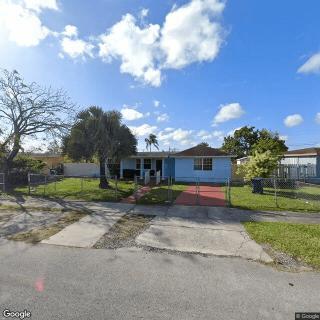
9320 SW 40th St, Miami, FL 33165
To contact a resident: (305) 552-0722
For more information about senior living options: (866) 208-4318
Overall Review of Select Medical Equipment
Pros
 The staff are very friendly and knowledgeable.
- They have everything the doctor ordered.
- The service is amazing.
- The company is highly recommended.
- Miami Durable Equipment is very efficient and timely.
- The brace was received within 24 hours.
- Appointments are on time and efficiently executed.
- They help patients navigate and understand their insurance copays so they don't pay more than they need to.
Cons
 One reviewer describes the company as unprofessional and a scam in the way it does business and presents itself.
 - Another reviewer says the delivery was rushed, occurred in a Costco parking lot, and the delivery ticket was incomplete and filled out hastily with the wrong address listed.
- A reviewer alleges the company misrepresented costs to the patient and pressed for payment after delaying the invoice.
- The service is described as causing unease, with concerns about the legitimacy of the interaction.
- A reviewer states the sleeve sold did not last 30 days and tore in multiple places.
- There is a note of very bad attention in this business.
- A reviewer claims that these practices contribute to Florida’s bad reputation for scams and insurance fraud.
Review
Select Medical Equipment in Miami is best suited for families that need fast, doctor-ordered durable medical equipment and value hands-on support from staff who coordinate prescriptions and insurance. The reviews consistently point to a team that is friendly, knowledgeable, and capable of delivering what the physician ordered. For urgent needs, especially braces, sleeves, or supports that must be in place quickly, the speed is a real advantage: braces arriving within 24 hours, appointments kept on time, and equipment delivered promptly. This is the kind of provider that cuts through red tape at a stressful moment, offering clear guidance on insurance copays and a streamlined path from prescription to fitting.
However, this option is not universally appropriate. Families that prize privacy, predictable billing, and stringent ethical standards should consider alternatives. A particularly troubling review describes aggressive, unannounced visits, a rushed, in-parking-lot fitting, and a delivery ticket that omits critical details, raising serious concerns about consent, accuracy, and cost. A pattern like that undermines trust and complicates post-sale support. Add a report of a brace that failed in under 30 days, and questions arise about durability and value. In assisted-living contexts where ongoing equipment needs and long-term reliability are essential, the risk of inconsistent practices makes alternatives worth evaluating.
On the positive side, the staff’s accessibility and ability to help navigate insurance copays can relieve a heavy administrative burden for families. The combination of physician-ordered equipment, reliable timing, and professional demeanor translates into tangible value when a quick turnaround or precise item is required. The capacity to secure the correct prescription and align fittings with insurance coverage can prevent unexpected out-of-pocket costs and ease coordination for caregivers. The emphasis on efficiency and timely delivery is a meaningful asset for recovery periods, post-injury rehabilitation, or situations demanding prompt pain relief. These strengths establish a usable foundation for a well-orchestrated care plan.
Yet the most serious concerns revolve around trust and process. The strongest warnings describe a sales approach that feels coercive or vague, prioritizing speed over due diligence, with billing practices that materialize long after delivery and threaten collections. This is not a minor nuisance; it strikes at the core of financial protection and confidence in the prescribing clinician. In a setting where sensitive personal and insurance information is shared, such reports are particularly damaging. The durability issue for at least one item further complicates the calculus, signaling potential value problems and questions about warranties or product life.
To reconcile the trade-offs, impose strict guardrails if proceeding. Demand a written, itemized invoice and a clearly defined delivery plan with costs validated by the insurer and physician. Designate a single point of contact for follow-up questions and insist on formal written acceptance of the device before billing occurs. Require in-person fitting or measurement in a controlled environment rather than a rushed installation in a public space. Verify references and confirm the supplier’s complaint-resolution process, ensuring alignment with the assisted-living facility’s procurement and privacy standards. In short, this provider can work for disciplined buyers who insist on transparency and formal processes, but only with robust safeguards.
In conclusion, Select Medical Equipment can be a practical choice for families seeking rapid access to physician-ordered DME and straightforward insurance navigation, provided that risk controls are in place. If speed and ease are non-negotiable and the care team is prepared to document every step and monitor billing accuracy, this option warrants serious consideration. Conversely, if there is any hesitancy around sales pressure, privacy, or consistent product quality, exploring alternatives with stronger reputations for transparent processes and durable equipment is prudent. The best decision balances urgent access with rigorous oversight, ensuring the resident’s needs are met without compromising trust or long-term value.
 Miami International (5 miles away)



 Understanding the Full Cost of 24/7 In-Home Care: A Detailed Overview
 Exploring the World of Home Health Nurses: Qualifications, Roles, and Hiring Tips
 Navigating Medicare Coverage for In-Home Care Services