Residents describe staff who are consistently caring and attentive throughout their stay.
Across the reviews, families and residents repeatedly point to staff kindness, empathy, and responsiveness as a major part of the experience. Many comments specifically mention nurses and CNAs being ready to help, along with frequent attention to comfort, dignity, and communication. Several also highlight the role of social workers/case management as part of day-to-day support for patients and families.
differentiator70 reviews mention this
Therapy drives real mobility gains
Physical therapy is described as hands-on and goal-focused, with noticeable progress.
A large portion of reviewers talk about rehabilitation therapy as a key reason they felt better by the time they left. Multiple reviews describe therapists pushing and encouraging patients, working on specific movement goals, and helping people regain strength or return to activities like walking. Reviews also mention therapists coordinating with overall care so progress stays on track.
common25 reviews mention this
Activities help make stays easier
The activities and life-enrichment program is a frequent positive in reviews.
Residents and families describe scheduled activities and ongoing engagement as part of what makes the facility feel supportive. Several reviews mention activity leaders by name and describe motivating patients, creating group time, and helping people stay involved. In addition to recreation, a few reviewers connect activities with maintaining physical and mental engagement during recovery.
common20 reviews mention this
Food quality is a common highlight
Food service earns repeated praise, with residents describing it as delicious and varied.
Dining comes up often, with many reviewers saying the meals were delicious and that there was variety. A few comments frame food as part of overall satisfaction during a post-surgery or rehab stay. The community also lists dining support for special dietary needs, which aligns with the way some reviewers talk about meal service during care.
caveat8 reviews mention this
Cleaning and housekeeping are mixed
Cleaning quality varies, with at least some reviewers reporting inconsistency.
While many reviews mention cleanliness positively and describe rooms/bathrooms being kept spotless, at least one reviewer says cleaning can be inconsistent and that bathrooms may not always get cleaned when in use. Another review set praises housekeeping as excellent, so the experience appears to depend on the day or the staff member. Overall, reviews suggest cleanliness is generally good, but not uniformly consistent.
common2 reviews mention this
Location near everyday essentials
The area includes nearby restaurants, pharmacies, and parks within a few miles.
Reviews don’t give much detail about day-to-day outings, but the listing places several common stops nearby. Families looking to run errands or grab a meal can use close options like pharmacies and fast-casual restaurants. There are also parks nearby for outdoor time.
How we summarize
Counts show how many written reviews mention each theme; a review can touch several themes, and only frequently mentioned themes are displayed.
The article discusses assisted living expenses, the importance of long-term care insurance in covering these costs, and various financing options, highlighting the need for careful policy review and early planning to address potential needs. It also clarifies common misconceptions about Medicare and private health insurance limitations regarding long-term care coverage.
Assisted living facilities offer crucial support for older adults needing help with daily activities but come with varying and significant costs, which can be financed through personal savings, government assistance programs, long-term care insurance, and home equity options. Professional guidance from experts can aid families in navigating these financial complexities to establish a sustainable budgeting approach for assisted living services.
Assisted living costs often exceed Social Security benefits, necessitating a combination of funding sources like state aid and Medicaid. Understanding the interaction between Social Security programs and available financial support is essential for affording such care.
Get PricingAsk A QuestionSchedule A TourContact Senior Advisor
By clicking submit, you agree to our Partner's Terms of Use. You
also consent to receive calls and texts, which may be autodialed, from our Partner. Your consent is not a condition to
using our Partner's service. Please visit our Partner's Privacy Policy for information about their privacy practices.

 6 resident community capacity
 Assisted Living
 Cable or satellite TV
 Dining room
 Fully furnished
 Garden
 Housekeeping services
 Move-in coordination
 Outdoor space
 Telephone
 Wi-Fi/high-speed internet available
 Miami International (10 miles away)
 24-hour supervision
 Activities of daily living assistance
 Assistance with bathing
 Assistance with dressing
 Assistance with transfers
 Diabetes diet
 Meal preparation and service
 Medication management
 Special dietary restrictions
 Transportation arrangement (medical)
 Transportation to doctors appointments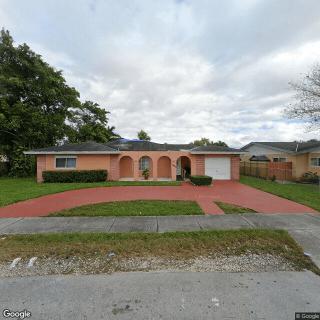
 Intimate, small-scale community with personalized care and comprehensive amenities.



 Assisted Living Expenses and Long-Term Care Insurance: A Comprehensive Exploration
 Securing Financial Support for Assisted Living: A Comprehensive Overview
 Social Security Benefits and Assisted Living: Navigating Options Across the U.S.