
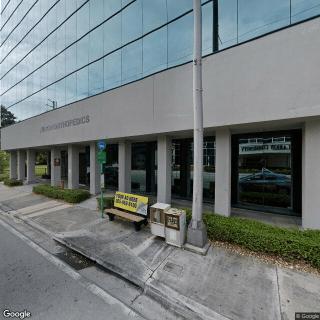
7800 SW 57th Ave # 222, South Miami, FL 33143
To contact a resident: (305) 662-4488
For more information about senior living options: (866) 208-4318
Overall Review of Griswold Special Care
Pros
 They are extremely professional and take the time to assist in any way possible.
- They have great communication with the family regarding the care they provide.
- The aides who cared for their mom were excellent.
- They provided the loving care one wants when dealing with a parent, and became like family to them.
- Griswold worked with their long-term health insurance company and there was never a problem with reimbursements.
- Hiring through Griswold gave their mom a much better quality of life.
- The team was enthusiastic about keeping her active and provided transportation, so she did not have to rely on risky Uber services.
- Bob Kemper and the Griswold team go above and beyond, treating clients like family, and they even left their own families to ensure clients were safe during the hurricane.
Review
Griswold Special Care in South Miami is best suited for families who want their loved one to remain in a familiar home setting while receiving steady, compassionate non-medical support and dependable caregiver continuity. The Pinecrest operation reflects a broad network of trained aides who build genuine relationships with clients and families, delivering the hands-on assistance that makes daily life safer and more enjoyable. This model shines when the priority is reliable transportation, help with activities of daily living, and a caregiving team that communicates clearly with relatives and coordinates with insurers to keep reimbursements straightforward.
Options to consider elsewhere are important for anyone facing more demanding medical needs. If a loved one requires round-the-clock skilled nursing, constant medical oversight, or a highly structured memory-care environment, an assisted living or memory-care community, or even a skilled-nursing facility, may be a better fit. Families who want a campus-style setting with built-in social programming and on-site clinical staff will likely find a facility-based option more aligned with those priorities. Those seeking deep, medically intensive supervision should prioritize environments designed for that level of care.
The standout pros are practical and precisely aligned with what many families need: professional, personable caregivers who treat clients like family, strong and responsive communication, and a seamless approach to arranging care even when landscape changes (such as Hospice involvement). The ability to coordinate with long-term health insurance and secure smooth reimbursements reduces administrative strain during an already stressful time. Aides’ transportation support means the client avoids risky rides or reliance on third-party apps, and this practical backbone often translates into a more active and engaged daily life. When emergencies arise, the team’s readiness, paired with a demonstrated willingness to go above and beyond, adds a layer of reassurance that is hard to quantify but highly valued.
No in-home model is without its trade-offs, and in Griswold’s case the most relevant con is the inherent limit of a home-based arrangement. While the caregivers are reliable and the scheduling appears flexible, this model does not replace on-site clinical staff or the around-the-clock medical supervision that a facility-based setting provides. Families should also recognize that care quality hinges on the consistency of assigned aides and the ability to secure backup coverage across shifts. For relatives requiring 24/7 vigilance or specialized memory-care protocols, the home-care path can feel insufficient without carefully arranged contingencies.
Yet the positives largely offset those potential drawbacks when the family’s goals center on preserving independence and avoiding the institutional feel. Caregiver continuity and the “like family” rapport reduce stress for families suddenly balancing work, travel, and caregiving duties from out of state. The active, engaging approach helps maintain a meaningful routine for the senior, and the transportation advantage routinely translates into fewer risky or unwanted ride-sharing arrangements. The integration with Hospice and the willingness to mobilize a broader support network during crises, like a hurricane, demonstrate a resilience and reliability that families count on when the outlook looks uncertain.
Bottom line: Griswold Special Care represents a practical, trusted path for families prioritizing home-based care with a high touch, the kind of care where aides become trusted extensions of the family and where insurers, hospice, and responders work in lockstep to keep quality of life high. It is an especially strong match for those who want to keep their loved one in a familiar neighborhood, maintain activity, and rely on consistent communication from a team that feels accountable and compassionate. It is less suited for anyone who needs continuous medical supervision, highly specialized memory-care features, or the social and clinical infrastructure of a traditional assisted living campus. For those decision criteria, explore facility-based alternatives while keeping Griswold’s strengths, caregiver continuity, proactive communication, and coordinated insurance support, in mind as a clear comparator.
 Miami International (7 miles away)




 California's Form 602A: An In-Depth Examination of Senior Care Assessment
 Comprehensive Look at Senior Blood Pressure Charts: Normal and Elevated Levels by Age
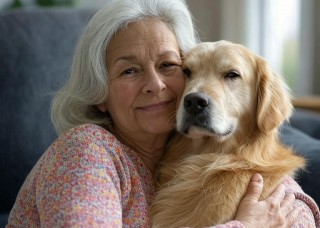 Top Canine Companions for Older Adults