
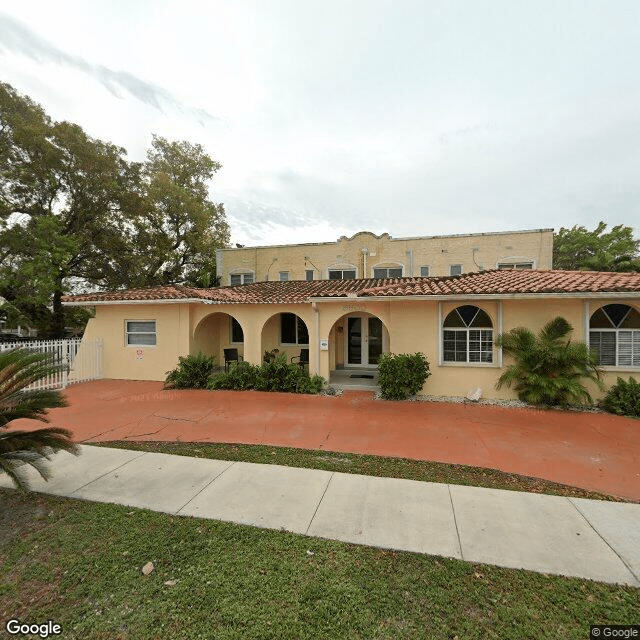
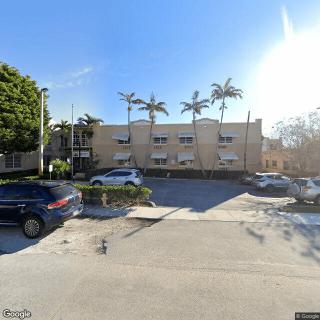
5600 South West 7Th Street, Miami, FL 33134
To contact a resident: (786) 417-1677
For more information about senior living options: (866) 208-4318
Elia's Home Care Costs & Pricing
Elia's Home Care offers competitive pricing for its services, particularly when compared to the broader market in Miami-Dade County and across Florida. For a private room, Elia's rates at $2,500 are significantly lower than the county average of $3,304 and the state average of $3,699, highlighting an attractive option for those seeking affordability without sacrificing quality care. Similarly, the semi-private room rate at Elia's also stands out at $2,500, surpassing the county's more economical rate of $2,250 but remaining well below the state's average of $3,009. This positioning not only underscores Elia's commitment to cost-effective care solutions but also ensures that residents receive exceptional service in a supportive environment.
| Floor plans | Elia's Home Care | Miami-Dade County | Florida |
|---|---|---|---|
| Private | $2,500 | $3,304 | $3,699 |
| Semi-Private | $2,500 | $2,250 | $3,009 |
Overall Review of Elia's Home Care
Pros
 The facility is very clean with a small resident population, and the staff treat residents with great care and affection.
- The care at Elia’s Home Care is marked by attention to detail, cleanliness, compassion, and loving support.
- The staff go above and beyond to ensure residents feel comfortable and safe.
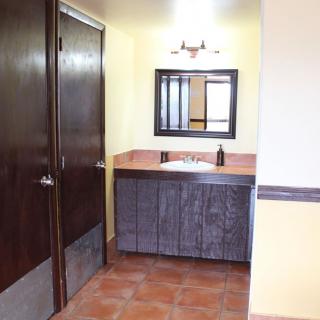
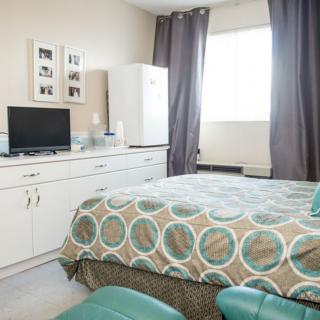
- The facility feels like a true home, with a warm, welcoming environment.
- The staff are incredibly attentive and caring, providing personalized care and respect.
- The meals are consistently good, balanced, and tailored to residents’ needs.
- The environment is impeccably clean and well-organized, giving families peace of mind.
- The administration and care teams are professional, compassionate, and treat residents with dignity, as if they were family.
Review
Elia’s Home Care in Miami, Florida, is best suited for families seeking an intimate, home‑like assisted living experience for an aging loved one. With only six resident beds, the community delivers unusually high caregiver attention, a cohesive team, and a consistently clean, warm environment. For seniors who value a predictable routine, steady relationships with a small staff, and reassurance that the caregiver who walks in the door truly knows their likes, dislikes, and medical needs, this is a standout option. The Coral Gables setting feels residential rather than institutional, and families report the place feels like a true home rather than a clinic. This combination translates into steady peace of mind for relatives who want hands-on involvement without sacrificing professional standards.
Who may want alternatives? Those whose loved ones require more robust medical oversight, specialized memory care, or a bustling calendar of on-site activities may want to look elsewhere. Larger assisted living campuses or dedicated memory‑care units typically offer more structured programming, broader social opportunities, and on-site licensed nursing staff available around the clock. Residents with complex medication regimens, frequent changes in condition, or needs for rehabilitative therapies that require higher intensity staffing will often benefit from facilities built to scale for medical complexity. Additionally, families prioritizing independent outings and a wide range of transportation options may find a small, fixed roster of activities feels limiting. In short, this community excels at intimate care; for high‑acuity needs, alternatives may be more appropriate.
The core strengths here revolve around cleanliness, a small, resident‑centered footprint, and staff dedication. The six‑bed configuration enables one‑on‑one attention, meticulous medication oversight, and rapid responsiveness to daily needs, which translates into fewer miscommunications and more consistent routines. Families repeatedly describe staff as compassionate, dignified, and uncommonly patient, with caregivers who tailor assistance to each resident’s preferences. Safety is embedded in the daily rhythm, clear housekeeping, tidy common areas, and a lived‑in sense that someone reviews meals, reminders, and mobility supports. While some worry that a small size limits social opportunities, the counterpoint is strong: the staff actively cultivates a warm community through individualized engagement, family involvement, and regular activities aligned with resident interests. In this balance, the pros clearly offset the absence of a large, campus feel.
Food, cleanliness, and the personal touch emerge as recurring anchors. The kitchen consistently delivers meals described as delicious, balanced, and adapted to residents’ dietary needs, contributing to comfort and appetite, critical for long‑term well‑being. The environment remains impeccably clean, with staff who are cheerful and respectful, making visits by family welcoming and routine rather than disruptive. The strongest endorsements come from relatives who highlight specific caregivers, names such as Juana, Eliza, and Marlene, whose attentiveness leaves a lasting impression on both residents and families. The administration, exemplified by José Manuel and the leadership team, projects a professional atmosphere that still feels like a close‑knit family, preserving dignity and independence. This is one of those rare ALFs where home atmosphere and professional standards converge in a way families can trust without hesitation.
Yet a measured decision requires weighing practical trade‑offs. The most tangible constraint of a six‑resident house is capacity: when a resident’s needs intensify or medical complexity increases, the facility’s resources are necessarily more constrained than in larger communities. This matters less for those who require steady, hands‑on daily support and who value close relationships with caregivers, but it can influence access to round‑the‑clock nursing, on‑site therapists, or rapid escalation of medical services. Another potential limitation is the range of activities and peer interactions that larger campuses offer; families should assess whether the resident enjoys smaller, quieter days or would benefit from more people and programs. If memory care is a priority, confirm the facility’s capabilities in dementia‑specific protocols and whether transitions to more intensive care can be managed smoothly. Still, the trade‑offs are clearly in favor of families seeking calm, intimate care with exceptional human connection.
Bottom line: Elia’s Home Care stands out as one of the most trustworthy, home‑like options for seniors who prioritize warmth, cleanliness, and individualized attention in a compact setting. It is especially well‑suited for families who want peace of mind from a consistent, compassionate staff that treats residents as individuals and integrates them into a genuine home environment. Those who crave a larger campus, more specialized memory‑care programs, or broader medical resources should consider alternatives that scale up accordingly. For the right resident, the benefits, near‑constant accessibility of caring hands, respect for dignity, and a sense of belonging, outweigh any drawbacks. Tour this Coral Gables gem with a practical checklist: observe mealtime dynamics, question medication management routines, and confirm night staffing and safety practices. When fit is right, the choice feels obvious.
 6 resident community capacity
 Assisted Living
 Board and Care Home
 Day Program
 Memory Care
 Respite Care
 Cable or satellite TV
 Devotional services on-site
 Dining room
 Fully furnished
 Garden
 Housekeeping services
 Indoor common areas
 Move-in coordination
 Outdoor common areas
 Private
 Telephone
 Wheelchair accessible showers
 Wi-Fi/high-speed internet available
 Miami International (2 miles away)
 24-hour supervision
 Ambulatory care
 Assistance with bathing
 Assistance with dressing
 Assistance with transfers
 Diabetes diet
 High acuity care
 Incontinence care
 Meal preparation and service
 Medication management
 Special dietary restrictions
 Transportation arrangement (medical)
 Transportation to doctors appointments


 22 Remarkable Caregiver Support Groups Available Online and In-Person
 Understanding Medicaid Coverage for Assisted Living: A Comprehensive Guide
 How and When Medicaid May Cover Assisted Living Costs