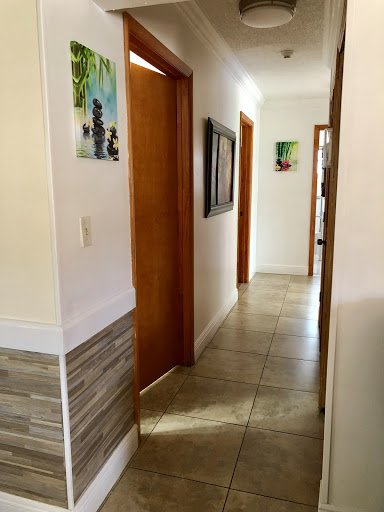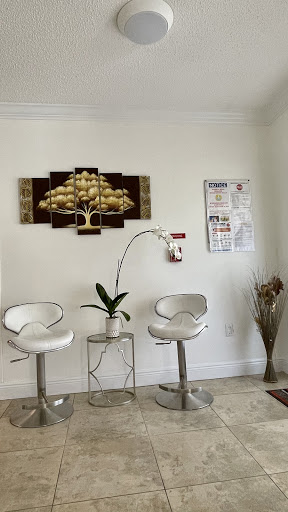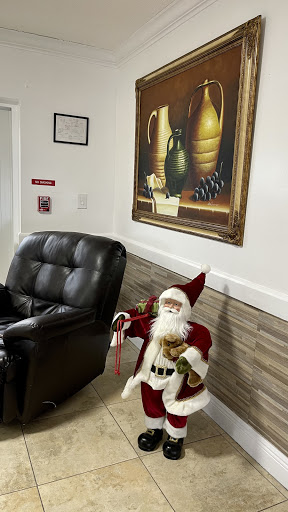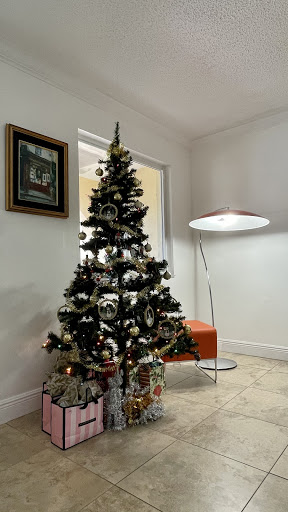
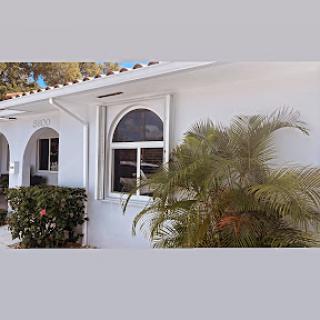

5524 Southwest 5th Street, Miami, FL 33134
To contact a resident: (786) 273-8975
For more information about senior living options: (866) 208-4318
Alborada Family Home Assisted Living Facility Costs & Pricing
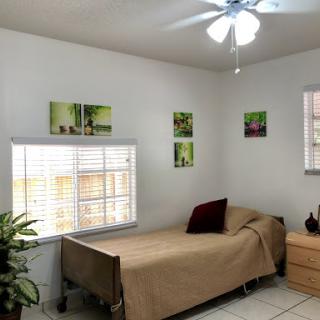
Alborada Family Home Assisted Living Facility offers competitive pricing compared to the broader market within Miami-Dade County and the state of Florida. For a semi-private room, residents can expect to pay $1,300 per month, significantly lower than the county average of $2,250 and the state average of $3,009. Similarly, for those seeking a more private living arrangement, Alborada's rate of $1,800 stands in stark contrast to the higher costs found within Miami-Dade County at $3,304 and across Florida at $3,699. This pricing structure not only highlights Alborada's commitment to affordability but also underscores its appeal as an attractive option for families looking for quality assisted living services without sacrificing financial stability.
| Floor plans | Alborada Family Home Assisted Living Facility | Miami-Dade County | Florida |
|---|---|---|---|
| Semi-Private | $1,300 | $2,250 | $3,009 |
| Private | $1,800 | $3,304 | $3,699 |
Senior living communities with a similar price nearby
-
About the same
Caring for You #1 Assisted Living Facility, INC
$1,300 / month0.3 miles away -
from +$100 / mo
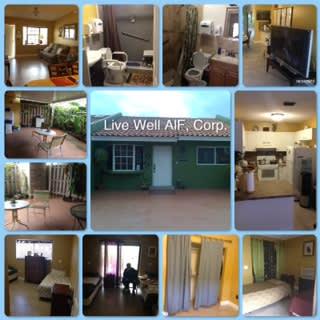
Live Well ALF Corp
$1,400 to $2,200 / month8.7 miles away -
from -$100 / mo
Marina ALF, INC
$1,200 to $2,000 / month12.4 miles away -
from +$100 / mo
Gonzalez & Sons Home Care
$1,400 to $2,500 / month1.4 miles away -
from +$100 / mo
Gonzalez & Sons Home Care II
$1,400 to $2,500 / month1.2 miles away
Overall Review of Alborada Family Home Assisted Living Facility
Pros
 The facility is impeccably clean and the staff are incredibly attentive and caring.
- The staff go above and beyond to ensure residents feel comfortable and safe.
- The meals are consistently good, balanced, and tailored to residents’ needs.
- The environment feels like a true home, offering a supportive and welcoming atmosphere.
- Juana, Eliza, and Marlene provide exceptional, individualized care.
- The staff treat residents with dignity and respect, giving families peace of mind.
- The care team handles medication management and daily activities with professionalism.
- Families describe Elia’s Home Care as the best ALF with top-notch care and organization.
Review
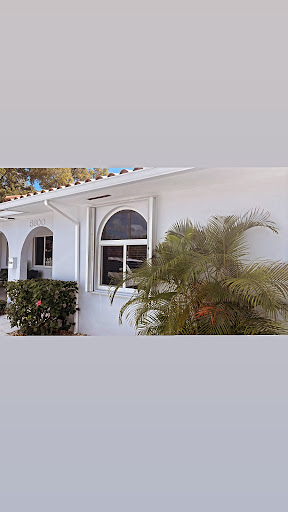
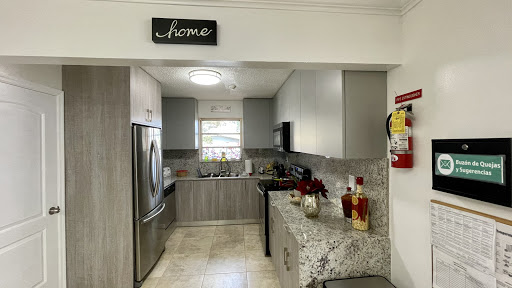
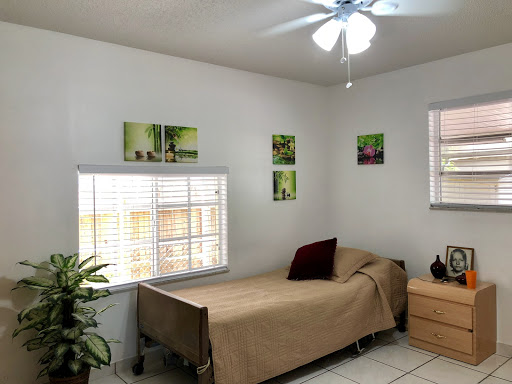
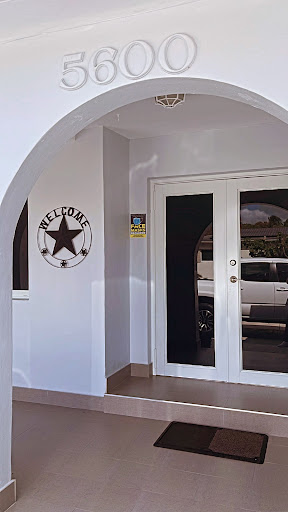
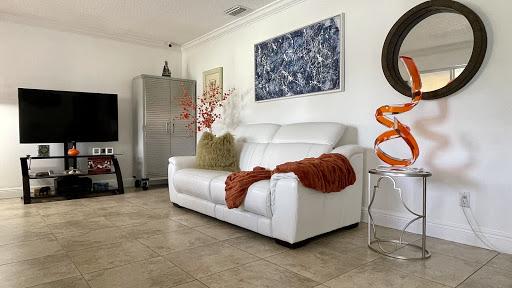
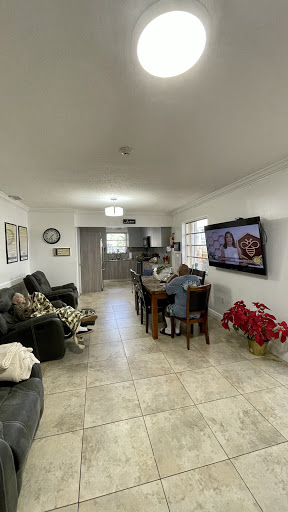
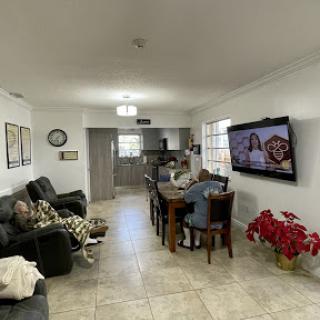
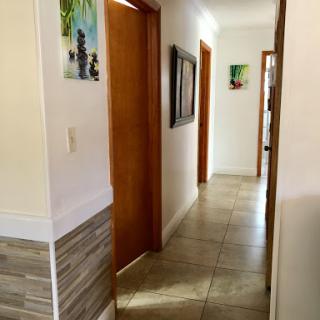
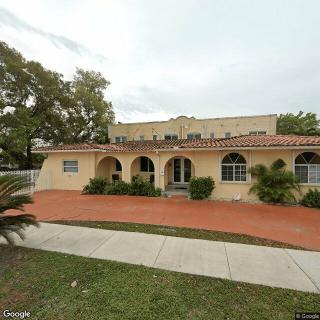
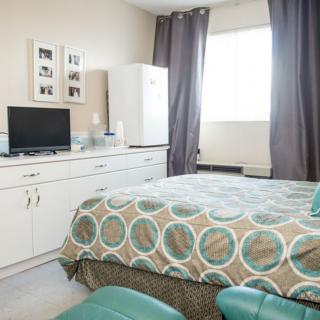
Alborada Family Home Assisted Living Facility in Miami is best suited for families seeking a truly intimate, home-like environment where a senior can receive highly personalized care. The six-bed model supports close relationships with a consistent, attentive caregiving team, enabling predictable routines, vigilant supervision, and rapid help with daily activities. Residents who need regular assistance with activities of daily living, medication management, and meals tailored to medical or dietary needs will find a strong alignment here. For those prioritizing peace of mind, warmth, and a setting that feels like a true residence rather than a clinical campus, this community stands out as a practical, trustworthy choice.
There are clear reasons to consider alternatives, too. If a loved one requires a broader menu of on-site medical services, structured memory care programs, or a full calendar of social outings and excursions, a larger assisted living campus may serve better. Those who crave expansive social opportunities or specialized care for advanced dementia may not find enough variety in a tiny, intimate setting. Prospective residents should verify licensing status, staffing levels, and the presence of a licensed clinician on site, as well as the ease of access to physicians and pharmacies. If these components are non-negotiable, exploring other options is prudent.
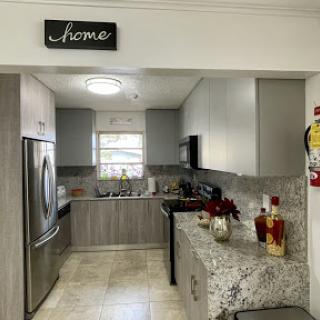
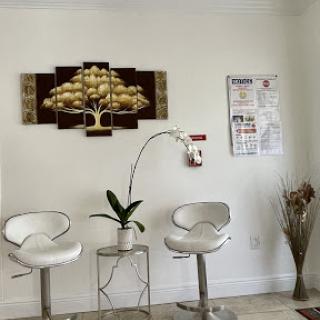
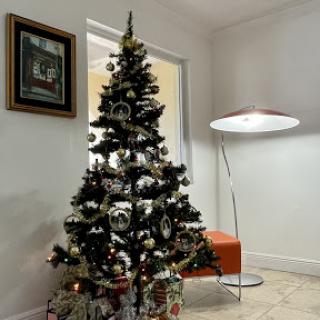
The strongest assets of this community lie in cleanliness, safety, and the caliber of care delivered by a devoted staff. Families consistently describe a facility that is impeccably maintained, with a care team that genuinely treats residents with dignity and respect. The environment feels welcoming and homely, where caregivers know residents by name and respond with genuine warmth. Meals receive frequent praise for quality and balance, with staff adept at accommodating dietary needs and preferences. These practical strengths translate into meaningful peace of mind for families, who see visible, daily evidence of compassionate, professional care.
That same intimate model, though, naturally limits breadth, yet it often translates into depth where it matters most. The compresses size enables a high-touch approach: staff-to-resident interactions are frequent, caregivers learn each resident’s routine, preferences, and triggers, and families experience fewer gaps in communication. On the flip side, a smaller setting can constrain social programming and delay access to a wider range of activities or specialized therapies. This risk can be mitigated when caregivers purposefully curate daily engagement around individual interests, but it requires a proactive, well-coordinated team and engaged family members who stay involved in activity planning and feedback.
For families weighing the decision, practical diligence is essential. A campus tour should include observation of how medication management is conducted, what shifts or nursing coverage look like after hours, and how emergencies are handled. Demand a clear weekly schedule that demonstrates cognitive and social stimulation opportunities, and ask how birthdays, hobbies, and personal histories are woven into daily life. Clarify transition plans should a higher level of care become necessary, and confirm the facility’s ability to coordinate with outside specialists. If the goal is to preserve independence with steady support in a quiet, orderly setting, this option can deliver exceptional value and consistent comfort.
Bottom line: Alborada thrives for families who prize a small, home-like atmosphere where residents are known, respected, and meticulously cared for. It excels for seniors needing daily assistance, reliable medication support, and nutritionally attentive meals within a calm, orderly environment. Those seeking expansive social programming, robust medical subspecialties, or large-campus amenities should compare against larger ALFs or memory-care communities. With targeted due diligence, facilities tours, licensing confirmation, staff interviews, and reference checks, this intimate setting can emerge as the right fit, aligning timing, needs, and budget with a compassionate, high-quality standard of care.
 Board and Care Home
 Activities off-site
 Bath tubs
 Beautician on-site
 Devotional services on-site
 Indoor common areas
 Outdoor common areas
 Private
 Private bathrooms
 Respite or short term stays offered
 Wheelchair accessible showers
 Miami International (2 miles away)
 Ambulatory care
 Diabetic care
 Incontinence care
 Medication management
 Kosher


 Skilled Nursing Facilities vs. Nursing Homes: Making Sense of the Differences
 A Detailed Examination of Nursing Home Costs Across the U.S.
 Exploring Nonmedical Home Care: Understanding Services, Costs, and Financial Approaches