Center For Family And Child Enrichment in Miami Gardens, FL
Center For Family And Child Enrichment is an assisted living community in Miami Gardens, FL.
Information last verified:
1511 North West 168Th Terr, Miami Gardens, FL 33169
For more information about senior living options: (866) 208-4318
3.8 from 103 reviews
5 stars
61
4 stars
12
3 stars
4
2 stars
5
1 stars
21
Overall Review of Center For Family And Child Enrichment
common28 reviews mention this
Warm, attentive clinicians stand out
Residents consistently describe caring, knowledgeable staff who take time with families.
Many reviews praise the people they work with day to day, describing a team that feels attentive and respectful. Several specifically highlight Dr. Michelle Kirwan (and staff in the front office and medical team) for listening, explaining, and not rushing visits. A few reviewers also call out how helpful case workers and the broader staff are when families need support.
caveat15 reviews mention this
Communication and scheduling can falter
Multiple reviews report problems getting through by phone and confusion with appointments.
Some reviewers describe difficulty reaching the office or getting timely follow-up, including phone lines that do not work as expected. Others report scheduling and intake issues that led to reschedules, missed time, or being told they lacked documents when they arrived. A few also mention breakdowns between departments and frustration with how staff handle insurance and next steps.
caveat8 reviews mention this
Mental health support is mixed
Reviews vary on mental health services, from strong praise to major dissatisfaction.
Several residents describe mental health as a key reason they chose (or stayed with) the center, pointing to counseling and therapy support. At the same time, other reviews say therapists or psychiatry did not help them as expected, and that children did not receive enough sessions or the right medication follow-through. A few mention improved or positive experiences with specific therapists, while still describing broader gaps in services.
common5 reviews mention this
A one-stop family resource
Residents describe the center as a broad hub for health, social, and family needs.
Some reviews frame the center as a community resource that supports families beyond a single type of visit. Residents mention health and social services, counseling, and help related to court needs and school-related concerns. A few also describe it as a place that steps in when families need assistance, including through case work and follow-up conversations.
How we summarize
Counts show how many written reviews mention each theme; a review can touch several themes, and only frequently mentioned themes are displayed.
Features
Housing
6 resident community capacity
Types of Care
Assisted Living
Amenities
Cable or satellite TV
Dining room
Fully furnished
Garden
Housekeeping services
Move-in coordination
Outdoor space
Telephone
Wi-Fi/high-speed internet available
Transportation
Miami International (10 miles away)
Fort Lauderdale-Hollywood International (11 miles away)
Care Services
24-hour supervision
Activities of daily living assistance
Assistance with bathing
Assistance with dressing
Assistance with transfers
Coordination with health care providers
Diabetes diet
Meal preparation and service
Medication management
Special dietary restrictions
Transportation arrangement (medical)
Transportation to doctors appointments
Dining
Diabetes diet
Special dietary restrictions
Activities
Community-sponsored activities
Scheduled daily activities
Nearby Places of Interest
Parks
Scott Park (0.6 miles)
River Run Park (4.7 miles)
Founders Park (5.7 miles)
Palm Springs North Park (6.4 miles)
Haulover Beach Park (6.6 miles)
Poinciana Park (6.9 miles)
Royal Oaks Park (7.3 miles)
Pharmacies
Walgreens (1.3 miles)
Winn-Dixie (3.5 miles)
Walgreens (3.6 miles)
CVS Pharmacy (4.1 miles)
CVS Pharmacy (4.3 miles)
Walgreens (4.8 miles)
Walgreens (5.2 miles)
Restaurants
Jackson Soul Food II (1.9 miles)
Chipotle Mexican Grill (2.9 miles)
Chili's Grill & Bar (4.2 miles)
Houston's (4.9 miles)
McDonald's (5.2 miles)
Mo's Bagels & Deli (5.3 miles)
Taco Bell (5.3 miles)
Transportation
North Perry Airport of Broward County (4.9 miles)
Tri-Rail Metrorail Transfer (6.1 miles)
Okeechobee Metrorail Station (7.7 miles)
Earlington Heights Metrorail Station (8 miles)
Cafes
Starbucks (5.6 miles)
Rosetta Bakery (5.6 miles)
Starbucks (6.2 miles)
Starbucks (6.5 miles)
Starbucks (6.6 miles)
Starbucks (7.1 miles)
Theaters
AMC Aventura 24 (5.6 miles)
AMC Pembroke Lake 9 (7.6 miles)
Hospitals
Joe DiMaggio Children's Hospital (6.9 miles)
Memorial Hospital Pembroke (7.1 miles)
Memorial Hospital West (7.8 miles)
Places of Worship
Mother Of Our Redeemer Catholic Church (7 miles)
Physicians
Comprehensive Health & Wellness Center, P.A. (7.6 miles)
The article examines senior housing options, detailing the distinctions between independent living and assisted living, along with the emerging "independent assisted living" model that blends both approaches. It highlights the importance of assessing individual needs, preferences, and financial factors in making informed decisions about suitable living arrangements for seniors.
The deductibility of assisted living expenses on taxes hinges on factors like the individual's medical condition and service nature, typically requiring the resident to be "chronically ill" per IRS definitions. Taxpayers may deduct eligible medical expenses related to personal care services but generally not rent unless primarily for medical care, and they should maintain thorough documentation to support claims while considering itemizing versus standard deductions.
The guide highlights the importance of assisted living facilities for aging veterans needing daily support, discusses unique challenges they face, and outlines available financial assistance from the VA, including the Aid and Attendance program. It emphasizes understanding eligibility criteria and navigating the VA system to access necessary benefits effectively.
Get PricingAsk A QuestionSchedule A TourContact Senior Advisor
By clicking submit, you agree to our Partner's Terms of Use. You
also consent to receive calls and texts, which may be autodialed, from our Partner. Your consent is not a condition to
using our Partner's service. Please visit our Partner's Privacy Policy for information about their privacy practices.

 6 resident community capacity
 Assisted Living
 Cable or satellite TV
 Dining room
 Fully furnished
 Garden
 Housekeeping services
 Move-in coordination
 Outdoor space
 Telephone
 Wi-Fi/high-speed internet available
 Miami International (10 miles away)
 24-hour supervision
 Activities of daily living assistance
 Assistance with bathing
 Assistance with dressing
 Assistance with transfers
 Diabetes diet
 Meal preparation and service
 Medication management
 Special dietary restrictions
 Transportation arrangement (medical)
 Transportation to doctors appointments
 Small, home-like board?and?care with personalized care and comprehensive daily living services.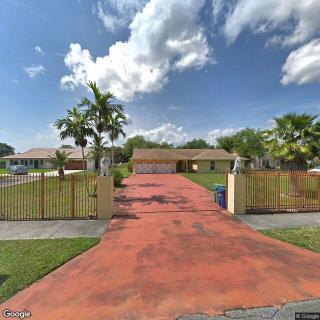


 Exploring the Path to Senior Living: A Comprehensive Look at Independent Living and Assisted Living
 Is Assisted Living Deductible on Your Taxes? Understanding the Complexities of Assisted Living Expenses and Deductions
 Assisted Living Support for Veterans: A Complete and Detailed Overview