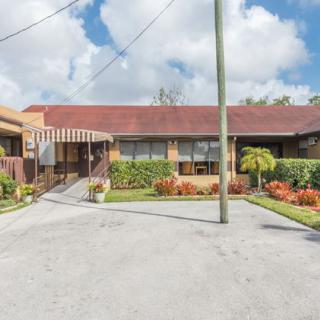
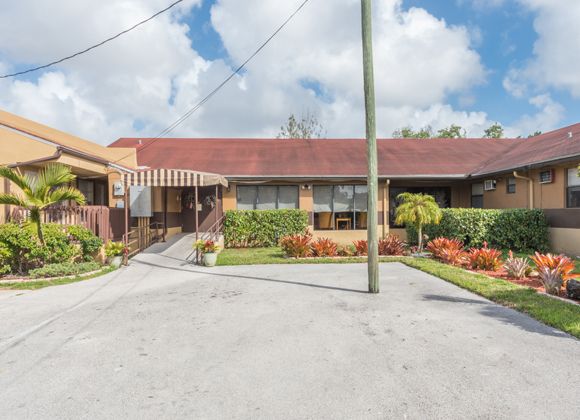
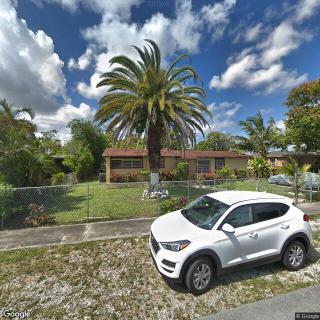
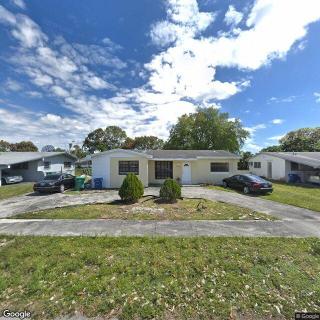
1864 North West 175th Street, Miami Gardens, FL 33056
For more information about senior living options: (866) 208-4318
Overall Review of Colonial Assisted Living at Miami
Pros
 The staff in Colonial Assisted Living at Miami is very helpful.
- They take very good care of the residents and keep them involved with activities.
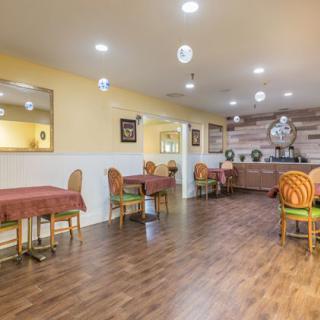
- He likes the meals very, very much.
- The private room was spacious.
- The staff was very nice.
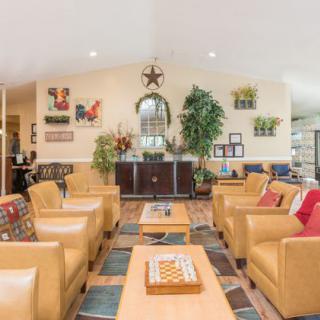
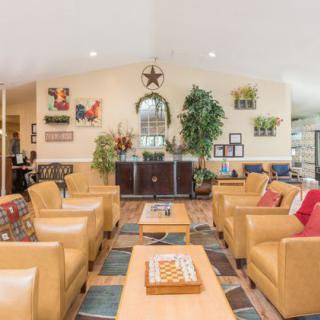
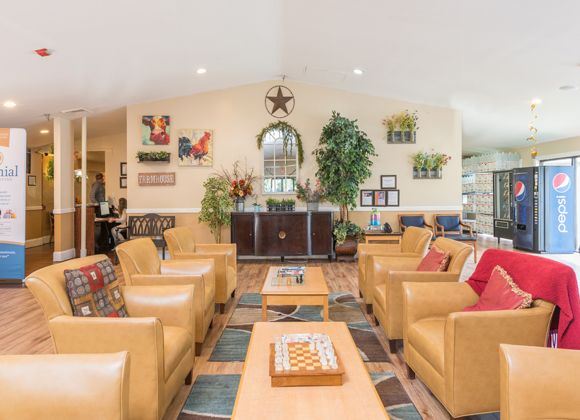
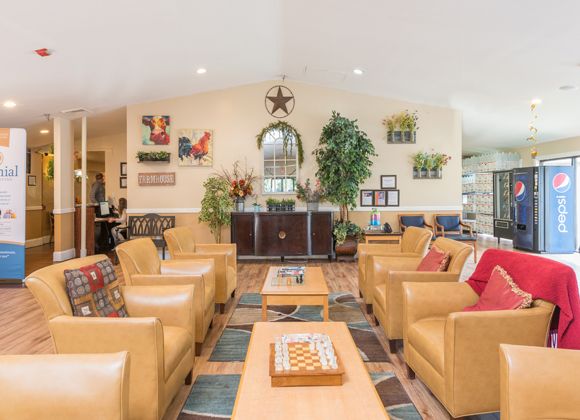
- They have a game room and several outdoor spaces where residents can sit in the gardens.
- They could cater to various diets.
- The facility is very clean.
- The rooms were very nice.
- They have a grand piano in the greeting room.
- There was a balcony, and she likes that.
- The administrative team is knowledgeable and expressed great concern for the safety of each person.
- Ben is a great guy.
Cons
 The loved one was left soiled and smelled of urine and feces on several visits.
- There was an unexplained bruise on the resident's arm.
- The promised direct care for Alzheimer's residents was not provided after numerous conversations.
- The reviewer felt deceived, describing the place as a wolf in sheep's clothing.
- Hidden Ranches was described as not having a friendly atmosphere, feeling institutionalized and with an unsanitary aroma.
- There was a staff dispute over who had to take care of a patient, indicating poor coordination.
- The facility reminded the reviewer of correctional facilities, lacking a warm, home-like environment.
Review
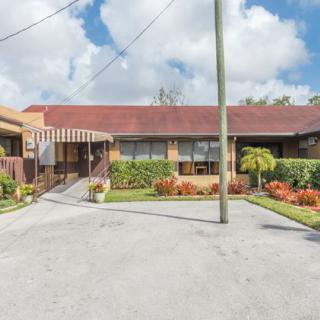
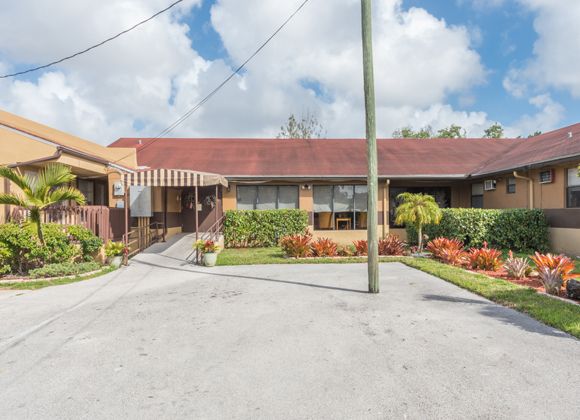
Colonial Assisted Living at Miami is best suited for seniors who want a lively, socially oriented environment and for families that value visible engagement, pleasant dining, and a campus feel. The facility delivers spacious common areas, big rooms (including a balcony option in some layouts), and a program calendar that keeps residents active with arts, games, and intergenerational energy. It appeals to families seeking a place where meals are well-regarded, rooms are clean, and staff appear approachable and involved in daily activities. This is a community that prioritizes social interaction, accessible outdoor spaces, and a setting where residents can move about in a relatively open, bustling atmosphere.
Careful consideration should be given to residents with heavy direct-care needs or dementia that requires vigilant, highly consistent supervision. A portion of feedback underscores gaps between initial assurances and day-to-day care, including reports of inconsistent direct care delivery and occasional lapses in supervising residents who require hands-on assistance. Families should scrutinize staffing patterns, ensure robust monitoring of care plans, and verify that the level of supervision aligns with the resident’s acuity. In short, for someone who needs relentless, one-to-one caregiving or constant due diligence to prevent minor incidents from escalating, alternatives with higher staffing ratios and more stringent oversight may be a prudent match.
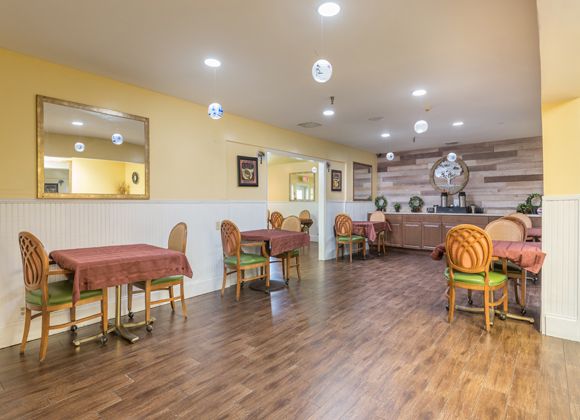
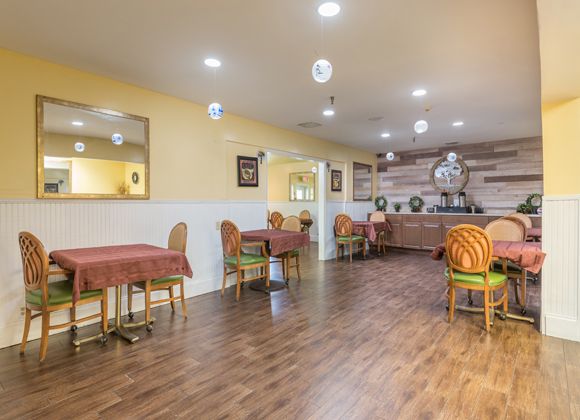
What Colonial does well is translate care into a warm, engaging living experience. The staff is described as helpful, friendly, and responsive, and residents benefit from a calendar rich in arts, crafts, games, and music. The environment supports socialization through group activities in large common spaces, with opportunities to participate in painting, puzzles, sing-alongs, and trips to shared outdoor areas. Meals earn consistent praise, and the two-meal seating arrangement helps reduce crowding while enabling residents to dine at a comfortable pace. The dining rooms and living spaces feel welcoming, and the presence of features like a grand piano and a garden contribute to a sense of home. For families prioritizing ongoing activity and a community vibe, these elements often offset the routine limitations found in any setting.
The strongest offset to the concerns is the overall atmosphere of cleanliness, organization, and approachable leadership. Several reviews emphasize that rooms are neat and windows brighten private or semi-private accommodations, and that administrators respond to issues with empathy and practical solutions. When management is proactive, addressing problems, communicating clearly, and facilitating smoother operations, these positives can mitigate risks inherent in a high-activity setting. The ability to cater to dietary needs and the readiness to adapt programs to residents’ interests also matter, especially for those who crave meaningful engagement as a core component of daily living. In this light, Colonial stands out as a place where daily life can feel constructive rather than merely custodial.
Decision-makers should approach a visit with precise questions and a structured checklist. Confirm the resident-to-staff ratio for the specific level of care required, request a live demonstration of mealtime and activity routines, and review a current care plan with the nurse or director. Ask to observe a shift handoff and how incidents or injuries are logged and escalated. Verify whether the private room options, including balconies and any kitchenette features, align with the resident’s expectations for independence. Finally, seek candid references from families whose loved ones have similar needs, and insist on a trial period or clearly defined move-in benchmarks to gauge consistency in care and responsiveness.
Overall, Colonial Assisted Living at Miami offers a compelling package for families seeking an active, socially rich environment with reliable housekeeping, engaging programming, and attentive staff. It is a particularly strong fit for residents who thrive on interaction, enjoy organized activities, and value a bright, communal living space. However, potential buyers should weigh the emphasis on daily engagement against stories of inconsistent direct care. If the priority is unwavering, one-to-one supervision and airtight care continuity, exploring alternatives with stronger guardrails around caregiving may be warranted. For the right resident, Colonial represents a well-rounded option in Miami Gardens.
 65 resident community capacity
 1-bedroom apartments
 Assisted Living
 Skilled Nursing Facility
 Air-conditioning
 Beautician on-site
 Cable or satellite TV
 Computer center
 Dining room
 Fitness room
 Fully furnished
 Gaming room
 Garden
 Housekeeping services
 Kitchenette
 Laundry
 Move-in coordination
 Outdoor space
 Party space
 Private bathrooms
 Resident parking
 Restaurant-style dining
 Small library
 Telephone
 VA Benefits Consultation
 Wellness center
 Wi-Fi/high-speed internet available
 Miami International (10 miles away)
 Community operated transportation
 12-16 hour nursing
 24-hour call system
 Activities of daily living assistance
 Assistance with bathing
 Assistance with dressing
 Assistance with transfers
 Diabetes diet
 Hospice care
 Medication management
 Mental wellness program
 Physical therapy
 Psychiatric care
 Special dietary restrictions
 Arts and crafts
 Concierge services
 Games
Games Live musical performances
 Planned day trips
 Religious services
 Stories
 English




 When to Transition from Assisted Living to Memory Care: Key Indicators, Steps, and Finding the Right Community
 Assisted Living and Memory Care: Understanding Their Core Differences
 Beyond the Bingo Hall: 50+ Enriching Activities for Seniors in Assisted Living