
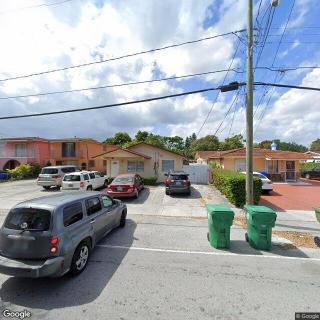
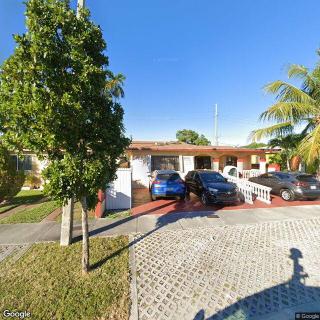
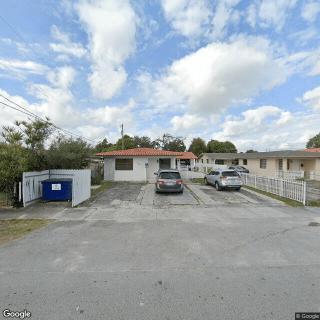
4753 North West 1St Street, Miami, FL 33126
For more information about senior living options: (866) 208-4318
Overall Review of Cachita Adult Congregate Living Facility
Pros
 Residential Plaza is a truly outstanding senior living community that combines compassionate care with a warm, family-like environment.
- The facility demonstrates a dedicated commitment to dignity, comfort, and personalized attention, making residents feel valued and supported.
- It provides not just a place to live but a true home where residents are part of a caring community.
- The staff are great, and their caring makes residents feel like family.
- The dining and service are consistently complimented, reflecting high-quality care.
- Residential Plaza leads the way in affordable housing for seniors, with dedicated and caring staff.
- The environment offers daily activities and choices that keep residents entertained and engaged.
- The care and services provided are evident, with families noting excellent care and reasonable costs.
Cons
 One reviewer described the experience as horrible.
- There was terrible communication amongst the personnel.
- There was a wrong dosage of medication given, and staff lied about the amount.
- The reviewer pressed the emergency button to call a nurse, but after three hours no one had come.
- They decided to take their loved one home because the care provided did not meet expectations.
- They could not get proper answers from anyone.
Review
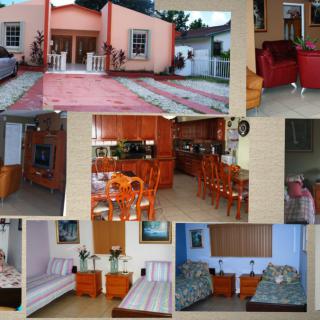
Cachita Adult Congregate Living Facility is best suited for seniors who want a warm, home-like environment in Miami, with caregivers who deliver personalized attention and treat residents with dignity. The community excels when residents value a true sense of belonging, consistent kindness from staff, and daily programming that keeps them engaged. For families budgeting carefully, the combination of attentive care and a more affordable price point makes Cachita a practical, emotionally satisfying option for those seeking a supportive, family-centered setting rather than a clinical, institution-like atmosphere.
Those weighing options should consider alternatives if medical complexity requires constant, certified nursing oversight and highly reliable medication safety. The experiences shared by families highlight that when communication among staff breaks down and medication management stalls, the consequences can be significant. If a resident depends on timely nurse responses, precise dosages, and transparent, proactive updates to families, a facility with stronger clinical staffing and established escalation protocols should be on the shortlist. In short, higher acuity needs may outpace what this type of setting is designed to deliver consistently.
The strongest pros in this model offset many potential drawbacks when leadership prioritizes staffing quality and resident-centered routines. Families repeatedly praise staff who are described as compassionate, professional, and genuinely caring, an environment where residents feel valued and supported. The daily activity options and social programming create meaningful engagement, reducing isolation and contributing to a higher quality of life. Dining experiences feel dignified and pleasant, with residents reporting enjoyable meals and a sense of hospitality that echoes a boutique hotel rather than a healthcare facility. These positives matter greatly for long-term satisfaction and overall well-being.
Yet the notable cons cannot be dismissed. The most impactful concerns center on communication gaps and the risk of medication-related issues when staff turnover or coordination falters. For families, the difference between a warm, welcoming atmosphere and a frustrating, opaque operation often hinges on how well the leadership implements clear lines of accountability, timely reporting, and consistent care protocols. If these systems falter, even the strongest social program and best-intentioned caregivers may not fully compensate, and frustration, both for residents and family members, mounts quickly.
Practical due diligence can transform a good fit into an excellent one. Prospective residents should expect to tour at various times to observe how staff interact with residents, how activities unfold, and how appetizing meals truly are on a typical day. Ask for specifics on staffing ratios, on-site nursing availability, medication management procedures, and how emergencies are escalated and documented. Request to speak with current residents and families about communication styles, response times, and how concerns are resolved. Review sample care plans, incident reports, and the facility’s licensing status to gauge consistency and accountability.
In the end, Cachita ACLF offers a compelling option for families prioritizing warmth, dignity, and an active social environment at a cost-conscious price. The decisive factor rests on how well medical oversight and communications are managed day-to-day. If the facility demonstrates reliable nursing presence, transparent, proactive family updates, and rigorous med-management practices, the pros clearly outweigh the potential cons. For residents whose needs include high-acuity medical care or immediate nurse access, alternatives with stronger clinical staffing may be prudent. The next step is a structured visit: observe interactions, verify policies, and compare with nearby options to ensure the chosen path aligns with long-term goals and safety.
 8 resident community capacity
 Assisted Living
 Board and Care Home
 Respite Care
 Cable or satellite TV
 Dining room
 Fully furnished
 Garden
 Housekeeping services
 Move-in coordination
 Outdoor space
 Telephone
 Wi-Fi/high-speed internet available
 Miami International (2 miles away)
 24-hour supervision
 Activities of daily living assistance
 Assistance with bathing
 Assistance with dressing
 Assistance with transfers
 Diabetes diet
 Meal preparation and service
 Medication management
 Special dietary restrictions
 Transportation arrangement (medical)
 Transportation to doctors appointments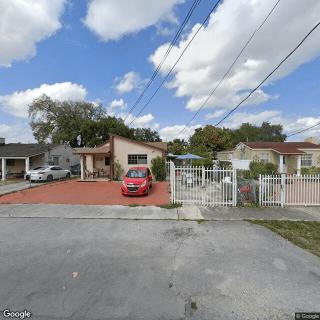



 Comprehensive Insights into Activities of Daily Living (ADLs) and Their Assessment
 Medicare Coverage for Assisted Living: An In-Depth Exploration
 Choosing the Right Senior Care: A Detailed Exploration of Assisted Living and Nursing Homes