
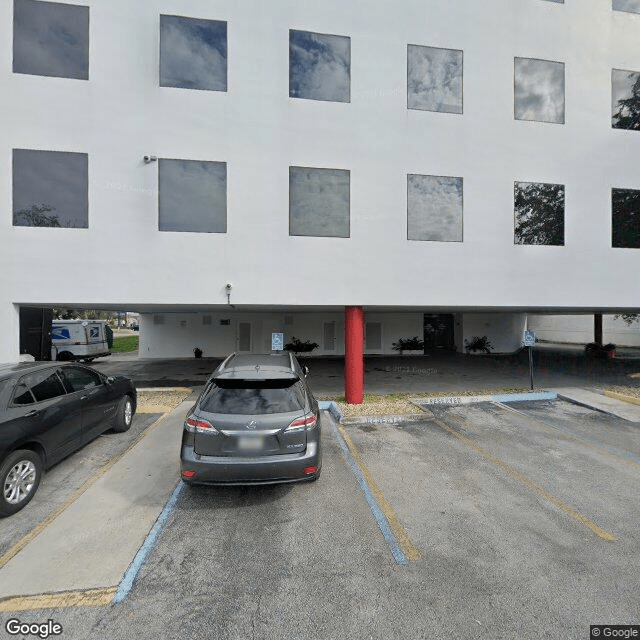
11098 Biscayne Blvd, Miami, FL 33161
To contact a resident: (305) 676-2620
For more information about senior living options: (866) 208-4318
Overall Review of Assisting Hands Miami Beach
Pros
 The care provided was excellent, and the scheduler's support made a difficult time much easier.
- The coordinator matched his needs with a wonderful caregiver, delivering excellent care.
- Katherine provided exceptional guidance during the hiring process, making it smooth and welcoming.
- Darlene's kind professionalism and clear communication guided families through the process, making it quick, easy, and stress-free.
- The office staff are friendly and caring, and Darling oversees scheduling to ensure attentive service.
- Yunisleidys was patient, caring, and super attentive, and the company provided invaluable support.
- The company quickly arranged a caregiver who was a sweetheart, offering fast and effective assistance.
- The team is respectful and goes out of their way to provide excellent service.
Cons
 The grandfather's health deteriorated after using the company's services.
- A scheduled aide for the husband after a stroke was canceled at the last minute with a nonsensical excuse, leaving them stranded.
- The customer service was described as the worst.
- Maria provided horrible customer service.
- A stay-away warning was issued due to the agency's horrible customer service.
Review
Assisting Hands Miami Beach is best suited for families seeking prompt, person-centered in-home care that can mobilize quickly after surgery or illness and maintain a clear, steady line of communication. The model suits loved ones who need reliable caregiver matching, daily assistance, and a dedicated coordinator who can adapt to shifting needs. It works well for post-acute recovery, fall risk support, and ongoing help that preserves independence while improving safety at home. For families prioritizing a visible, responsive point person who can coordinate care as conditions change, this agency often delivers outcomes that reduce stress and support practical day-to-day functioning.
Those who may want alternatives include families demanding absolute consistency and guaranteed scheduling with no last-minute changes, or those requiring highly specialized medical care that goes beyond standard in-home support. Several reviews flag scheduling hiccups and last-minute cancellations as a meaningful risk, along with incidents of uneven customer service. For seniors with complex medical regimens, or households that cannot tolerate gaps in coverage, a more medically oriented home health provider or a facility-based option might offer the reliability that certainty-obsessed families demand.
The strongest positives center on how care is matched, coordinated, and delivered. Families repeatedly highlight thoughtful onboarding, responsive coordinators, and caregivers who align with specific needs. The ability to deploy a caregiver quickly after discharge, from post-surgical recovery to post-COVID-related support, and the emphasis on personal compatibility help prospects feel confident during vulnerable transitions. Long-tenured staff and genuine devotion to helping clients remain at home are evident themes, with coordinators praised for clarity, empathy, and proactive problem-solving in scheduling and care planning.
Yet, the downsides cannot be ignored. A subset of reviews describes disappointing customer service, including cancellations or last-minute changes that leave families stranded. Instances of miscommunication or inconsistent experiences with particular staff members create real concern about reliability over time. The negative notes aren’t universal, but they signal a structural risk: when scheduling becomes unstable, the primary advantages, timely placement and caregiver match, lose much of their value. For risk-averse families, these gaps should be weighed carefully against the strength of the care team.
On balance, the positives largely counterbalance the negatives when a strong coordinator and a compatible caregiver lineup are in place. The practical payoff is substantial: rapid access to in-home help after hospitalization, a culture that emphasizes compassion and attentiveness, and a system that can adjust as needs evolve. The key is proactive engagement, insisting on a named primary coordinator, requesting consistency with at least one caregiver, and clarifying contingency plans for unavoidable changes. When those conditions are met, the overall experience tends to be practical, reassuring, and effective for everyday living and recovery.
For families ready to engage, come prepared with concrete questions and expectations. Request the assigned coordinator and caregiver names, and confirm the plan for continuity if a caregiver is unavailable. Ask for a clear backup strategy and a policy around cancellations or urgent scheduling shifts. Discuss the anticipated care plan, including how medical needs, medications, and mobility support will be managed day-to-day. Finally, gather references and outline a short trial period to verify consistency and fit. When aligned on these points, Assisting Hands Miami Beach can be a strong ally for safe, comfortable aging at home and smoother recoveries after surgery or illness.
 Miami International (10 miles away)





 Comprehensive Look at Senior Blood Pressure Charts: Normal and Elevated Levels by Age
 Top Canine Companions for Older Adults
 Comprehensive Guide to Blood Pressure Charts for Older Adults: Understanding Normal and High Readings by Age