
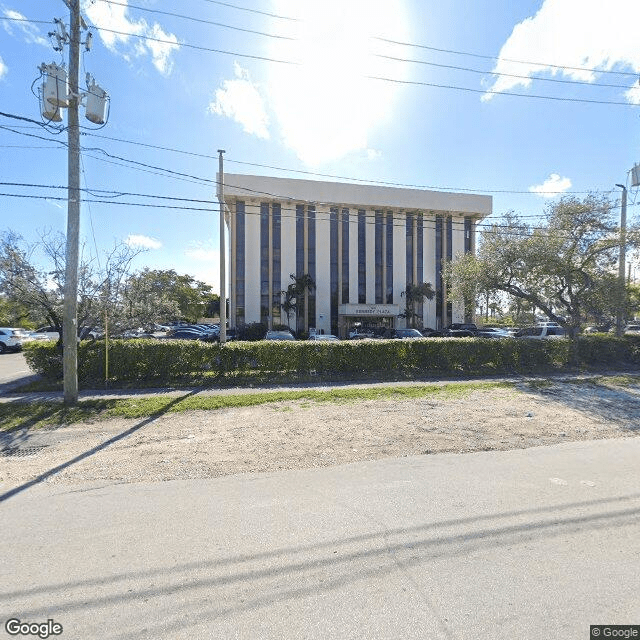
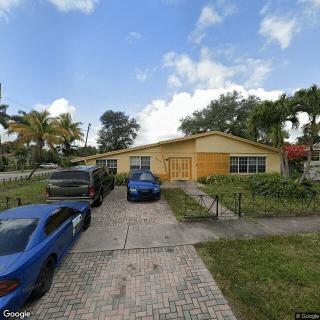
160 NW 176th St, Miami, FL 33169
To contact a resident: (305) 655-9660
For more information about senior living options: (866) 208-4318
Overall Review of American Elder Care
Pros
 The staff are supportive and understanding, and the facility is impeccably clean.
- Residents are well-fed and well cared for during their stay.
- The owners and staff are incredibly supportive and accommodating.
- Families wholeheartedly recommend the home.
- Residents receive exceptional care and thrive under the staff.
- The facility is modern, clean, and spacious, with attentive staff.
- Families can rest assured their loved ones are cared for 24/7.
- The atmosphere feels like a second home, with patient, respectful, and genuinely kind caregivers.
- The team goes above and beyond to make residents feel special, including regular hairstyling and nail services.
- Medical issues are addressed quickly and with coordination with doctors to restore health.
Review
American Elder Care in Miami is best suited for families seeking a home-like environment where daily life is prioritized through clean, well-maintained spaces, attentive staff, and consistent supervision. This community is particularly appropriate for seniors who don’t need highly clinical, hospital-style care but value dignity, regular engagement, and a sense of personal attention. For relatives seeking a place that treats residents as individuals, with routine check-ins, respectful interactions, and a welcoming atmosphere, this facility delivers a reassuring, dependable option in a busy urban setting.
If the priority is advanced memory care with proven dementia-specific programming, or if a tighter budget necessitates a more economical option, alternatives should be explored. The reviews consistently praise warmth and daily living support, but they do not emphasize specialized clinical protocols or large-scale memory care pathways. Families needing intensive rehabilitative services, highly structured dementia care, or very aggressive medical oversight may find other communities that spotlight those capabilities more prominently. In short, for complex medical needs or cost-sensitive plans, a broader comparison is warranted.
The strongest positives revolve around cleanliness, staff access, and meaningful resident engagement. The facility is described as impeccably clean, modern, and spacious, creating an environment where residents look well cared for and visitors feel at ease. Staff are repeatedly characterized as compassionate, respectful, and reliably available, with owners who respond promptly and a culture that supports both residents and caregivers. Beyond basic care, the inclusion of salon services, manicure/pedicure options, and regular activities helps residents stay connected, active, and feeling valued. This combination, hygiene, warmth, and social stimulation, substantially offsets the potential worry that a busy ALF might feel impersonal or rushed.
However, the reviews do raise a potential caveat: the absence of explicit evidence about specialized medical or memory-care infrastructure. The strength in human touch and daily support does not guarantee readiness for advanced clinical needs. For families with a loved one who requires frequent physician-level interventions, high-acuity care, or tailored dementia strategies, there is a legitimate concern that the community’s core strengths may not fully cover those requirements without external coordination. Yet, the same reports emphasize prompt physician involvement when needed and thorough coordination with family members, suggesting that medical needs can be managed with timely outside support if necessary.
Operationally, these findings translate into clear decision-making guidance. Prospective residents should verify the facility’s capacity for their loved one’s expected level of medical care and consider how care might scale if health fluctuates. Schedule a visit to assess not just cleanliness and aesthetics, but the cadence of care, from meal consistency to personal grooming and the responsiveness of staff during routine tasks. Ask about physician on-site or on-call arrangements, how quickly issues are escalated, and what the transition plan looks like if clinical needs intensify. This is a place that delivers peace of mind through staff dedication and a well-kept environment; the practical test is aligning those strengths with the specific medical and social needs of the elder resident.
Bottom line: for families prioritizing dignity, cleanliness, and a community that treats residents like members of a extended family, American Elder Care stands out in Miami. It offers trustworthy daily living support, engaging activities, and a respectful culture that many families find invaluable. Those with moderate medical needs who value a warm, well-maintained home and are comfortable coordinating external medical oversight will likely feel confident here. Conversely, if dementia-focused programming, intensive clinical services, or lower cost are overriding concerns, an alternatives comparison should be pursued to ensure the chosen path aligns with both current needs and anticipated changes.
 Fort Lauderdale-Hollywood International (10 miles away)



 Caregiver Exhaustion: Recognizing the Signs and Restoring Your Well-Being
 Understanding Hospice Care at Home: Comprehensive Services, Key Benefits, and Eligibility
 Understanding the Full Cost of 24/7 In-Home Care: A Detailed Overview