
4141 South West 99 Ct, Miami, FL 33165
For more information about senior living options: (866) 208-4318
Overall Review of Aging World Of Westchester ALF
Pros
 The staff are friendly and caring, and the home is clean.
- Joel and his wife are welcoming, professional, and attentive to families' needs.
- The facility feels like a true home, where residents are treated like family.
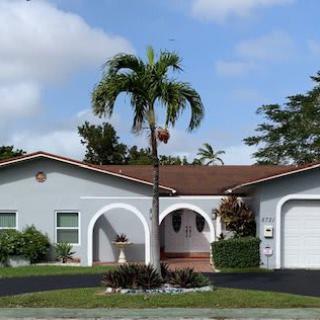
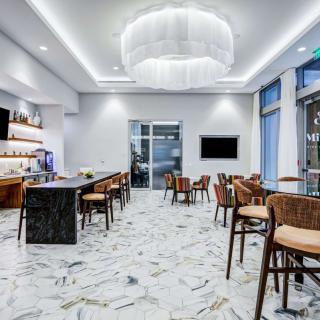
- The home is bright, clean, and calm with plenty of natural light.
- Caregivers are compassionate, dedicated, and focused on residents' well-being.
- Residents enjoy engaging activities and form friendships with others.
- Birthdays and holidays are celebrated, creating a warm, family atmosphere.
- The care team provides 24/7 attentive care, making residents feel safe and loved.
- Families highly recommend Assisted Living of Westchester for quality care.
- The facility is top-notch, with professional staff who care for residents and families.
Cons
 The reviewer had to make the difficult decision to place their mom in an ALF.
- Finding 24-hour care for their dad was scary.
- The reviewer wishes there was another ALF in Central Florida.
Review
Aging World Of Westchester ALF is best suited for families seeking a truly home-like, intimate assisted-living experience in a residential Miami setting. This community excels when a senior wants daily companionship, personal attention, and a culture that treats residents as family. The model rests on a small-house, caregiver-led environment where staff familiarity translates into quick responsiveness and a tangible sense of safety. The owners personally invest in the operation, and that commitment shows in warm interactions, spotless living spaces, and consistently attentive care. For seniors who still want some independence but require regular help with routines, this setting offers the right balance of support and hominess.
That said, this is not the universal fit. Families evaluating higher-acuity needs, memory-care specialization, or highly structured programming may prefer a larger facility with more clinical resources or a dedicated memory-care wing. Those requiring intensive rehabilitation, frequent on-site physician visits, or a campus with expansive social offerings across multiple buildings may find the smaller footprint limiting. For families located far away, the intimate setup may feel less resource-dense than a bigger operator, making contingency planning and coordinating care more essential.
The strongest upside, an undeniable and almost immediate sense of trust, shines through in the staff dynamic. The owner, Joel, and his wife come across as genuinely invested, with a team that treats residents as family members. Cleanliness is more than a buzzword here; the home feels polished, orderly, and cared for, reinforcing a sense of security for visiting loved ones. Families repeatedly note flexibility around visitations, clear explanations of care plans, and a culture that celebrates birthdays and holidays. These elements translate to visible improvements in mood and daily engagement, extending care beyond basic tasks to a sense of belonging.
Residents appear to thrive on personalized attention that feels tailored rather than routinized. The spaces are described as sunlit and calming, with a color palette and design that reduce agitation and ease transitions for new arrivals. The result is a living environment where daily activities are not perfunctory but meaningful, supported by caregivers who know preferences, routines, and names. Such a climate reduces the fear of loss of autonomy and helps maintain a dignified quality of life, even as daily needs increase. In short, the human-centered approach is the true differentiator here, offsetting the absence of a larger, more clinical campus.
The pragmatic trade-offs center on scale and scope. The intimate setting means fewer staff members on hand than in bigger facilities, which can matter when medical complexity rises or when staffing turnover occurs. Yet the reviews consistently show that care remains outstanding and that the team compensates with strong continuity and dedication. Prospective residents should directly confirm the level of nursing capability, wound care, equipment availability, and the process for coordinating outside medical professionals. Those requiring robust on-site medical oversight or a broad menu of specialized therapies should verify that the facility can meet those needs without compromising the warmth and responsiveness that define this home.
Ultimately, the decision centers on values and goals. For families prioritizing a true home atmosphere, steady caregiver relationships, and a close-knit community that makes a resident feel valued, Aging World Of Westchester ALF represents one of the strongest, most consistently recommended options in its market. It delivers on daily life, companionship, regular celebrations, and a sense of peace that many seniors and their families yearn for after transition. Alternatives should be weighed if the priority shifts toward more clinical resources, expansive programming, or a larger, more resource-rich campus. Prospective families should visit, meet the owners, and discuss concrete care plans, to ensure alignment with the loved one’s health trajectory and personal wishes.
 6 resident community capacity
 Assisted Living
 Cable or satellite TV
 Dining room
 Fully furnished
 Garden
 Housekeeping services
 Move-in coordination
 Outdoor space
 Telephone
 Wi-Fi/high-speed internet available
 Miami International (6 miles away)
 24-hour supervision
 Activities of daily living assistance
 Assistance with bathing
 Assistance with dressing
 Assistance with transfers
 Diabetes diet
 Meal preparation and service
 Medication management
 Special dietary restrictions
 Transportation arrangement (medical)
 Transportation to doctors appointments

 Exploring the Contrasts Between Assisted Living and Skilled Nursing
 8 Key Indicators That Suggest It May Be Time to Transition from Assisted Living to Skilled Nursing Care
 Vibrant Senior Living: A Comprehensive Guide for Active Older Adults