
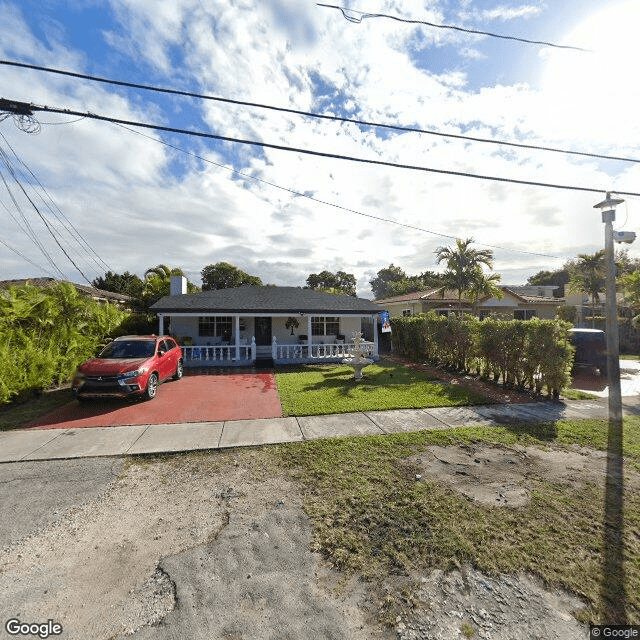
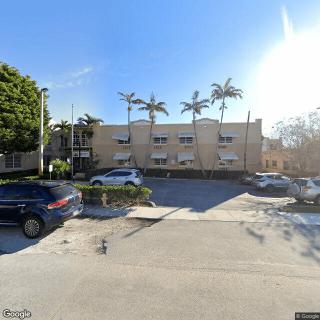
41 South West 68Th Avenue, Miami, FL 33144
For more information about senior living options: (866) 208-4318
A+ Senior Home Costs & Pricing
A+ Senior Home offers competitive pricing for its residential options, providing a cost-effective alternative compared to average rates in Miami-Dade County and the broader state of Florida. For semi-private rooms, A+ Senior Home charges $1,250 per month, significantly lower than the county average of $2,250 and only a fraction of the state average of $3,009. Similarly, both one-bedroom and private room accommodations at A+ are priced at $2,500, which is more affordable than the typical costs in Miami-Dade ($3,775 for one-bedroom and $3,304 for private) and across Florida ($3,864 for one-bedroom and $3,699 for private). This clear distinction highlights A+ Senior Home's commitment to providing quality care at accessible rates without compromising on comfort or service.
| Floor plans | A+ Senior Home | Miami-Dade County | Florida |
|---|---|---|---|
| Semi-Private | $1,250 | $2,250 | $3,009 |
| 1 Bedroom | $2,500 | $3,775 | $3,864 |
| Private | $2,500 | $3,304 | $3,699 |
Memory care communities with a similar price nearby
-
from +$50 / mo
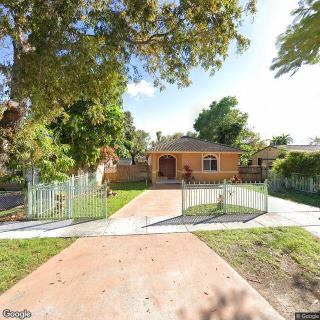
Caring for You #1 Assisted Living Facility, INC
$1,300 / month1.6 miles away -
from -$50 / mo
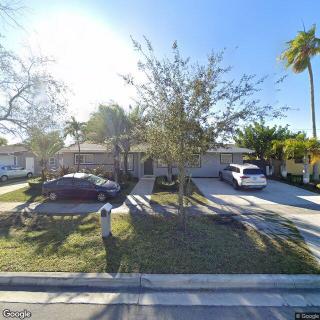
Marina ALF, INC
$1,200 to $2,000 / month12.3 miles away -
from +$150 / mo
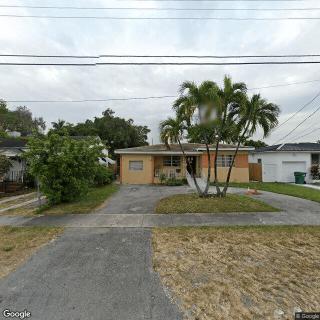
Gonzalez & Sons Home Care
$1,400 to $2,500 / month2.8 miles away -
from +$150 / mo
Gonzalez & Sons Home Care II
$1,400 to $2,500 / month2.5 miles away -
from +$150 / mo

Midtown Manor
$1,400 to $2,900 / month19.5 miles away
Overall Review of A+ Senior Home
Cons
 The administrator wasn’t there to meet the guests.
- The staff were described as bilingual, but the two women working didn’t speak English.
- There was an unpleasant smell.
- There was a general sadness about the place.
Review
A+ Senior Home in Miami is best suited for families that specifically seek a bilingual care setting and can tolerate limited administrative engagement. The sole review points to a facility where language dynamics may appear comforting in theory, but in practice the administrator’s absence and staff communication gaps undermine trust and continuity of care. This community will feel like a fit for those who place more weight on language compatibility than on visible leadership, consistent oversight, or a bright, inviting atmosphere. For English-speaking families or anyone who expects a proactive administrator and a lively, well-maintained environment, this is not the right match.
Those who should consider alternatives are those who require clear, ongoing translation support integrated into daily care, a high standard of cleanliness, and an uplifting resident experience. If a facility must offer regular, approachable leadership hours, transparent decisions about caregiving, and staff who can communicate in English or a family’s preferred language with ease, this Miami community falls short. Families with strong preferences for robust programming, social engagement, and morale-boosting routines will want to look elsewhere to avoid extended periods of uncertainty or miscommunication.
The few potential advantages suggested by any marketing angle, the idea of bilingual capacity, do not hold under scrutiny. The reported reality is that the staff encountered did not speak English, which directly erodes essential communication for care planning, safety notes, medication reminders, and daily routines. The lack of a consistently present administrator creates a vacuum where family questions go unanswered and accountability becomes unclear. When an environment already signals decline, an unpleasant odor and a pervasive sense of sadness, any nominal pros are quickly overwhelmed by these core flaws.
During visits, prospective families should demand concrete, verifiable assurances. Ask who supervises daily operations and when the administrator is typically on site. Request language support specifics: are translators available, and what languages do on-site caregivers fluently speak across shifts? Inquire about housekeeping schedules, odor management, and recent cleanliness audits. Observe resident-resident and resident-staff interactions for warmth, attentiveness, and respect. Probe into activity offerings, social opportunities, and how care plans are communicated to families. A tour should include a candid discussion about turnover, incident reporting, and escalation protocols when resident needs escalate.
If options exist in the same price range, use a disciplined comparison framework. Measure staff-to-resident ratios on each shift, confirm regular administrator presence, and verify cleanliness and maintenance standards with recent resident feedback. Push for a trial stay or sit-down with current residents to gauge morale and day-to-day satisfaction. Weigh the language dynamic as either a meaningful benefit or persistent barrier, and insist on evidence of proactive leadership and transparent reporting. The most reliable choice will be a community where leadership is visible, languages are functionally supported, and the living environment feels clean, hopeful, and welcoming.
Bottom line: with a single low-rated encounter emphasizing an absent administrator, language barriers, odor, and a grim mood, the risk here significantly outweighs any speculative upside. For most families, the prudent move is to pursue options with overt leadership, consistent English-speaking or family-preferred communication, and a facility that projects cleanliness, warmth, and an active, uplifting rhythm. Engage a seasoned senior-living advisor to identify comparable communities, arrange informed tours, and validate alignment with care needs, language preferences, and expectations for daily life. The right match will deliver reliable management presence, clear communication, and a rejuvenating environment that supports both residents and their families.
 6 resident community capacity
 Assisted Living
 Board and Care Home
 Memory Care
 Respite Care
 Activities off-site
 Cable or satellite TV
 Devotional services off-site
 Dining room
 Fully furnished
 Garden
 Housekeeping services
 Indoor common areas
 Move-in coordination
 Outdoor common areas
 Private
 Private bathrooms
 Telephone
 Wheelchair accessible showers
 Wi-Fi/high-speed internet available
 Miami International (2 miles away)
 24-hour supervision
 Ambulatory care
 Assistance with bathing
 Assistance with dressing
 Assistance with transfers
 Diabetes diet
 Diabetic care
 High acuity care
 Incontinence care
 Meal preparation and service
 Medication management
 Special dietary restrictions
 Transportation arrangement (medical)
 Transportation to doctors appointments
 Small, intimate community with 24-hour supervision and personalized daily living support.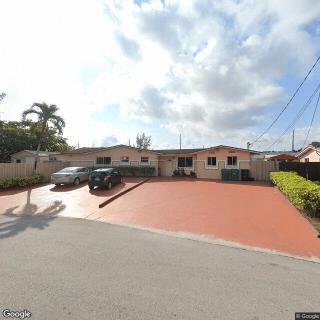


 8 Key Indicators That Suggest It May Be Time to Transition from Assisted Living to Skilled Nursing Care
 Nourishing the Mind: Essential Dietary Approaches for Dementia
 Understanding Dementia Behaviors: Practical Insights and Strategies for Caregivers