For more information about senior living options: (866) 208-4318
4 from 93 reviews
5 stars
64
4 stars
2
3 stars
5
2 stars
6
1 stars
16
Solaris Rehab of Merritt Island Costs & Pricing
Solaris Rehab of Merritt Island offers competitive pricing in comparison to Brevard County and the broader Florida state averages. For a studio room, residents can expect to pay $2,850 per month, which is significantly lower than both the county average of $3,805 and the state average of $3,823. When it comes to one-bedroom units, Solaris maintains its affordability at $4,350 per month; however, this cost is slightly above the county average of $3,909 and well above the state average of $3,864. Overall, Solaris Rehab presents an appealing option for those seeking rehabilitation services without compromising on quality while still navigating the varying costs across the region.
Floor plans
Solaris Rehab of Merritt Island
Brevard County
Florida
Studio
$2,850
$3,805
$3,823
1 Bedroom
$4,350
$3,909
$3,864
Memory care communities with a similar price nearby
Many residents and families describe staff who are kind, responsive, and attentive.
Across the reviews, residents and families repeatedly mention staff friendliness and care, including nurses, CNAs, social services, and therapy teams. Several reviewers call out specific people for being helpful, professional, and willing to answer questions. There are also a few strongly negative reviews that criticize responsiveness and support, but even those include some staff members who were described as kind. Overall, the experience residents describe tends to track with who you work with day to day.
common14 reviews mention this
Rehab and therapy get positive marks
Therapy support is often described as respectful and helpful for recovery.
Many reviews highlight physical therapy and occupational or speech therapy as a strong part of the stay, with people describing progress after injuries or surgery. Reviewers also mention therapy teams being respectful and engaging during sessions. A few negative reviews dispute whether rehab helped and describe delays or problems with care delivery, but those criticisms focus more on execution than on therapy itself. Several families also mention discharge support and case management alongside therapy progress.
caveat8 reviews mention this
Dining quality is mixed
Food and meal service receive both praise and recurring complaints.
Some families say the food is good or that meals are one of the better parts of the experience, and a few describe dining as less like a buffet. At the same time, multiple reviews complain about meal quality, missing or hard-to-obtain condiments, and not meeting simple meal requests. Other comments say residents struggle to get nurses when they need support around meals. Taken together, dining satisfaction appears inconsistent across stays and units.
common9 reviews mention this
Cleanliness stands out, for better or worse
Residents frequently mention the facility’s cleanliness and also occasionally report serious cleanliness issues.
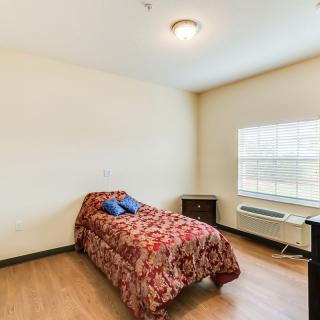
Positive reviews describe the building as clean, comfortable, and bright, with some families emphasizing a welcoming feel during visits. Several reviewers connect cleanliness with peace of mind and comfort for loved ones. However, there are also complaints about the facility being dirty or having noticeable odors, with concerns that hygiene and equipment were not in good shape. Overall, cleanliness is a noticeable point of contrast across reviews.
differentiator7 reviews mention this
Case management support shows up often
Social services and case management are frequently cited as especially helpful.
A recurring theme is the role of social services and case managers, with multiple reviewers describing specific staff members as going above and beyond. Families mention help with questions, advocacy during discharge planning, and follow-through after discharge-related steps. This buying-experience support also shows up alongside day-to-day praise for nursing and therapy teams. The reviews generally suggest that when communication is strong, it makes transitions and next steps easier for families.
caveat11 reviews mention this
Staffing and responsiveness vary widely
Several reviews describe delays in getting help and concerns about staffing support.
Some reviewers report slow response times, difficulty getting nurses promptly, and problems with getting needed items or medications returned or delivered. A few negative reviews describe residents left waiting for assistance and cite breakdowns that affected hygiene or comfort. Other reviews directly contrast this by describing attentive, encouraging staff and smooth care from admission through discharge. With the mixed feedback, responsiveness appears to depend heavily on unit and shift.
How we summarize
Counts show how many written reviews mention each theme; a review can touch several themes, and only frequently mentioned themes are displayed.
Features
Types of Care
Assisted Living
Memory Care
Amenities
Activities on-site
Devotional services off-site
Indoor common areas
Transportation
Melbourne International (20 miles away)
Care Services
Ambulatory care
Diabetic care
Dining
Meals provided
Activities
Activities on-site
Devotional activities offsite
Nearby Places of Interest
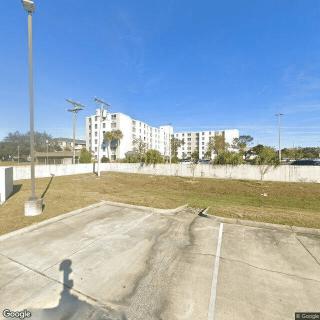
This part of Merritt Island, Florida offers convenient access to various amenities and services essential for senior living. There are several pharmacies within a short distance, ensuring easy access to medications and healthcare needs. Additionally, numerous cafes and restaurants provide a variety of dining options for residents. For medical care, there are several physicians' offices and clinics nearby, along with hospitals in the vicinity. The area also features parks for recreation and relaxation. Furthermore, transportation options are available with the Port Canaveral Cruise Terminal within reach for those interested in travel. Overall, this part of Merritt Island provides a well-rounded environment suitable for seniors looking for a comfortable and accessible place to reside.
Solaris Rehab of Merritt Island offers competitive pricing in comparison to Brevard County and the broader Florida state averages. For a studio room, residents can expect to pay $2,850 per month, which is significantly lower than both the county average of $3,805 and the state average of $3,823. When it comes to one-bedroom units, Solaris maintains its affordability at $4,350 per month; however, this cost is slightly above the county average of $3,909 and well above the state average of $3,864. Overall, Solaris Rehab presents an appealing option for those seeking rehabilitation services without compromising on quality while still navigating the varying costs across the region.
Sundown syndrome, or sundowning, is a phenomenon in dementia patients characterized by increased confusion and agitation during late afternoon and evening, influenced by factors like disrupted circadian rhythms and fatigue. Effective caregiver strategies include establishing routines and managing environmental light while addressing caregiver stress through support services.
Delirium is a rapidly onset, reversible cognitive disturbance often caused by acute medical issues, while dementia is a gradual and irreversible decline due to chronic neurodegenerative diseases. Accurate differentiation between the two is essential for appropriate treatment and management in older adults.
Dementia, including Alzheimer’s disease, is often mischaracterized in terms of lethality as it leads to complications that can be fatal rather than being a direct cause of death; it causes a progressive decline in cognitive and physical health, making patients vulnerable to infections and other health crises. Effective management of nutrition, hydration, and communication is crucial in patient care, with palliative care becoming vital in advanced stages to enhance comfort and quality of life while caregivers play a key role amidst the challenges posed by the disease.
Get PricingAsk A QuestionSchedule A TourContact Senior Advisor
By clicking submit, you agree to our Partner's Terms of Use. You
also consent to receive calls and texts, which may be autodialed, from our Partner. Your consent is not a condition to
using our Partner's service. Please visit our Partner's Privacy Policy for information about their privacy practices.

 Assisted Living
 Memory Care
 Activities on-site
 Devotional services off-site
 Indoor common areas
 Melbourne International (20 miles away)
 Ambulatory care
 Diabetic care
 Meals provided
 Friendly staff; clean facility with active activities.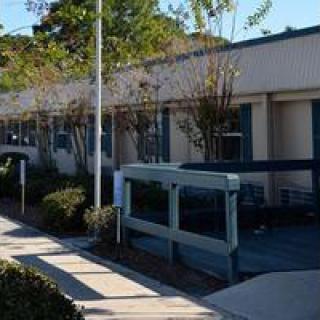

 Comprehending Evening Confusion in Dementia: Causes, Manifestations, and Support
 Delirium and Dementia: Unraveling the Key Differences
 Are Dementia and Alzheimer's Disease Lethal? A Comprehensive Exploration