
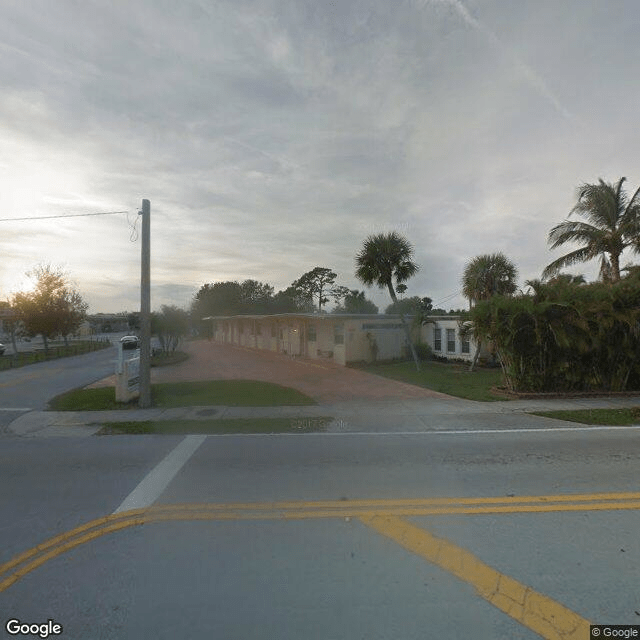
1275 North Banana River Drive, Unit 5, Merritt Island, FL 32952
For more information about senior living options: (866) 208-4318
Banana River Villas Costs & Pricing
Banana River Villas offers competitive pricing in comparison to both Brevard County and the broader state of Florida. For those seeking a semi-private accommodation, the cost is set at $3,000 per month, which is slightly below the county average of $3,027 and lower than the state average of $3,009. Similarly, for private rooms, Banana River Villas charges $4,000 monthly - this figure is above the county's average of $3,663 but remains fairly close to Florida's average of $3,699. Overall, Banana River Villas stands out for its affordability in semi-private options while still providing a range of choices that align well with local market trends.
| Floor plans | Banana River Villas | Brevard County | Florida |
|---|---|---|---|
| Semi-Private | $3,000 | $3,035 | $3,009 |
| Private | $4,000 | $3,672 | $3,699 |
Assisted Living communities with a similar price nearby
-
from +$500 / mo

The Fountains of Melbourne
$3,500 to $3,750 / month23.3 miles away -
About the same
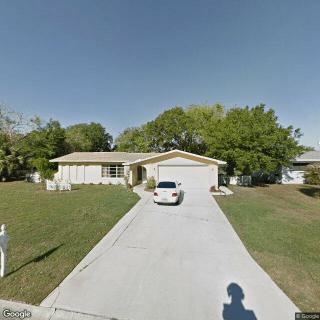
Shangri La Of Melbourne - ALF
$3,000 to $4,500 / month21.0 miles away -
from -$500 / mo

Living Southern Style Of Brevard
$2,500 to $3,500 / month5.2 miles away -
from +$98 / mo
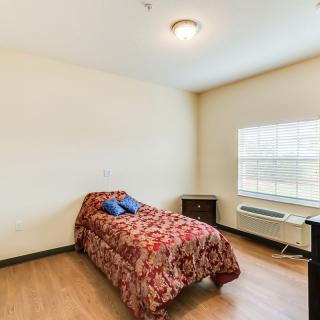
Cedar Creek Assisted Living
$3,098 to $4,831 / month4.1 miles away -
About the same

Martha's House & Assisted Living Facility
$3,000 / month10.9 miles away
Overall Review of Banana River Villas
Pros
 They had a really good tour experience.
- The community has a homey feel.
- She really likes her room.
- It seems the community is adaptive for assisted living.
- It is working out very well for her.
Cons
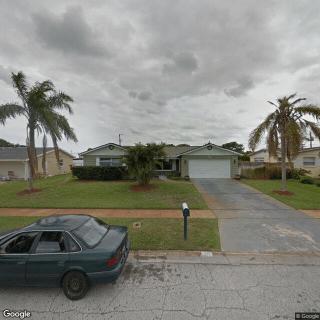
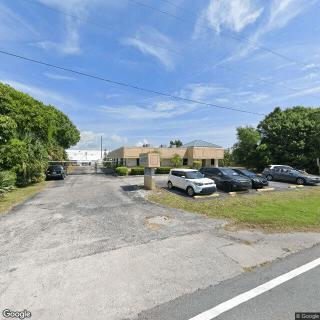
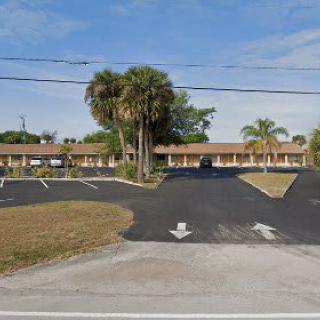
 It looks permanently closed.
- The grass has grown high.
- The business sign is gone.
- There is no one there.
Review
Banana River Villas in Merritt Island is best suited for families seeking a small, intimate, home-like assisted-living option where a loved one experiences a quiet, personalized daily rhythm. The community radiates a neighborhood feel and a homey vibe that aligns with the sense of family involvement evident in the feedback. Residents who are comfortable in a smaller setting, where staff can form closer relationships and where room assignments feel personal and cared for, are likely to thrive. The reviews imply a setting that can adapt to assisted living needs rather than a rigid, institutional program. Prospective families should expect comfort, familiar surroundings, and a personal touch over high-intensity activity or sprawling programming.
However, those prioritizing unwavering operation, robust amenities, or formalized care structures may want to explore alternatives. The most cautionary signal comes from a review noting signs of possible closure, grass grown high, a missing business sign, and no one present, which cannot be ignored, even if other comments describe a functional tour and a homey vibe. With only three reviews available, the reliability of the current status is uncertain. Families needing transparent staffing patterns, predictable maintenance, or clearly documented occupancy should consider communities with longer track records and more visible daily activity.
On the upside, the strongest apparent benefit is the environment itself: a home-like atmosphere that supports family involvement and a genuine sense of belonging. In-person tours have been described as positive experiences, and one resident’s room is praised as a source of comfort, suggesting that personal space and choice matter here. The sense that the community is adaptable for assisted living implies flexibility in care approaches, which can be crucial for residents with evolving needs or preferences. These factors help offset the small footprint by promising individualized attention, reducing the risk of impersonal treatment common in larger campuses.
Yet the drawbacks require careful weighing. The mixed signals about whether the operation remains open create a tangible risk. If the site is truly closed or in transition, the appeal of a homey, adaptable vibe collapses. Maintenance hints, tall grass, absent signage, and the impression that no one is present, could reflect budget constraints or turnover, translating into variable care quality or longer waits for services. The very small pool of public testimonials makes validating consistency difficult. For families with immediate care requirements or safety considerations, that lack of solid data becomes a decisive factor.
To decide, verify status directly, confirm current occupancy, staffing levels, and hours of operation before committing. Schedule a visit with management, request a tour that includes conversations with caregiving staff, and ask for references from other families with residents. Inspect essentials: room quality, safety features, accessibility, meal options, medication management, and daily activity opportunities. Compare with a few nearby options to benchmark cost, services, and contingency plans. If operation is stable and the vibe aligns with the positive testimonials, Banana River Villas can be a gentle, supportive home; if not, pivot quickly to alternatives with clearer continuity and reliability.
In short, Banana River Villas is not a one-size-fits-all choice. It best serves families seeking a small, residential feel where adaptability and family connections matter, and where a resident’s personal space is respected. Those needing transparent, well-documented operations, robust programming, or immediate, unquestioned availability should pursue other communities. With due diligence, status verification, in-person tours, and careful comparison against nearby options, the decision can align with a care goal that values warmth and individualized attention without sacrificing reliability.
 6 resident community capacity
 Assisted Living
 Board and Care Home
 Activities on-site
 Beautician on-site
 Cable or satellite TV
 Devotional services off-site
 Dining room
 Fully furnished
 Garden
 Housekeeping services
 Indoor common areas
 Move-in coordination
 Outdoor space
 Private
 Telephone
 Wheelchair accessible showers
 Wi-Fi/high-speed internet available
 Melbourne International (19 miles away)
 24-hour supervision
 Ambulatory care
 Assistance with bathing
 Assistance with dressing
 Assistance with transfers
 Diabetes diet
 High acuity care
 Incontinence care
 Meal preparation and service
 Medication management
 Special dietary restrictions
 Transportation arrangement (medical)
 Transportation to doctors appointments




 Exploring the Contrasts Between Assisted Living and Skilled Nursing
 8 Key Indicators That Suggest It May Be Time to Transition from Assisted Living to Skilled Nursing Care
 Vibrant Senior Living: A Comprehensive Guide for Active Older Adults