
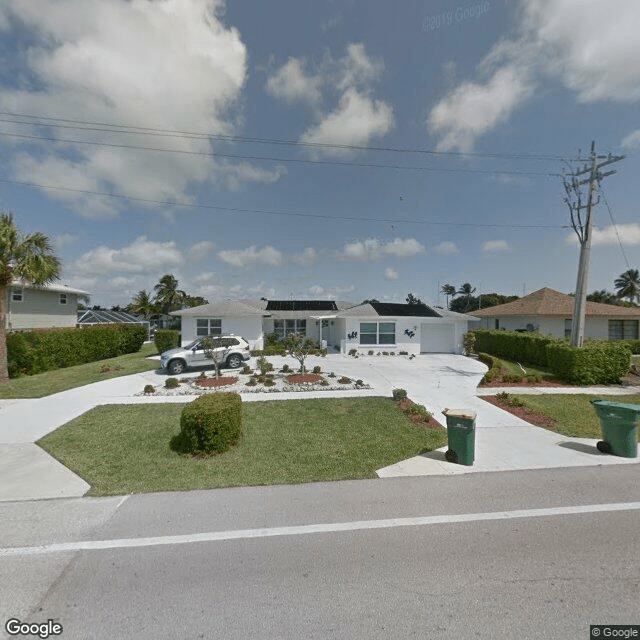
765 N Barfield Dr, Marco Island, FL 34145
To contact a resident: (239) 642-3578
For more information about senior living options: (866) 208-4318
Overall Review of Marco Island Home Care Inc
Pros
 They focus on the individual's quality of life when continuing medical treatments are no longer viable, delivering pain and symptom care with compassion, dignity, and consideration.
- They offer both in-home and inpatient care, with experienced RNs arranging home visits and physicians conducting careful assessments.
- They assemble a care team that customizes to each person's unique needs, addressing physical, emotional, and spiritual needs and assisting with daily tasks, while supplying walkers, oxygen, and other needed equipment.
- They compassionately support worried family members during a patient's care, providing emotional support and going the extra mile when needed.
- Their support has notably improved loved ones' last days, and families feel deeply grateful for the organization's help.
Review
Who this community is best suited for: This Marco Island Home Care Inc specializes for individuals with advanced illness where continued curative treatment is no longer viable, and the goal is to maximize comfort, dignity, and quality of life. The model centers on symptom relief, coordinated by an interdisciplinary team that can operate at home or in a more intensive inpatient setting. Families benefit from a consistent care approach that integrates physical care with emotional and spiritual support, and practical help with daily activities. When medical decision-making becomes complex, this choice offers a practical, compassionate pathway that keeps the patient at the center while easing caregiver stress.
Who may want to consider alternatives: Those who still prioritize aggressive treatment or curative options may need a setting that supports ongoing hospital-level interventions rather than hospice-style care. If long-term custodial care without heavy medical oversight, a social-model assisted living, or a facility dedicated to memory care or rehabilitation is preferred, this may not be the right fit. Also, families seeking a facility-based environment with structured social programming and 24/7 live-in staff in a larger campus may wish to explore other local options. Insurance coverage and out-of-pocket costs are practical considerations that can push families toward different arrangements.
Key pros and their impact: The dual in-home and inpatient option provides flexibility to match the patient’s trajectory. Experienced registered nurses arrange home visits, while physicians regularly assess and adjust care. The care team’s customization extends beyond medical needs to address emotional and spiritual concerns, and even basic chores like laundry and bathing. The inclusion of essential aids, walkers, oxygen, equipment, reduces logistical burdens and keeps the patient comfortable in familiar surroundings. The most compelling element is the steady, compassionate engagement with family members, offering emotional support when fear and uncertainty surface, which often translates into steadier overall well-being.
Main cons to weigh: The service is oriented toward palliative-focused care, so those seeking aggressive, curative pathways may feel constrained. The model relies on home or inpatient care rather than a traditional 24/7 staffed facility, which can complicate care coordination if multiple moving parts are involved or if immediate attention is needed in off-hours. Availability and coverage can vary by location and payer, and transitions to inpatient care may be required if the patient’s condition worsens. For families, travel and logistics to Marco Island can add friction, especially if a caregiver resides far away.
How the positives counterbalance the downsides: The emphasis on comfort and dignity directly offsets the lack of aggressive treatment options by giving symptom control, timely interventions, and reassurance to families. The interdisciplinary approach reduces caregiver burden by distributing tasks across nurses, physicians, and social supports, and by actively involving family in care decisions. Home-based care preserves familiar routines and reduces hospital admissions, while the option for inpatient escalation protects against gaps in coverage during crises. Equipment and practical assistance further ease daily life, making end-of-life transitions more manageable rather than chaotic.
Practical guidance for families: If the goal is to prioritize comfort, symptom relief, and compassionate support during advanced illness, this model is a strong match. Prospective clients should clarify scope and hours of in-home visits, how the inpatient option is structured, and what triggers a transition between settings. Important questions include insurance coverage, out-of-pocket costs, and how care goals are documented and reviewed. A formal assessment and care-planning session will reveal how the team will coordinate with treating physicians and hospital partners. With clear expectations and a concrete plan, families can secure steady, respectful care that honors the patient’s values and reduces the burden on loved ones.





 9 Stimulating Memory Activities for Seniors: Puzzles, Cards, and Much More
 Managing Nursing Home Expenses After Medicare Coverage Ends
 Is a Geriatric Care Manager the Right Choice for Your Family?