AJR Loving Care Alf

1680 North Maitland Avenue, Maitland, FL 32751

For more information about senior living options: (844) 490-3973

4 from 17 reviews
5 stars
12
4 stars
1
3 stars
0
2 stars
0
1 stars
4

Assisted Living Board and Care Home Respite Care

What level of care are you interested in?

Assisted Living

Memory Care

Independent Living

Skilled Nursing Facility

Continuing Care Retirement Community (CCRC)CCRC

Other


Request a tour at AJR Loving Care Alf

    Overall Review of AJR Loving Care Alf

    Pros

    • pro Providence Living at Maitland is described as a warm, home-like community where residents are treated with dignity and respect.
    • pro The staff are patient, kind, nurturing, and dedicated to the residents' total well-being.
    • pro The dining experience features nutritious, delicious meals with a nice selection.
    • pro Activities are engaging and varied, keeping residents active and socially connected.
    • pro Families report strong, ongoing communication and education for them as care partners.
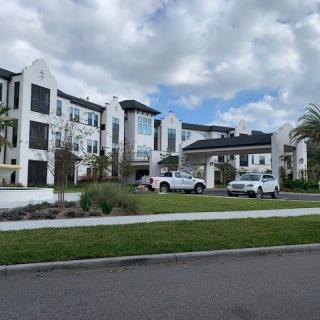
    • pro The facility is clean, modern, beautiful, and feels like a big beautiful home.
    • pro Residents often show joy, energy, and improved quality of life after moving in.
    • pro The community is described as a "big family" with staff who genuinely care.

    Cons

    • pro They say it is not a good place for a loved one, citing carelessness, terrible food, and insufficient staff.
    • pro They note that care and attention to residents deteriorated quickly after the executive director was fired.
    • pro They allege that their husband was neglected, terrorized, drugged, and hospitalized multiple times, and ultimately euthanized.
    • pro They claim guardianship arrangements gave guardians sweeping power, removed rights, and involved payments to the facility.
    • pro They report that requests for medical and billing records were denied.

    Review

    Providence Living at Maitland has inspired a wide range of emotions and stories from families who have walked through its doors. Across the board, residents and their loved ones describe a warm, home-like atmosphere that feels more like a close-knit family than a traditional care facility. The reviews repeatedly emphasize a team that is not just performing tasks, but truly caring for people as individuals. The setting is portrayed as clean, inviting, and thoughtfully designed, where the environment itself reinforces a sense of safety, dignity, and belonging.

    Many families recount a seamless and comforting transition for loved ones with memory-related challenges. One resident's experience stands out: the move was described as smooth and easy for both him and his family, and he quickly felt at home with staff who greeted him with a personal touch. The staff aren't just seen as caregivers; they are described as part of a big, supportive family that includes the front desk, office personnel, chefs, cleaners, maintenance staff, activities coordinators, hairdressers, therapists, and nurses. The sense that everyone from various roles contributes to a cohesive, compassionate community is a common thread, with some even noting the unexpected joy of interactions with local schoolchildren who visit weekly.

    The commitment to high-quality care is consistently linked to exceptional service and robust engagement. Reviewers highlight not only attentive direct care but also meaningful programming and daily activities that keep residents involved, active, and connected. Dining receives particular praise for variety and quality, while the facilities themselves are described as immaculate and well-maintained. Families speak of easy visitations and open lines of communication with staff, appreciating ongoing education for families and timely updates about their loved ones' well-being. In short, Providence Maitland is celebrated for creating a sense of purpose, dignity, and daily joy for residents living with dementia and other aging-related needs.

    A number of testimonials focus on the positive personal transformations families observe. For many, the years-long journey of dementia or stroke-related changes has been met with renewed energy, engagement, and happiness in the Providence environment. One reviewer notes real, observable improvements in mood and liveliness, with their loved one appearing more connected and content. Descriptions of "joy in her eyes," laughter, and living life to the fullest are common, underscoring how thoughtfully designed activities - arts and crafts, exercise, music, and games - help residents thrive at their own pace. The staff's demeanor - patient, kind, nurturing, and respectful - is repeatedly highlighted as central to these positive experiences.

    The stories also speak to the broader sense of community Providence Maitland fosters. Families express gratitude for the way staff members treat residents with dignity and respect, treating each person as if they were a member of the staff's own family. The environment is framed as more than a place to live; it is a home where residents feel seen, valued, and cared for by a team that appears highly selective and dedicated. Several accounts emphasize ongoing family education and clear, proactive communication, which helps families feel informed and involved in care decisions. In these narratives, Providence Maitland emerges as a sanctuary where residents have purpose, companionship, and a sense of belonging.

    Amid the strong positive experiences, there is a starkly contrasting account that deserves careful attention. One reviewer presents a troubling portrayal of deterioration in care, asserting that the facility's quality declined after the departure of a previously acclaimed executive director. According to this account, safety and well-being suffered, leading to the difficult decision to move a loved one for safety reasons. The reviewer alleges neglect, sedation, hospitalizations, and multiple devastating health events, followed by restricted visitation and disputes over guardian arrangements and access to medical and billing records. The accusations extend to specific individuals and involve claims about guardianship practices and alleged fraud. It is important to note that these are serious allegations presented by one reviewer, and they reflect a perspective that contrasts sharply with the overwhelmingly positive experiences described by others.

    In addition to these concerns, the reviews include supportive mentions of staff members who have gone above and beyond to collaborate with families and external professionals. For example, Samantha Hollister is singled out for her responsiveness and efficiency in obtaining information that helps keep clients satisfied and thriving. Other families insist that the positive experiences with Providence Maitland are genuine and enduring, with someone noting that their mother's transition and ongoing care have been consistently positive, thanks to attentive staff, stimulating programming, and a home-like atmosphere that makes Providence Maitland a place they trust and value deeply.

    Taken together, the collection of reviews paints a complex, multi-faceted portrait of Providence Living at Maitland. The majority story is one of a warm, well-run community where residents are treated with respect and dignity, where staff across roles create a family-like network, and where meaningful activities, quality dining, and clean, inviting surroundings contribute to improved quality of life for those living with dementia or other aging-related needs. At the same time, there exists a sobering narrative about concerns regarding changes in leadership and perceived lapses in care and oversight, underscoring the importance of ongoing transparency, accountability, and vigilant attention to residents' safety and well-being. For families considering this community, the messages converge on one central theme: Providence Maitland holds the potential to be a nurturing home that fosters joy, connection, and compassionate care, while also reminding prospective residents and their loved ones to conduct thorough, personalized evaluations and to seek clarity on governance and care practices to ensure peace of mind.

    Features

    Housing

    • 5 resident community capacity 5 resident community capacity

    Types of Care

    • Assisted Living Assisted LivingAssisted living facilities provide crucial support and care for seniors who may need help with daily tasks such as medication management, bathing, and meal preparation. These communities offer a safe and comfortable environment where seniors can maintain their independence while receiving the assistance they need to thrive in their golden years.
    • Board and Care Home Board and Care HomeBoard and care homes provide a smaller, more intimate setting for seniors who require assistance with daily tasks but do not need the level of care offered by a nursing home. They offer personalized care, meals, and social activities in a homelike environment, ensuring that seniors receive individualized attention and support in their golden years.
    • Respite Care Respite CareRespite care provides temporary relief for caregivers, allowing them to recharge and attend to their own needs. It also gives seniors the opportunity to socialize, receive professional care, and experience a change of scenery, promoting overall well-being and reducing feelings of isolation.

    Amenities

    • Cable or satellite TV Cable or satellite TVCable or satellite TV is important for seniors because it provides entertainment, news, and companionship, helping to combat loneliness and boredom. It also offers a wide range of programming options tailored to different interests and preferences.
    • Dining room Dining roomDining rooms are important for seniors as they provide a space for socialization, connection, and nutritious meals. They offer opportunities for residents to bond over shared meals, foster a sense of community, and promote healthy eating habits. Dining rooms also ensure that seniors have access to well-balanced meals tailored to their dietary needs and preferences.
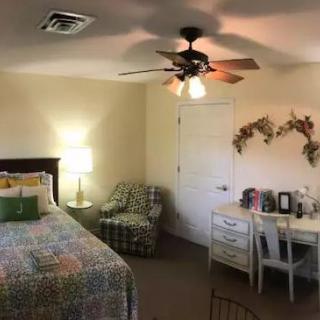
    • Fully furnished Fully furnishedFully furnished senior living communities are important for seniors because they provide convenience, comfort, and a hassle-free moving experience. Seniors can easily settle into their new living space without the stress of having to buy and move furniture. This allows them to focus on enjoying their new home and community.
    • Garden GardenGardens are important for seniors as they provide a peaceful and therapeutic environment for relaxation, physical activity, and socialization. Being in nature has been shown to reduce stress, improve mood, and promote overall well-being. Gardens also offer opportunities for seniors to engage in gardening activities, which can improve mobility, flexibility, and cognitive function. Additionally, gardens create a sense of community and connection with others who share a passion for plants and outdoor spaces.
    • Housekeeping services Housekeeping servicesHousekeeping services are important for seniors because they help maintain a clean and safe living environment, promote independence, and reduce the risk of accidents or illnesses. Additionally, having assistance with household chores can alleviate physical strain and allow seniors to focus on other aspects of their well-being.
    • Move-in coordination Move-in coordinationMove-in coordination is important for seniors because it helps ease the transition into their new living environment. It ensures that all logistics, such as packing, organizing movers, and setting up utilities are taken care of, allowing seniors to focus on settling in and adjusting to their new home. Having a smooth move-in process can alleviate stress and anxiety, making the transition smoother and more enjoyable for seniors.
    • Outdoor space Outdoor spaceOutdoor spaces are important for seniors as they provide opportunities for physical activity, social interaction, exposure to natural light and fresh air, and a sense of connection to nature. Having access to outdoor spaces can improve overall well-being and quality of life for older adults living in senior communities.
    • Telephone TelephoneTelephones are important for seniors as they provide a lifeline for communication with loved ones, emergency services, and healthcare providers. They offer a sense of security and independence, enabling seniors to stay connected and access assistance when needed.
    • Wi-Fi/high-speed internet available Wi-Fi/high-speed internet availableWi-Fi/high-speed internet is important for seniors to stay connected with loved ones, access online resources, and participate in virtual activities to combat feelings of loneliness and isolation. It also allows them to easily manage healthcare needs, access entertainment, and engage in lifelong learning opportunities.

    Transportation

    • Orlando International (15 miles away) Orlando International (15 miles away)

    Care Services

    • 24-hour supervision 24-hour supervision24-hour supervision is important for seniors to ensure their safety, well-being, and access to immediate assistance in case of emergencies or health issues. This constant support provides peace of mind for both seniors and their loved ones, allowing them to age in place with dignity and security.
    • Activities of daily living assistance Activities of daily living assistanceActivities of daily living assistance are important for seniors because they provide essential support with tasks such as eating, bathing, dressing, and mobility. This assistance helps seniors maintain their independence, dignity, and overall quality of life as they age.
    • Assistance with bathing Assistance with bathingAssistance with bathing is crucial for seniors as it helps maintain personal hygiene, prevents infections, and ensures their overall well-being and comfort. It also provides a sense of dignity and independence for seniors who may struggle with this task on their own.
    • Assistance with dressing Assistance with dressingAssistance with dressing is important for seniors because it helps maintain their independence, promotes personal hygiene, prevents accidents and injuries, and improves overall quality of life. This service ensures that seniors can continue to dress comfortably and confidently, despite any physical limitations they may have.
    • Assistance with transfers Assistance with transfersAssistance with transfers is crucial for seniors as it helps prevent falls and injuries, maintains their independence, and ensures they can safely navigate their living environment. It also provides peace of mind for both seniors and their loved ones.
    • Coordination with health care providers Coordination with health care providersCoordination with health care providers is crucial for seniors to ensure proper medical care, medication management, and overall well-being. This collaboration helps prevent overlapping treatments, track progress more effectively, and provide comprehensive support tailored to individual needs.
    • Diabetes diet Diabetes dietA diabetes diet is crucial for seniors as it helps manage blood sugar levels, reduce risks of complications, and improve overall health and well-being. By following a balanced and nutritious diet tailored to their specific needs, seniors can better control their diabetes and enhance their quality of life.
    • Meal preparation and service Meal preparation and serviceMeal preparation and service are crucial for seniors as they may have limited mobility or energy to cook nutritious meals. Having access to healthy and convenient food options can ensure they are getting the proper nutrition needed to maintain their overall health and well-being.
    • Medication management Medication managementMedication management is crucial for seniors to ensure they are taking the right medications at the correct dosages and times. This helps prevent adverse drug interactions, reduces the risk of medication errors, and promotes overall health and well-being. Proactive management also allows for adjustments as needed based on changing health conditions or new prescriptions.
    • Special dietary restrictions Special dietary restrictionsSpecial dietary restrictions are important for seniors because age-related changes in metabolism and health conditions can make it difficult for their bodies to process certain foods. By following a diet tailored to their specific needs, seniors can maintain their overall health and well-being, manage chronic conditions, and reduce the risk of complications such as malnutrition or food interactions with medications.
    • Transportation arrangement (medical) Transportation arrangement (medical)Transportation arrangements for medical purposes are essential for seniors as they may have difficulty driving themselves to appointments or accessing public transportation. Having reliable and safe transportation options ensures that seniors can receive timely medical care and maintain their health and well-being.
    • Transportation to doctors appointments Transportation to doctors appointmentsTransportation to doctors' appointments is crucial for seniors as it ensures they have access to necessary medical care and support for their health needs. Without reliable transportation, seniors may struggle to attend important appointments, leading to potential delays in treatment and health complications. Providing transportation services helps seniors maintain their overall well-being and quality of life.

    Dining

    • Diabetes diet Diabetes dietA diabetes diet is crucial for seniors as it helps manage blood sugar levels, reduce risks of complications, and improve overall health and well-being. By following a balanced and nutritious diet tailored to their specific needs, seniors can better control their diabetes and enhance their quality of life.
    • Special dietary restrictions Special dietary restrictionsSpecial dietary restrictions are important for seniors because age-related changes in metabolism and health conditions can make it difficult for their bodies to process certain foods. By following a diet tailored to their specific needs, seniors can maintain their overall health and well-being, manage chronic conditions, and reduce the risk of complications such as malnutrition or food interactions with medications.

    Activities

    • Community-sponsored activities Community-sponsored activitiesCommunity-sponsored activities are important for seniors as they provide opportunities for social interaction, mental stimulation, and physical activity. These activities can help improve overall well-being, combat loneliness and isolation, and promote a sense of belonging and purpose among older adults.
    • Scheduled daily activities Scheduled daily activitiesScheduled daily activities are important for seniors because they provide structure, socialization, mental stimulation, and physical activity. Engaging in regular activities can improve overall well-being and quality of life for seniors living in a community setting.

    Description

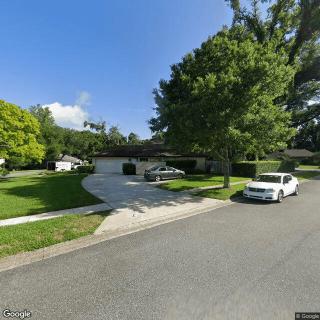
    AJR Loving Care Alf is an exceptional assisted living community located in the charming city of Maitland, FL. Our community is dedicated to providing top-notch care and support to seniors in a warm and welcoming environment. We offer a range of care services, including board and care home options as well as respite care for those in need of temporary assistance.

    At AJR Loving Care Alf, we understand the importance of maintaining a comfortable and enjoyable lifestyle. That's why our community is equipped with various amenities to cater to our residents' needs. Our dining room provides nutritious and delicious meals prepared by our skilled staff, with special dietary restrictions taken into consideration. Each living space is fully furnished for convenience, and high-speed internet access is available throughout our community.

    We also prioritize the overall well-being and happiness of our residents by offering engaging activities on a daily basis. From scheduled activities to socialize with fellow residents to nearby cafes, parks, theaters, and places of worship, there are plenty of opportunities for recreation and entertainment nearby.

    Our compassionate team at AJR Loving Care Alf understands that personalized care is essential for each resident's unique needs. We provide assistance with activities of daily living such as bathing, dressing, and transfers to ensure maximum comfort and independence. Our staff will coordinate with health care providers for any additional medical needs or medication management required.

    In terms of convenience, we make transportation arrangements for medical visits as well as doctors' appointments. With multiple pharmacies nearby, obtaining medications is hassle-free for residents.

    Overall, AJR Loving Care Alf offers a safe and supportive environment where seniors can thrive while receiving the highest quality of care. Families can have peace of mind knowing their loved ones are in good hands within close proximity to various amenities like restaurants, hospitals, public transportation options, making it easy to access essential services.

    Nearby Places of Interest

    Physicians

    • Central Florida Endocrine (0.8 miles)
    • Altamonte Family Practice (1.1 miles)
    • Florida Eye Clinic (1.3 miles)
    • Ear Nose Throat Surgical Associates (1.4 miles)
    • RDV Sportsplex Pediatrics (2.2 miles)
    • Cabrera, Alicia Neurology of Central Florida (2.8 miles)
    • Orlando Heart Specialists (2.8 miles)

    Restaurants

    • Kappy's (0.9 miles)
    • Miller's Ale House - Altamonte Springs (1.6 miles)
    • An Tobar (1.8 miles)
    • McDonald's (2 miles)
    • Chick-Fil-A (2 miles)
    • Twin Peaks (2.1 miles)
    • The Cheesecake Factory (2.8 miles)

    Pharmacies

    • Walgreens (1.2 miles)
    • Walgreens (1.3 miles)
    • Walgreens (1.3 miles)
    • CVS Pharmacy (2.2 miles)
    • Walgreens (2.6 miles)
    • Walmart Pharmacy (2.7 miles)
    • CVS Pharmacy (2.7 miles)

    Transportation

    • Altamonte Springs SunRail Station (1.5 miles)
    • Lynx Central Station (6.7 miles)

    Hospitals

    • Florida Hospital Altamonte (1.5 miles)
    • Adventist Health System (3 miles)
    • Winter Park Memorial Hospital (3.9 miles)
    • FH Engineering Services (4.7 miles)
    • Florida Hospital (4.7 miles)
    • Florida Hospital- South Campus (4.7 miles)
    • Florida Hospital Womens Center (4.8 miles)

    Cafes

    • Starbucks (1.7 miles)
    • The Glass Knife (3.3 miles)
    • Starbucks (4.9 miles)
    • Starbucks (6.2 miles)
    • Lineage Coffee Roasting (6.2 miles)

    Theaters

    • AMC Altamonte Mall 18 (1.8 miles)
    • Regal Winter Park Village & RPX (2.9 miles)
    • Regal Wekiva Riverwalk (6.8 miles)

    Parks

    • Cranes Roost Park (1.9 miles)
    • Blue Jacket Park (5 miles)
    • Lake Eola Park (6.9 miles)
    • Wekiwa Springs State Park (7.5 miles)

    Places of Worship

    • Orlando Filipino Seventh-Day Adventist Church (4.8 miles)

    Frequently Asked Questions

    Where is AJR Loving Care Alf?

    Nearby Communities

    Related Resources

    • activities of daily livingComprehensive Insights into Activities of Daily Living (ADLs) and Their Assessment

      Activities of Daily Living (ADLs) are fundamental tasks vital for an individual's independence, particularly in older adults over 85, and include functions like bathing and dressing; assessing ADLs alongside Instrumental Activities of Daily Living (IADLs) helps determine the level of required assistance due to age-related health challenges. Tailored support plans, involving family and community resources, are essential for maintaining dignity and autonomy in assisted living environments.

    • does medicare pay for assisted livingMedicare Coverage for Assisted Living: An In-Depth Exploration

      Medicare does not cover assisted living costs, as it focuses on acute medical needs and short-term care, with exceptions for certain medically necessary services like physical therapy. Individuals must explore other options such as Medicaid, veterans' benefits, or long-term care insurance to manage these expenses effectively.

    • assisted living vs nursing homeChoosing the Right Senior Care: A Detailed Exploration of Assisted Living and Nursing Homes

      Choosing between assisted living and nursing homes involves evaluating emotional and financial factors, with assisted living offering independence and support for daily activities at a lower cost, while nursing homes provide intensive medical care for individuals with significant health needs. The decision is influenced by personal preferences, health status, cognitive function, and varying Medicaid coverage across states.


    Get Pricing Ask A Question Schedule A Tour Contact Senior Advisor