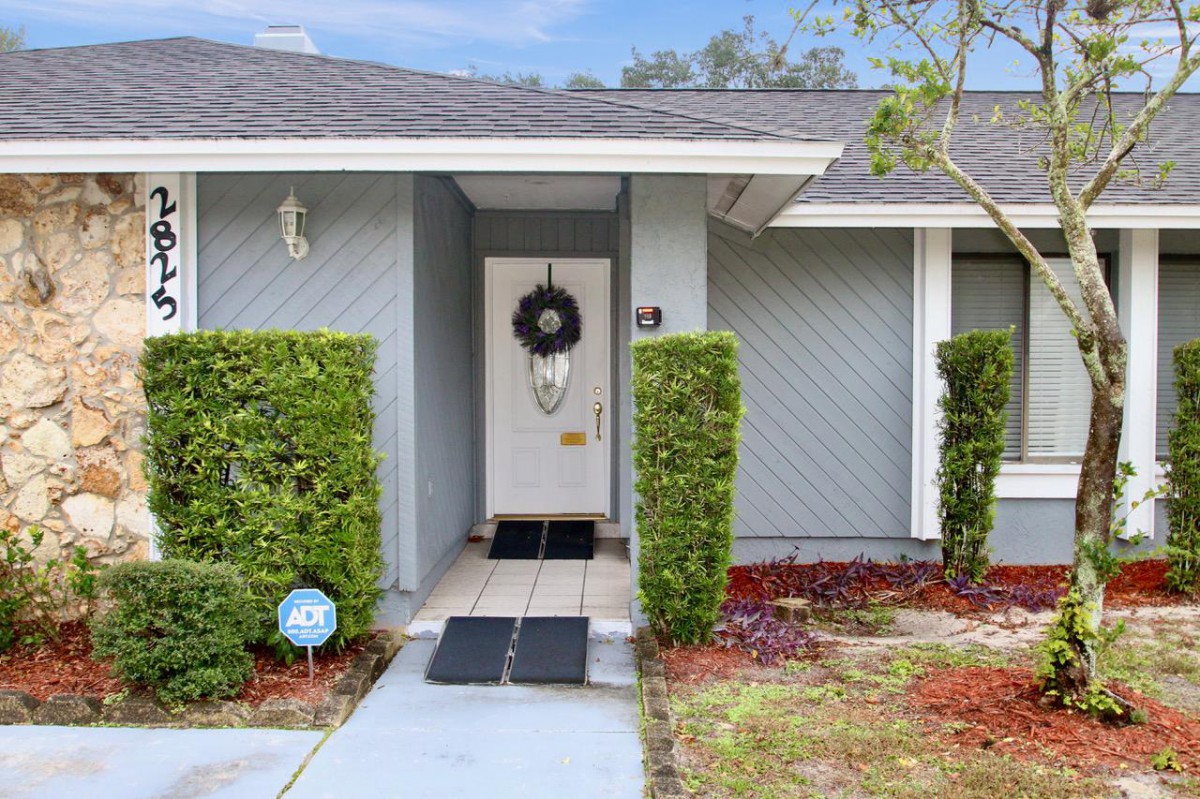



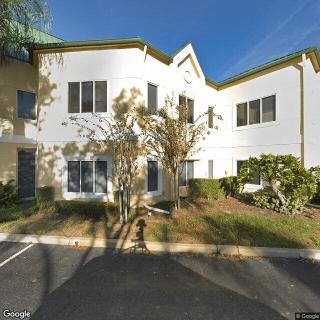
2825 Waldens Pond Cove, Longwood, FL 32779
For more information about senior living options: (866) 208-4318
Zohra Seniors Care Costs & Pricing
Zohra Seniors Care offers competitive pricing for its services compared to both Seminole County and the broader state of Florida. For semi-private rooms, Zohra's monthly charge is $3,000, which is notably lower than the county average of $3,524 and slightly above the state average of $3,009. In terms of private accommodations, Zohra's rate stands at $4,000, which exceeds both Seminole County's average of $3,953 and Florida's average of $3,699. This positioning reflects a commitment to providing quality care while remaining mindful of financial accessibility for residents and their families in a market where costs can vary significantly.
| Floor plans | Zohra Seniors Care | Seminole County | Florida |
|---|---|---|---|
| Semi-Private | $3,000 | $3,524 | $3,009 |
| Private | $4,000 | $3,953 | $3,699 |
Assisted Living communities with a similar price nearby
-
from -$200 / mo

DeLand Manor Assisted Living
$2,800 to $3,600 / month20.1 miles away -
from +$500 / mo

Windermere Assisted Living Facility
$3,500 to $4,500 / month22.9 miles away -
from -$400 / mo
Faith House Of Winter Park
$2,600 to $3,100 / month9.4 miles away -
from -$205 / mo

American House Orange City
$2,795 to $4,355 / month13.2 miles away -
from +$295 / mo
Marina Isle Assisted Living
$3,295 to $6,190 / month8.1 miles away
Overall Review of Zohra Seniors Care
Pros
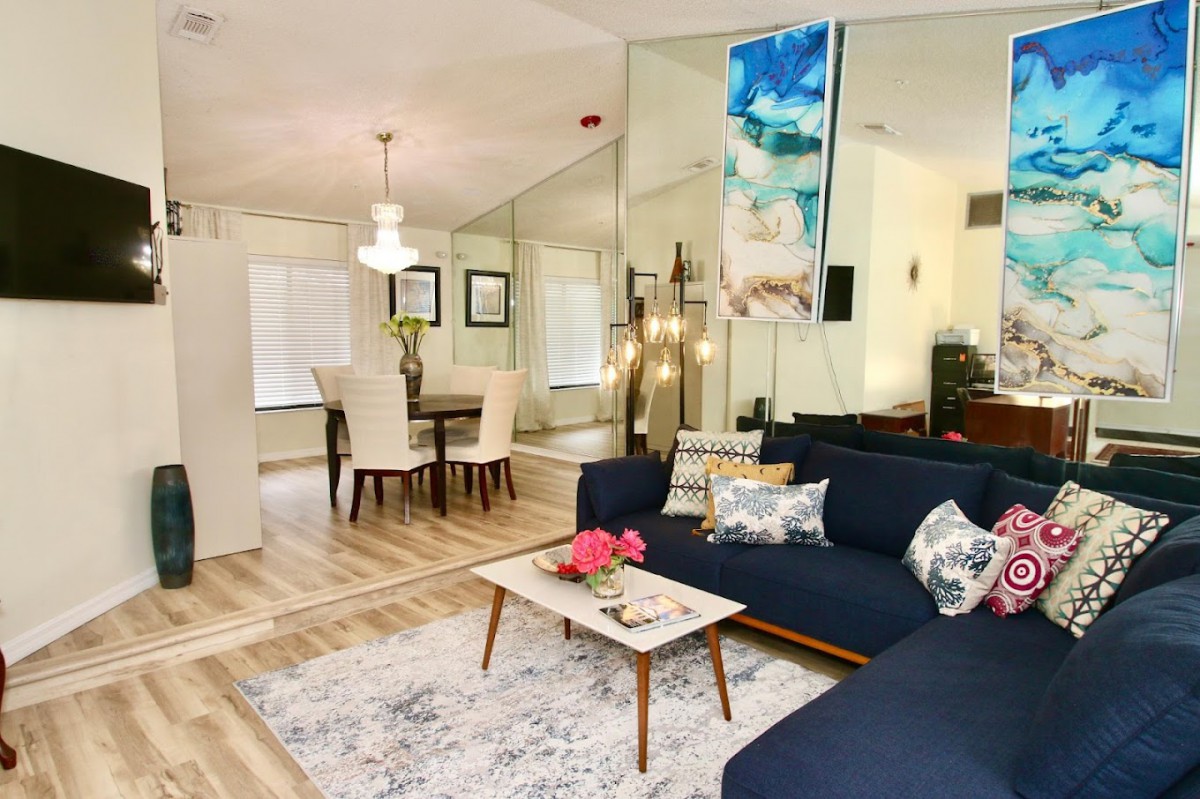
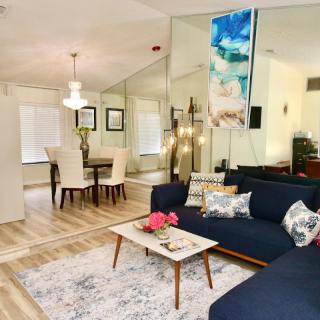
 Taj was very nice and her place was a nice home, well decorated and homey.
- Taj seems to be an awesome person.
- A thinks this is a nice place.
Cons
 They were unsure about placing mom there after the visit because the residents didn’t seem to have any scheduled activities and were just sitting around watching TV.
- They felt that placing mom in a facility would only set her back a lot.
- They decided not to place mom there for now and would look for ways to get some breaks from caregiving.
Review
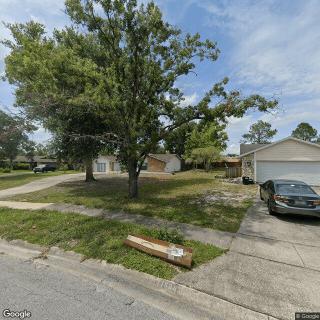
Zohra Seniors Care in Longwood is best suited for seniors who want a small, homelike setting where care feels personal and neighbors know one another. It works well for families seeking direct, ongoing access to a caregiver-operator who can form a close, day-to-day relationship with residents. This option shines for those who value quiet routines, a homey atmosphere, and the reassurance that a private home with a yard can offer. However, it is not the right fit for families prioritizing heavily scheduled programming, active social calendars, or robust medical oversight. For those needs, exploring alternatives with more structured activities and formal staffing will be prudent. The price point, roughly $1,500 per month, positions this option as an affordable, low-key entry into paid caregiving in a home environment.
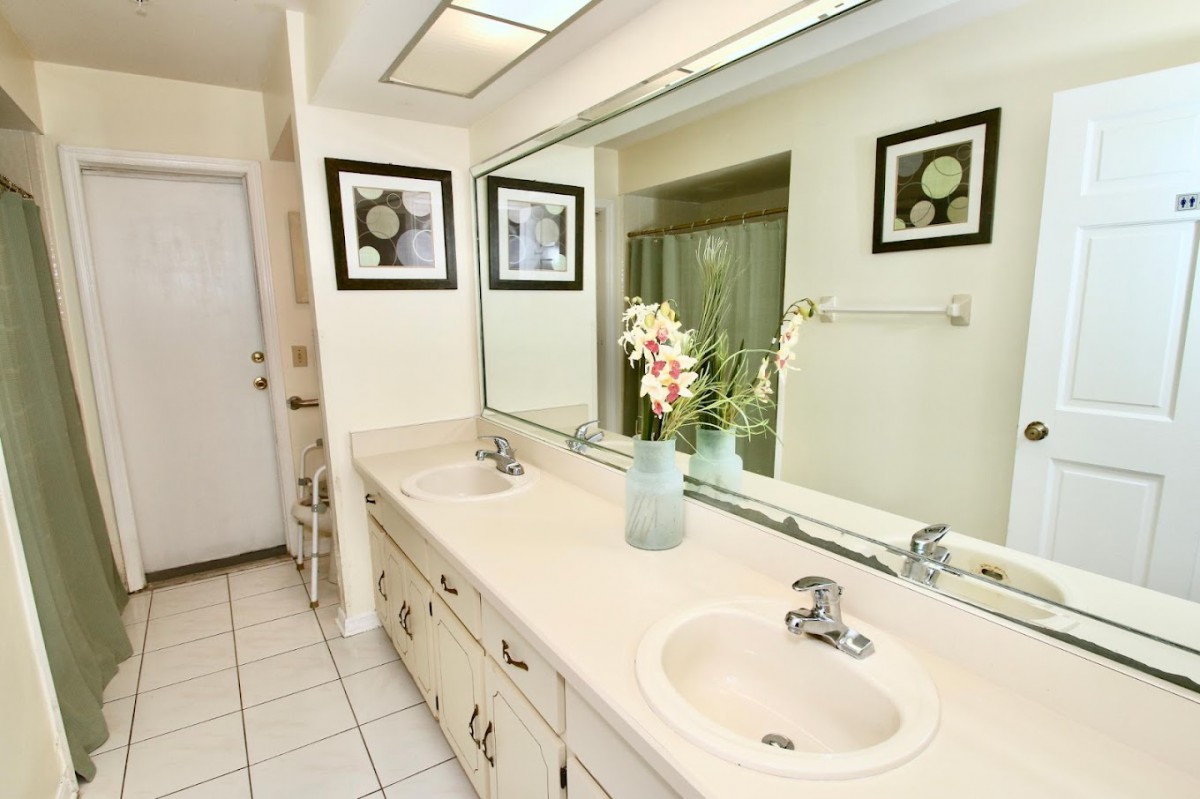
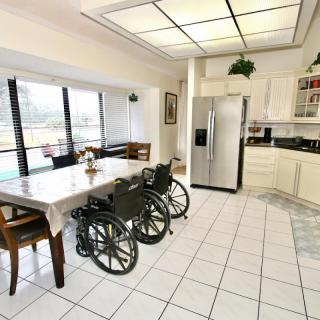
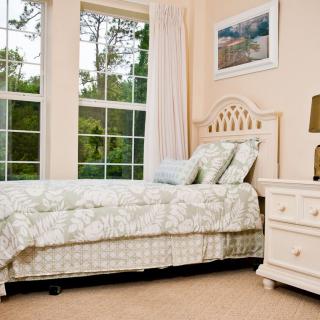
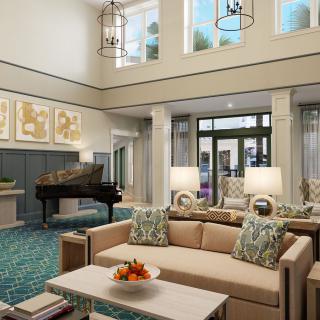
The strongest positives are tangible in the setting and the people. The home is described as nice, well decorated, and clearly designed to feel like a living space rather than an institution. Five residents create a compact, intimate community where neighbors can know one another and caregivers can keep a close eye on safety and well-being. Taj emerges as a central asset, a kind, capable operator whose warmth and approach can make family conversations about care feel more manageable. The presence of a dedicated staff member assisting during family visits signals a level of attentiveness that many families look for when choosing a smaller, in-home option. For families prioritizing personal connection and a familiar, nonclinical vibe, these are meaningful advantages.
Yet there is a clear tension between the appealing homestead atmosphere and the lack of structure noted during visits. Reports indicate residents appeared to be idle for portions of the day, with activities not clearly scheduled and time spent watching television. That lack of formal programming can leave a gap in cognitive and social stimulation, particularly for seniors who thrive on routine, purpose, and organized engagement. The impression that the day-to-day rhythm is loosely defined raises legitimate concerns about long-term fulfillment, progression, and consistency in daily care. For families weighing care quality against comfort, this is the central trade-off: a warm, intimate setting versus the risk of too little scheduled activity.
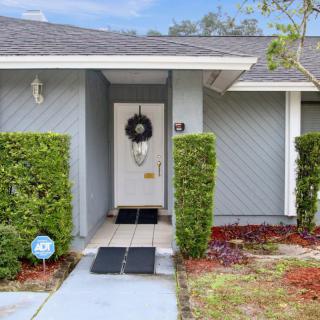
These trade-offs matter because the practical benefits of a small, home-based model can offset certain drawbacks if approached with clear expectations and proactive planning. The tight resident pool supports personalized attention, easy communication with Taj, and a high degree of flexibility in meeting individual preferences. The yard and neighborhood context add a valued sense of normalcy and outdoor time, which can contribute to mood and mobility. Cost efficiency is another practical plus; at a modest monthly rate, families may access personalized care without the premium price tags associated with larger communities. When reassurance comes from visible caregiver engagement and a comfortable home environment, the pros can convincingly counterbalance the sparse programming, provided appropriate activity strategies are implemented.
For families leaning in this direction, there are concrete steps to maximize fit. Request a clear, written daily schedule that outlines activities, meals, and any outings or in-house events. Ask Taj to describe how care plans are developed and updated, including medication management, assistance with daily living tasks, and emergency procedures. Consider arranging a trial period or multiple visits on different days to observe how residents engage, how the staff responds, and whether there are natural opportunities for meaningful engagement. If social stimulation and structured programming are essential, pair this option with external day programs or volunteer-led activities to bridge the gap, while using the intimate setting to monitor comfort and safety closely.
In the final assessment, Zohra Seniors Care serves a very specific niche: a warm, home-like environment with personal attention and reasonable cost, ideal for families who prize stability, privacy, and a direct caregiver-facing model over formalized activity schedules. It is not the best match for those who require robust activity calendars, diverse programming, or intensive medical oversight on a daily basis. Pros, homey ambiance, small, manageable size, and Taj’s evident dedication, can offset the main drawback if care goals align with a calm, individualized routine and if structured engagement is added through external resources. For families evaluating options, this community should be at the top of the list only when those conditions hold true and when one is comfortable cultivating daily structure outside the home setting.
 6 resident community capacity
 Assisted Living
 Board and Care Home
 Day Program
 Air-conditioning
 Cable or satellite TV
 Devotional services off-site
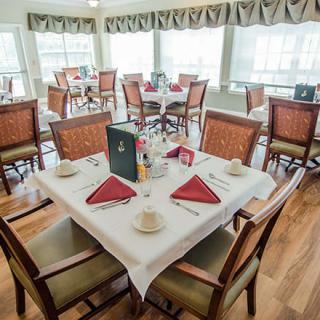
 Dining room
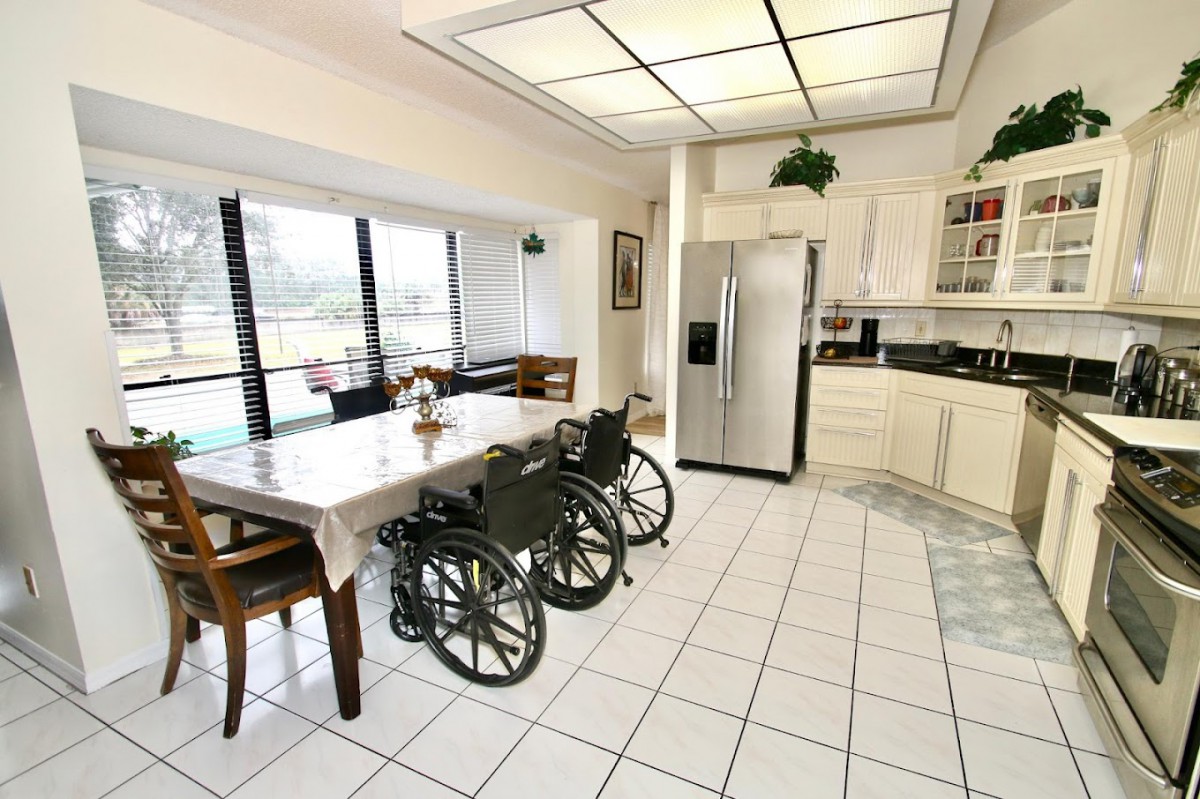
 Full kitchen
 Fully furnished
 Garden
 Ground floor units
 Handicap accessible
 Housekeeping services
 Indoor common areas
 Move-in coordination
 Outdoor common areas
 Private
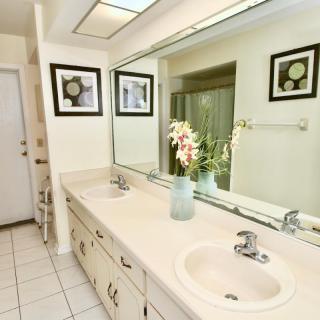
 Private bathrooms
 Telephone
 Wheelchair accessible showers
 Wi-Fi/high-speed internet available
 Orlando International (22 miles away)
 24-hour supervision
 Ambulatory care
 Assistance with bathing
 Assistance with dressing
 Assistance with transfers
 Diabetes diet
 Diabetic care
 Incontinence care
 Meal preparation and service
 Medication management
 Special dietary restrictions
 Transportation arrangement (medical)
 Transportation to doctors appointments
 Birthday parties

 Medicare Coverage for Assisted Living: An In-Depth Exploration
 Choosing the Right Senior Care: A Detailed Exploration of Assisted Living and Nursing Homes
 Understanding the True Cost of Assisted Living in 2025: A Comprehensive Guide