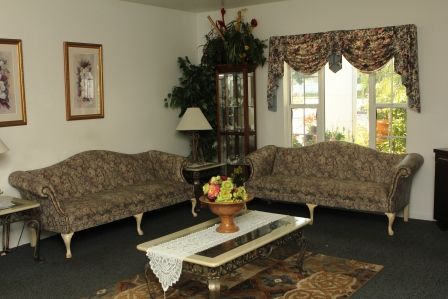
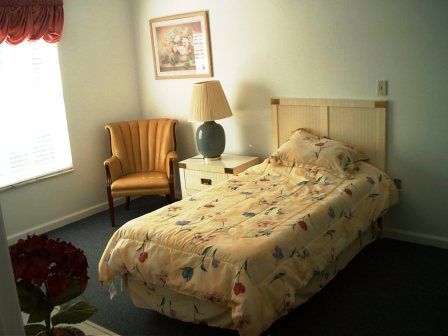

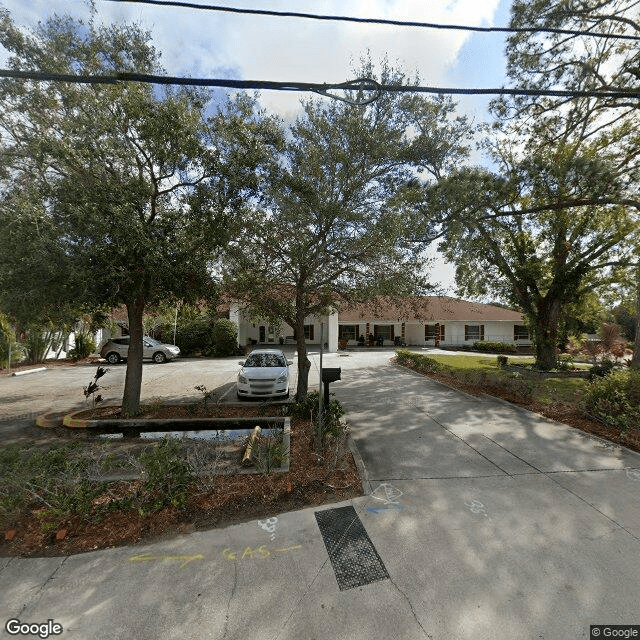
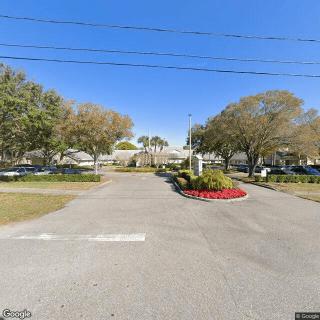
1833 Seminole Boulevard, Largo, FL 33778
For more information about senior living options: (866) 208-4318
Overall Review of Royal Oaks Manor
Pros
 Marie and Patrick are described as the most caring, loving, and honest owners.
 - The facility is praised as exemplary, clean, and run by God-loving owners in a warm environment.
- The food is described as excellent and home-cooked.
- The staff are warm, friendly, and attentive, making residents feel like family.
- The center is noted for helpful services, including rides to stores, haircuts, and personal supplies.
- The community is conveyed as safe, supportive, and grateful for the care provided.
- Recent improvements, such as a new roof and updated flooring, are highlighted as enhancing the living experience.
- The overall atmosphere is described as blessed, welcoming, and like home.
Cons
 The food is awful.
- The owners' sole concern is the bottom dollar.
- Marie speaks to residents in a disrespectful tone when no one else is listening.
- The staff have spoken to residents disrespectfully and failed to properly administer medications, resulting in a resident ending up in the hospital.
- It’s suggested that next time someone could end up killed due to neglect.
- Some health-care staff have been described as abusive or neglectful toward patients.
Review
Royal Oaks Manor in Largo, FL is best suited for families seeking a warm, intimate, family-run assisted living where owners are visibly involved and residents are treated like members of a extended family. It works well for seniors who want daily attentiveness, home-style meals, and reliable help with transportation and daily routines, all within a small-community feel. Those who prize a faith-friendly, community-oriented atmosphere and a facility that feels like a residence rather than a corporate campus will likely find this option appealing. This is not a sterile, impersonal environment; it is a hands-on setting where the people at the top are part of the daily fabric.
The strongest positives center on care through leadership, cleanliness, and personal touch. Reviewers consistently highlight Marie and Patrick as genuinely caring, honest, and approachable owners who put residents first. The environment is described as clean, credible, and home-like, with staff and management that feel more like family than corporate administrators. Residents praise home-cooked meals that have become a standout feature after adjustments by the owners, along with practical benefits such as transportation to errands, appointments, and voting. Frequent mentions of personal touches, haircuts, individualized attention, and ready willingness to accommodate requests, underscore a culture that values dignity and day-to-day comfort. Improvements and upkeep, recent updates to flooring, a new roof, and careful maintenance, reinforce the sense that this is a care setting that invests in the resident experience.
Nevertheless, the community carries meaningful cautions that families cannot overlook. There are credible reports of medication-management lapses, including a situation where a resident’s meds were not entered into the system and a week passed without proper oversight. Such instances raise legitimate questions about oversight protocols and the reliability of clinical processes in a small, owner-led operation. A segment of reviews also portrays concerns about the tone and approach of ownership at times, with residents or family members feeling the leadership may prioritize the financial side or speak in a brisk manner. Food quality is not universally praised across all accounts, with at least one review characterizing meals as poor, which matters when the dining experience is a central part of daily life in a small community. Taken together, these red flags point to a facility that shines in warmth and attentiveness but struggles at times with consistent clinical discipline and respectful, professional communication.
The key pros do offset some of the main cons when properly managed, but not perfectly. The direct involvement of owners plus the close-knit staff creates a high-caliber sense of belonging and rapid responsiveness to requests, which can offset occasional gaps in formal systems. Cleanliness and a lived-in, cared-for atmosphere help residents feel secure and comfortable, while the strong meal program and personal services reduce the need for external arrangements. However, the risk of inconsistent medication oversight and uneven staff interactions cannot be dismissed, and these issues can erode trust quickly if not proactively addressed. For families willing to engage in ongoing oversight, regular visits, careful review of medication administration practices, and clear, documented care plans, this setting can deliver meaningful daily quality of life that larger facilities sometimes struggle to match.
For those who should consider alternatives, this is most prudent for residents with complex medical needs or those requiring stringent, consistent clinical oversight. If dependable medication management, formal nursing protocols, and uniformly respectful staff interactions are non-negotiable, a larger, more structured facility or a community with dedicated nursing supervision may be a safer fit. Families who fear that the bottom-line focus could overshadow resident welfare, or who want consistently polished dining experiences and predictable service standards, may find other options that deliver more uniform professional systems without sacrificing warmth. Memory care needs or higher-acuity care trajectories will also expand the case for alternative communities with specialized programs and certifications.
In the end, Royal Oaks Manor presents a compelling case for families prioritizing warmth, personal connections, and hands-on leadership. It rewards those who engage actively in the care plan, verify medication procedures, and evaluate the interpersonal culture alongside everyday conveniences like meals and transportation. A well-informed visit, meeting Marie and Patrick, reviewing current medication management practices, and assessing staff dynamics, will reveal whether the balance of heart and rigor aligns with a given senior’s needs. For the right resident, this community can feel like an extension of home; for others, it may be wise to explore options that emphasize tighter clinical oversight and consistently respectful care as the baseline.
 36 resident community capacity
 Assisted Living
 Respite Care
 Activities on-site
 Air-conditioning
 Beauty salon
 Cable or satellite TV
 Computer center
 Devotional services off-site
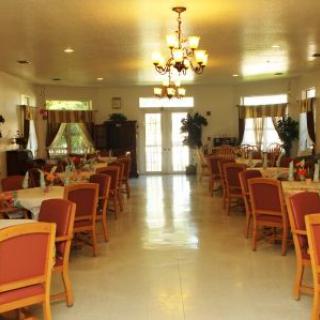
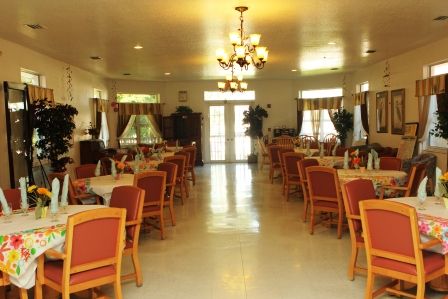
 Dining room
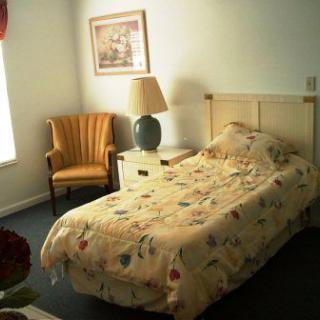
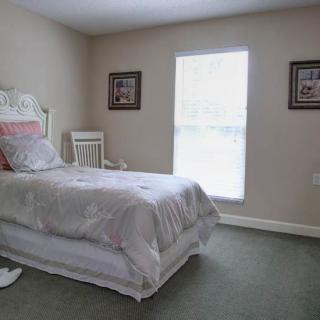
 Fully furnished
 Garden
 Housekeeping services
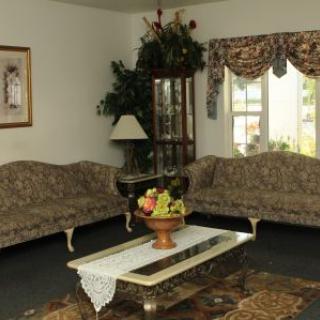
 Indoor common areas
 Kitchenette
 Located close to restaurants
 Located close to shopping centers
 Move-in coordination
 Outdoor patio
 Outdoor space
 Pet friendly
 Restaurant-style dining
 Small library
 Telephone
 Wi-Fi/high-speed internet available
 St. Petersburg-Clearwater International (6 miles away)
 Transportation arrangement
 24-hour call system
 Accept incoming residents on hospice
 Ambulatory care
 Assistance with bathing
 Assistance with dressing
 Assistance with transfers
 Dementia waiver
 Diabetes diet
 Diabetic care
 Medication management
 Mental wellness program
 Special dietary restrictions
 Planned day trips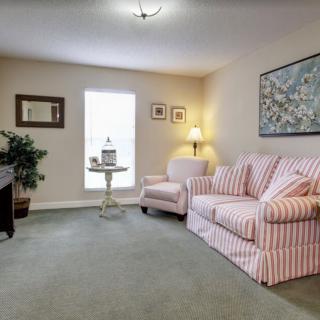






 Assisted Living and Memory Care: Understanding Their Core Differences
 Beyond the Bingo Hall: 50+ Enriching Activities for Seniors in Assisted Living
 Understanding the Distinctions: Assisted Living and Memory Care Explained