
2151 Granada Boulevard, Kissimmee, FL 34746
For more information about senior living options: (866) 208-4318
Silver Crest Home Costs & Pricing
Silver Crest Home offers competitive pricing for its residents, with monthly costs significantly lower than both the county and state averages. For a semi-private room, the cost stands at $2,500, which is notably less than the Osceola County average of $2,833 and the Florida state average of $3,009. Similarly, the private room rate at Silver Crest Home is set at $3,000, offering affordability compared to the county's average of $3,702 and the state's average of $3,699. This pricing structure not only reflects a commitment to providing quality care but also makes Silver Crest Home an appealing option for individuals seeking long-term residence in a warm community environment.
| Floor plans | Silver Crest Home | Osceola County | Florida |
|---|---|---|---|
| Semi-Private | $2,500 | $2,833 | $3,009 |
| Private | $3,000 | $3,702 | $3,699 |
Assisted Living communities with a similar price nearby
-
About the same
Lake Howard Heights
$2,500 to $3,500 / month23.3 miles away -
from +$495 / mo

Excellence Senior Living
$2,995 to $3,995 / month21.3 miles away -
About the same

Sonata Hunter's Creek
$2,500 to $5,515 / month7.6 miles away -
from +$495 / mo

The Glades at ChampionsGate
$2,995 to $3,695 / month12.1 miles away -
from -$300 / mo
Spring Haven Retirement
$2,200 to $3,000 / month23.0 miles away
Overall Review of Silver Crest Home
Pros
 The facility provides excellent service.
- The staff are kind and gentle.
- The facility is clean and friendly.
- It is an excellent place for a loved one.
- The facility is awesome and highly recommended for families seeking care.
Review
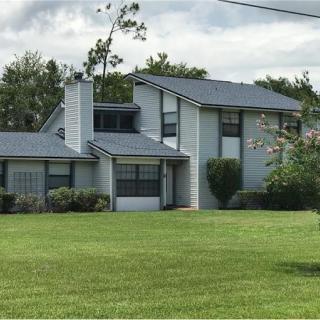
Silver Crest Home in Kissimmee is best suited for families seeking a compact, high-touch assisted living option where daily care feels personal, predictable, and dependable. It works well for residents who value routine, respectful attention, and a homelike atmosphere over the bustle of a larger campus. The reviews emphasize service that is gentle and attentive, with staff who are clean, friendly, and easy to trust. One family notes their father has been at the facility since it opened after leaving Puerto Rico, signaling stability and continuity. The overall tone is that of a dependable home rather than a clinical environment. For families prioritizing consistent caregiving and a calm daily rhythm, Silver Crest repeatedly proves it can deliver.
However, this is not the place for those requiring heavy medical oversight or specialized memory-care programming. The smaller scale means fewer on-site resources, limited depth in activities, and potentially less access to a broad range of therapies or urgent clinical coverage. If a resident needs frequent visits from multiple specialists, extensive rehab services, or a wider transportation network, alternatives with larger staff and more services may be a better fit. In short, Silver Crest excels at steady, personal care but may feel constrained for residents with complex medical needs or a desire for a very full calendar of events and amenities.
Pros are concrete and meaningful. The consistently described service quality, kindness, gentleness, cleanliness, and a friendly atmosphere, shapes a sense of safety and belonging. Staff continuity implied by long-tenured caregivers translates into familiar faces and a stable routine, a relief to families worried about transitions. The setting's small scale appears to foster genuine interactions, where staff know preferences and histories and residents are treated with courtesy rather than mere routine. That combination, high-touch attention, clean surroundings, and a welcoming milieu, addresses the emotional core of caregiving, often what matters most to loved ones. In practice, these strengths offset the natural limits of a smaller operation by delivering dependable daily life and a trustworthy environment where residents can settle in without upheaval.
Still, the trade-offs are worth highlighting. The reviews do not reveal a broad menu of amenities or expansive medical support, which means families should verify the availability of what matters most: medication management, emergency procedures, and access to specialists if needed. A smaller campus can also limit spontaneous outings, diverse programming, and large-group activities that some seniors enjoy. Those who prize an active social life and robust clinical services may want to compare with larger facilities. The upside remains clear: when care priorities are simplicity, reliability, and personal connection, Silver Crest often outpaces bigger competitors because staff are present, attentive, and consistently visible.
Decision-making should center on practical steps. Ask about day and night staffing coverage, caregiver-to-resident ratios, and who handles medical needs after hours. Request a care plan example and inquire how medications are managed, how often care plans are reviewed, and whether on-site medical consultations occur. Request sample menus and a few weeks of activity calendars to assess engagement levels. Confirm transportation arrangements for appointments and social outings, and understand policies on guest visits and temporary adjustments for health changes. If possible, arrange a visit to observe interactions and try the dining experience. The aim is to confirm that the resident’s routines and preferences align with what Silver Crest routinely delivers.
In sum, Silver Crest Home offers a dependable, intimate environment with a warm, professional staff that many families will recognize as a good fit for steady, affectionate care. It is especially appropriate for residents who value predictability, cleanliness, and a nurturing day-to-day rhythm. For those needing extensive medical oversight, memory-care specialization, or a wide calendar of programming, alternatives with broader resources may be worth exploring. The positive experiences shared by multiple families, praise for kindness, gentle handling, and a home-like atmosphere, underscore that the core strengths lie in people and process. When those strengths align with a resident’s needs, Silver Crest emerges as a compelling, practical choice.
 9 resident community capacity
 Assisted Living
 Board and Care Home
 Cats allowed
 Dogs allowed
 Activities off-site
 Cable or satellite TV
 Devotional services off-site
 Dining room
 Fully furnished
 Garden
 Housekeeping services
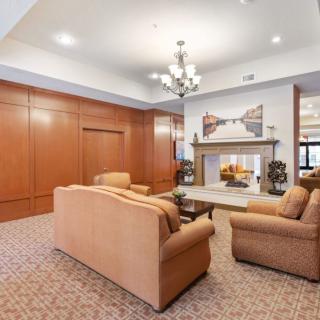
 Indoor common areas
 Move-in coordination
 Outdoor space
 Private
 Respite or short term stays offered
 Telephone
 Wi-Fi/high-speed internet available
 Orlando International (15 miles away)
 24-hour supervision
 Ambulatory care
 Assistance with bathing
 Assistance with dressing
 Assistance with transfers
 Diabetes diet
 Diabetic care
 Incontinence care
 Meal preparation and service
 Medication management
 Special dietary restrictions
 Transportation arrangement (medical)
 Transportation to doctors appointments



 Understanding Medicaid Coverage for Assisted Living: A Comprehensive Guide
 How and When Medicaid May Cover Assisted Living Costs
 A Detailed Exploration of Assisted Living Medicaid Waivers Across the United States