
700 Arlington Road N, Jacksonville, FL 32211
For more information about senior living options: (866) 208-4318
Overall Review of L'arche Harbor House II
Pros
 The community is wonderful, welcoming everyone with joy and open arms, where adults with and without disabilities learn from each other and are equal partners in the community's success.
- L'Arche is a wonderful community with awesome people who live and work there.
- Rainbow Workshop is loved by volunteers who are absolutely enthusiastic about the organization and its people.
- The installer delivered new flooring to a fine establishment and its staff, expressing happiness and celebrating the beauty of the community.
- L'Arche offers activities like jewelry making, inviting members to participate and contribute to the community.
- They support people with special needs, and their staff clearly cares deeply about making a positive impact on the community and its clients.
Review
L'arche Harbor House II in Jacksonville, FL is best suited for adults with disabilities and adults without disabilities who want a radically inclusive, purpose-driven living environment. This is a community where daily life centers on mutual aid, shared work, and genuine relationship-building, not on a traditional care hierarchy. It works best for families and individuals who value equality, shared responsibility, and opportunities to contribute meaningfully, whether through workshops, jewelry-making, or other community activities. The atmosphere is joyful and open, with a clear emphasis on learning from one another and treating every resident as an equal partner in the community’s success. For those seeking a conventional, top-down senior-living experience, this setting may feel unconventional, but it resonates deeply with a progress-minded, socially engaged philosophy.
Those who may want to consider alternatives include families prioritizing robust, licensed medical oversight and 24/7 nursing support. The L’Arche model emphasizes community living and mutual care rather than a formal clinical framework, so residents who require intensive medical management, memory-care specifics, or strict, on-demand nursing assistance may find it insufficient. Additionally, seniors seeking highly private living quarters or a more traditional, sedentary routine with predictable structures may prefer standard assisted living communities. Finally, individuals who require comprehensive, in-house rehabilitation services or highly structured transportation and activity schedules may find other facilities better aligned with those needs.
The strongest advantages here lie in the core philosophy and the daily lived experience. A culture of care shows up in staff dedication and in the visible investment of volunteers who participate in workshops, maintenance, and community programming. Residents are not merely housed; they’re empowered to contribute, whether through creative work, skill-building activities, or cooperative tasks around the house. The result is pronounced social integration, reduced isolation, and a sense of purpose that extends beyond routine caregiving. The inclusive environment also minimizes stigma around disabilities, enabling meaningful friendships across diverse ages and abilities and giving families assurance that loved ones are valued members of a thriving, supportive network.
To be sure, the format carries potential drawbacks worth weighing. The model does not foreground private, one-on-one privacy in the same way traditional senior housing might, and there is limited information about on-site clinical care, which can leave families uncertain about what happens during health crises or more complex daily needs. The reliance on volunteers and a community-based approach means schedules, staffing depth, and availability of specialized services can fluctuate. For residents who prize autonomy and a traditional, predictable care routine, the atmosphere may feel less structured than expected. Transportation logistics and access to external health resources may require proactive planning with family or guardians.
Yet the pros largely offset these considerations for the right match. The inclusive, value-driven setting creates a robust social safety net: peers and staff become a built-in support system, and residents gain a sense of belonging that can improve overall well-being and engagement in daily life. The opportunity to teach and learn, whether through jewelry-making, workshops, or collaborative projects, fosters growth, pride, and a sense of contribution that typical assisted living might not deliver. For families prioritizing meaning, partnership, and a community that treats differences as strengths, the L’Arche approach offers an unusually resilient foundation for long-term happiness and resilience.
In practice, families should approach a decision with clear questions: What level of day-to-day medical and personal care is truly required, and how can that need be met within this community’s model? How private is privacy in daily living, and what boundaries around shared spaces exist? What transportation options and outside services are readily accessible, should routine medical or therapeutic needs arise? If inclusion, mutual respect, and purposeful days rank highest, L’arche Harbor House II stands out as a compelling choice in the Jacksonville area. It is not a one-size-fits-all solution, but for those who want a living experience that prioritizes equality, engagement, and living with purpose, this community offers a remarkable, hard-earned value.
 6 resident community capacity
 Assisted Living
 Board and Care Home
 Respite Care
 Cable or satellite TV
 Dining room
 Fully furnished
 Garden
 Housekeeping services
 Move-in coordination
 Outdoor space
 Telephone
 Wi-Fi/high-speed internet available
 Jacksonville International (13 miles away)
 24-hour supervision
 Activities of daily living assistance
 Assistance with bathing
 Assistance with dressing
 Assistance with transfers
 Diabetes diet
 Meal preparation and service
 Medication management
 Special dietary restrictions
 Transportation arrangement (medical)
 Transportation to doctors appointments






 A Detailed Exploration of Assisted Living Medicaid Waivers Across the United States
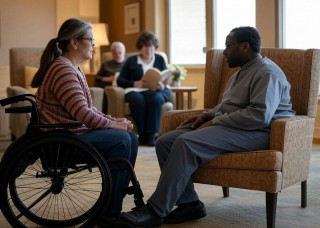 Comprehensive Residential Support and Assisted Living Solutions for Individuals with Disabilities
 Comprehensive Supportive Living Arrangements for Adults with Disabilities