Maryland Manor

7632 Maryland Avenue, Hudson, FL 34667

For more information about senior living options: (844) 490-3973

2.3 from 6 reviews
5 stars
1
4 stars
1
3 stars
0
2 stars
1
1 stars
3

Assisted Living Respite Care

Overall Review of Maryland Manor

Pros

  • pro They hope that their loved ones are found safe.
  • pro They wish safety and well-being for the residents.

Cons

  • pro The staff never answers the phone, leaving families worried.
  • pro There is a smell of urine and filth.
  • pro The situation is nauseating to observers.
  • pro Residents lack proper supervision.
  • pro The food is terrible.
  • pro The reviewer is concerned for their son's safety due to poor communication.

Review

A troubling complaint recently surfaced about a care facility, painting a picture of frustration, fear, and growing desperation. At the core of the message is a simple but devastating problem: phone contact never seems to work. The writer emphasizes that they call every day, hoping to connect with someone who can share news about their loved one, only to be met with silence on the other end. The repeated failure to get a response creates a postponement of reassurance and an escalation of worry. This is not just about a missed call; it is about a persistent barrier to communication when the stakes are highest.

Beyond the barrier of unanswered lines lies a harsher impression of the facility's environment. The reviewer describes a smell of urine and filth, a sensory detail that implies substandard hygiene and a potentially unsafe living space. The wording underscores a sense of revulsion and alarm, suggesting that the conditions inside the facility may be far from adequate. For anyone with a loved one in care, such sensory cues are more than unpleasant - they are a signal that basic standards of cleanliness and dignity might not be upheld.

The concern is not only about the space; it is deeply personal and connected to a specific resident: the writer's son. The reviewer identifies him as a resident, which turns these suspicions into a living, daily reality. The claim that there is "no one there to supervise evidently" adds a troubling dimension: a perceived absence of oversight that could affect safety, routine, and the overall well-being of residents. The combination of unanswered calls and perceived lack of supervision intensifies the fear that the person closest to the writer is not being watched over as they should be.

Interwoven with concerns about safety is dissatisfaction with the quality of care in daily life, particularly the nourishment provided. The son is said to report that the food is terrible, a detail that might seem minor to outsiders but can have significant implications for health, morale, and comfort in a facility setting. When meals are described as poor, especially in a place where residents rely on staff for essential needs, it becomes another facet of the broader critique: that basic comforts and necessities are not meeting expected standards.

The message describes a pattern of relentless effort to obtain information. The writer claims to have called "ALL evening," signaling persistent and ongoing attempts to reach someone who can provide answers or assurances. The repetition of this effort - the endless calls, the sense that no one is picking up - amplifies anxiety and frustration. It is not merely a logistical hiccup; it feels like a chronic breakdown in the communication channels that families depend on to monitor their loved ones from afar.

Taken together, the review conveys a stark, emotionally charged portrait of a care facility facing serious accusations about communication failures, cleanliness, supervision, and meal quality. The writer's tone blends urgency with worry, turning everyday concerns into a sustained concern for safety and dignity. For families who rely on care facilities to treat their loved ones with respect and attentiveness, this narrative underscores how crucial responsive communication, clean living environments, adequate supervision, and decent everyday care truly are to trust and peace of mind.

Features

Housing

  • 21 resident community capacity 21 resident community capacity

Types of Care

  • Assisted Living Assisted LivingAssisted living facilities provide crucial support and care for seniors who may need help with daily tasks such as medication management, bathing, and meal preparation. These communities offer a safe and comfortable environment where seniors can maintain their independence while receiving the assistance they need to thrive in their golden years.
  • Respite Care Respite CareRespite care provides temporary relief for caregivers, allowing them to recharge and attend to their own needs. It also gives seniors the opportunity to socialize, receive professional care, and experience a change of scenery, promoting overall well-being and reducing feelings of isolation.

Amenities

  • Beauty salon Beauty salonBeauty salons are important for seniors because they provide a space for them to feel pampered, socialize, and maintain their personal grooming and hygiene. Regular visits to a beauty salon can help boost seniors' self-esteem and overall well-being.
  • Cable or satellite TV Cable or satellite TVCable or satellite TV is important for seniors because it provides entertainment, news, and companionship, helping to combat loneliness and boredom. It also offers a wide range of programming options tailored to different interests and preferences.
  • Dining room Dining roomDining rooms are important for seniors as they provide a space for socialization, connection, and nutritious meals. They offer opportunities for residents to bond over shared meals, foster a sense of community, and promote healthy eating habits. Dining rooms also ensure that seniors have access to well-balanced meals tailored to their dietary needs and preferences.
  • Fully furnished Fully furnishedFully furnished senior living communities are important for seniors because they provide convenience, comfort, and a hassle-free moving experience. Seniors can easily settle into their new living space without the stress of having to buy and move furniture. This allows them to focus on enjoying their new home and community.
  • Garden GardenGardens are important for seniors as they provide a peaceful and therapeutic environment for relaxation, physical activity, and socialization. Being in nature has been shown to reduce stress, improve mood, and promote overall well-being. Gardens also offer opportunities for seniors to engage in gardening activities, which can improve mobility, flexibility, and cognitive function. Additionally, gardens create a sense of community and connection with others who share a passion for plants and outdoor spaces.
  • Housekeeping services Housekeeping servicesHousekeeping services are important for seniors because they help maintain a clean and safe living environment, promote independence, and reduce the risk of accidents or illnesses. Additionally, having assistance with household chores can alleviate physical strain and allow seniors to focus on other aspects of their well-being.
  • Kitchenette KitchenetteKitchenettes are important for seniors living in senior living communities because they provide the convenience and independence of being able to prepare simple meals and snacks in the comfort of their own living space. This can help promote a sense of autonomy and well-being for seniors, allowing them to maintain some level of control over their dietary choices and daily routines.
  • Move-in coordination Move-in coordinationMove-in coordination is important for seniors because it helps ease the transition into their new living environment. It ensures that all logistics, such as packing, organizing movers, and setting up utilities are taken care of, allowing seniors to focus on settling in and adjusting to their new home. Having a smooth move-in process can alleviate stress and anxiety, making the transition smoother and more enjoyable for seniors.
  • Outdoor space Outdoor spaceOutdoor spaces are important for seniors as they provide opportunities for physical activity, social interaction, exposure to natural light and fresh air, and a sense of connection to nature. Having access to outdoor spaces can improve overall well-being and quality of life for older adults living in senior communities.
  • Restaurant-style dining Restaurant-style diningRestaurant-style dining is important for seniors because it allows them to enjoy delicious, nutritious meals in a social and upscale setting. This enhances their dining experience, promotes healthy eating habits, and fosters socialization with fellow residents, ultimately contributing to their overall well-being and quality of life.
  • Small library Small librarySmall libraries are important for seniors as they provide access to a variety of reading materials, including books, newspapers, and magazines. This can help stimulate their minds, keep them engaged, and provide a sense of community through book clubs and other social activities. Additionally, reading has been shown to improve cognitive function and overall mental well-being in older adults.
  • Telephone TelephoneTelephones are important for seniors as they provide a lifeline for communication with loved ones, emergency services, and healthcare providers. They offer a sense of security and independence, enabling seniors to stay connected and access assistance when needed.
  • Wi-Fi/high-speed internet available Wi-Fi/high-speed internet availableWi-Fi/high-speed internet is important for seniors to stay connected with loved ones, access online resources, and participate in virtual activities to combat feelings of loneliness and isolation. It also allows them to easily manage healthcare needs, access entertainment, and engage in lifelong learning opportunities.

Care Services

  • 24-hour call system 24-hour call system24-hour call systems are important for seniors because they provide peace of mind and immediate assistance in case of emergencies. This technology ensures that help is always available, promoting safety and security for elderly individuals living alone or in assisted living facilities.
  • 24-hour supervision 24-hour supervision24-hour supervision is important for seniors to ensure their safety, well-being, and access to immediate assistance in case of emergencies or health issues. This constant support provides peace of mind for both seniors and their loved ones, allowing them to age in place with dignity and security.
  • Activities of daily living assistance Activities of daily living assistanceActivities of daily living assistance are important for seniors because they provide essential support with tasks such as eating, bathing, dressing, and mobility. This assistance helps seniors maintain their independence, dignity, and overall quality of life as they age.
  • Assistance with bathing Assistance with bathingAssistance with bathing is crucial for seniors as it helps maintain personal hygiene, prevents infections, and ensures their overall well-being and comfort. It also provides a sense of dignity and independence for seniors who may struggle with this task on their own.
  • Assistance with dressing Assistance with dressingAssistance with dressing is important for seniors because it helps maintain their independence, promotes personal hygiene, prevents accidents and injuries, and improves overall quality of life. This service ensures that seniors can continue to dress comfortably and confidently, despite any physical limitations they may have.
  • Assistance with transfers Assistance with transfersAssistance with transfers is crucial for seniors as it helps prevent falls and injuries, maintains their independence, and ensures they can safely navigate their living environment. It also provides peace of mind for both seniors and their loved ones.
  • Diabetes diet Diabetes dietA diabetes diet is crucial for seniors as it helps manage blood sugar levels, reduce risks of complications, and improve overall health and well-being. By following a balanced and nutritious diet tailored to their specific needs, seniors can better control their diabetes and enhance their quality of life.
  • Meal preparation and service Meal preparation and serviceMeal preparation and service are crucial for seniors as they may have limited mobility or energy to cook nutritious meals. Having access to healthy and convenient food options can ensure they are getting the proper nutrition needed to maintain their overall health and well-being.
  • Medication management Medication managementMedication management is crucial for seniors to ensure they are taking the right medications at the correct dosages and times. This helps prevent adverse drug interactions, reduces the risk of medication errors, and promotes overall health and well-being. Proactive management also allows for adjustments as needed based on changing health conditions or new prescriptions.
  • Mental wellness program Mental wellness programMental wellness programs are essential for seniors as they promote cognitive stimulation, emotional support, and social engagement. These programs help prevent isolation, depression, and cognitive decline, ultimately enhancing the overall quality of life for older adults.
  • Special dietary restrictions Special dietary restrictionsSpecial dietary restrictions are important for seniors because age-related changes in metabolism and health conditions can make it difficult for their bodies to process certain foods. By following a diet tailored to their specific needs, seniors can maintain their overall health and well-being, manage chronic conditions, and reduce the risk of complications such as malnutrition or food interactions with medications.
Dining

  • Diabetes diet Diabetes dietA diabetes diet is crucial for seniors as it helps manage blood sugar levels, reduce risks of complications, and improve overall health and well-being. By following a balanced and nutritious diet tailored to their specific needs, seniors can better control their diabetes and enhance their quality of life.
  • Special dietary restrictions Special dietary restrictionsSpecial dietary restrictions are important for seniors because age-related changes in metabolism and health conditions can make it difficult for their bodies to process certain foods. By following a diet tailored to their specific needs, seniors can maintain their overall health and well-being, manage chronic conditions, and reduce the risk of complications such as malnutrition or food interactions with medications.

Activities

  • Community-sponsored activities Community-sponsored activitiesCommunity-sponsored activities are important for seniors as they provide opportunities for social interaction, mental stimulation, and physical activity. These activities can help improve overall well-being, combat loneliness and isolation, and promote a sense of belonging and purpose among older adults.
  • Resident-run activities Resident-run activitiesResident-run activities are important for seniors as they encourage social interaction, creativity, and a sense of autonomy. These activities empower seniors to stay engaged and active in their community while fostering meaningful connections with their peers.
  • Scheduled daily activities Scheduled daily activitiesScheduled daily activities are important for seniors because they provide structure, socialization, mental stimulation, and physical activity. Engaging in regular activities can improve overall well-being and quality of life for seniors living in a community setting.

Description

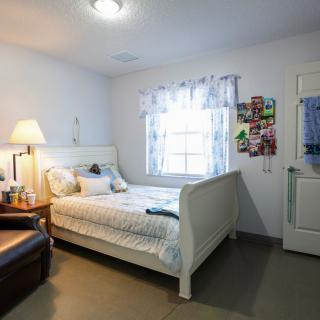
Maryland Manor in Hudson, FL is an exceptional assisted living community that offers respite care services. Our residents enjoy a comfortable and fully furnished living space with amenities such as cable or satellite TV, Wi-Fi/high-speed internet, and a small library for leisurely reading.

At Maryland Manor, our dedicated staff provides 24-hour supervision and assistance with daily activities of living to ensure the utmost comfort and safety of our residents. This includes assistance with bathing, dressing, transfers, and medication management. We also have a mental wellness program in place to prioritize the emotional well-being of our residents.

Our dining experience is tailored to meet special dietary restrictions, ensuring that every meal is both delicious and nutritious. The restaurant-style dining room serves as a social hub where residents can enjoy meals together and foster connections.

To keep our residents engaged and entertained, we offer resident-run activities as well as scheduled daily activities that cater to different interests and hobbies. Whether it's participating in arts and crafts or engaging in gentle exercise classes, there is something for everyone.

Located conveniently near pharmacies, physicians, restaurants, transportation options, and hospitals; Maryland Manor ensures that all essential needs are easily accessible to our residents. Our move-in coordination services make transitioning into our community seamless.

Choose Maryland Manor for your loved one's respite care needs – we provide a nurturing environment that promotes both independence and support.

Nearby Places of Interest

This part of Hudson, Florida offers a convenient location with easy access to essential healthcare services such as physicians specialized in dialysis, renal hypertension, surgery, endoscopy, diabetes care, and eye care. There are also pharmacies nearby for your medication needs. The Bayonet Medical Center is close by in case of any emergencies. In terms of dining options, there are local restaurants like Fisherman's Shack and Sam's Hudson Beach Restaurant for a variety of dining choices. Additionally, various national chains like Wendy's and Popeyes Louisiana Kitchen are within a short driving distance. For leisure activities, there is a movie theater about 8 miles away and cafes like Panera Bread in the vicinity for socializing and relaxation. Overall, this area provides a blend of medical facilities, dining options, and entertainment venues for senior living convenience.

Physicians

  • Physicians Dialysis Hudson (0.7 miles)
  • Renal Hypertension Center (0.7 miles)
  • Bayonet Point Surgery & Endoscopy Center (0.8 miles)
  • Diabetes Care Center (0.8 miles)
  • Rao Musunuru, MD Conference Center (0.8 miles)
  • Bayonet Point Medical Plaza (0.9 miles)
  • St Luke's Cataract & Laser Institute (0.9 miles)

Restaurants

  • Fisherman's Shack (0.7 miles)
  • Sam's Hudson Beach Restaurant (1.6 miles)
  • Skinny's Bar & Grille (1.7 miles)
  • Wendy's (1.8 miles)
  • Wendy's (3 miles)
  • Green Tea Chinese Restaurant (3.1 miles)
  • Popeyes Louisiana Kitchen (3.2 miles)

Pharmacies

  • Walgreens (0.8 miles)
  • Winn-Dixie (0.8 miles)
  • Medsource Pharmacy (0.9 miles)
  • Walgreens (1.6 miles)
  • CVS Pharmacy (1.6 miles)
  • Fairway Oaks Pharmacy (1.9 miles)
  • Doctors Choice Pharmacy #2 (2.9 miles)

Hospitals

  • Bayonet Medical Center (0.8 miles)

Transportation

  • U-Haul Moving & Storage (4.6 miles)

Cafes

  • Panera Bread (5.6 miles)
  • Panera Bread (6.6 miles)

Theaters

  • Spring Hill 8 - Sapphire Motion Pictures (8.3 miles)

Frequently Asked Questions

Where is Maryland Manor?

Nearby Communities

Related Resources

  • assisted living vs memory careAssisted Living and Memory Care: Understanding Their Core Differences

    Assisted living provides moderate support for seniors seeking independence, while memory care offers specialized support for individuals with dementia or cognitive impairments through structured routines and trained staff. Key differences include care approaches, environment security measures, staff training levels, activity types, and cost considerations.

  • assisted living activitiesBeyond the Bingo Hall: 50+ Enriching Activities for Seniors in Assisted Living

    Assisted living communities offer diverse activities beyond traditional games to enhance seniors' physical health, cognitive well-being, emotional enrichment, and social connections, including fitness classes, creative expression, and intergenerational interactions. These enriching programs foster community bonds and support residents' independence and happiness.

  • assisted living vs memory careUnderstanding the Distinctions: Assisted Living and Memory Care Explained

    The article differentiates between assisted living and memory care, explaining that assisted living supports seniors with daily activities while promoting independence, whereas memory care provides specialized services for individuals with dementia, focusing on secure environments and cognitive support. It also addresses staff training, safety considerations, costs, family involvement, and transition strategies for families navigating these care options.