
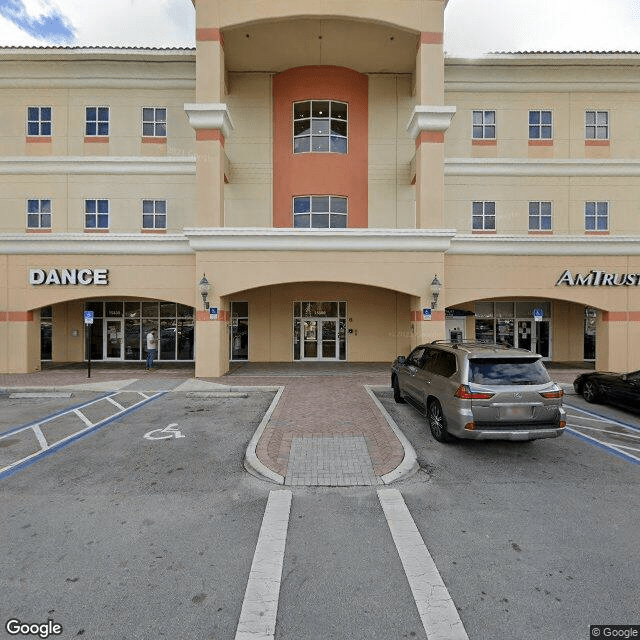
15800 Pines Blvd, Pembroke Pines, FL 33027
To contact a resident: (954) 604-6655
For more information about senior living options: (866) 208-4318
Overall Review of Gardi Health - Pembroke Pines, FL
Pros
 They were very helpful and quick in finding someone to provide care for my grandmother.
- They would definitely recommend them.
Review
Gardi Health in Pembroke Pines is best suited for families that need a quick, practical bridge to in-home care while evaluating longer-term living options. When a grandmother or aging parent requires prompt coverage, someone to provide daily support, companionship, or respite while a full plan is put in place, this service moves fast. The standout value is rapid caregiver placement and a straightforward process that closes the gap between need and care. It works best as an immediate stopgap, not as the final, long-term dependency solution.
For those certain about placing a loved one in an assisted living community or seeking ongoing facility-based medical oversight, alternatives should be investigated. Traditional assisted living communities deliver a defined living environment with meals, activities, and routine supervision that a pure caregiver-matching service cannot replicate. Families pursuing specialized memory-care supervision or a built-in care team may find a facility option more predictable and cohesive over time. In short, this service shines when immediacy is paramount, but it is not a substitute for a committed long-term living arrangement.
The strongest positives are concrete: caregivers are located quickly, the service is described as helpful, and there is a clear likelihood of positive word-of-mouth by users. That combination delivers real relief when an urgent care gap appears, allowing families to keep a loved one safe and supported without extended waiting. However, the evidence base is thin, two reviews, both identical, leaving a murky picture of long-term reliability, caregiver continuity, and sustained quality. Crucially, the reviews provide no detail on cost, the exact scope of services beyond caregiver matching, or how ongoing care management is executed. In practical terms, speed and accessibility address immediate risk; the absence of longitudinal data introduces risk for longer-term care plans.
This is not a fault of intention, but a realistic appraisal of what is known and unknown. The service’s apparent edge, rapid placement, may come with trade-offs in depth: no disclosed credentialing standards, no stated process for ongoing supervision, and no information about backup staffing or care-plan integration with medical providers. For families juggling medications, physician communications, transportation needs, or evolving care requirements, those gaps can become material unless clarified through due diligence. The absence of clear supervisory frameworks and continuity guarantees means a decision should hinge on how quickly a caregiver can be stabilized versus how much assurance is sought for sustained oversight.
To make a well-informed choice, ask pointed questions before engaging. Focus on the caregiver vetting process and credentials, whether background checks are performed, and how matches are aligned with specific conditions, mobility limitations, memory care, or dementia needs. Seek clarity on supervision: frequency of supervisor check-ins, escalation paths, and what happens if a caregiver becomes unavailable. Probe for backup coverage details, response times, and how communications with families are maintained. Demand transparent pricing, placement fees, hourly rates, overtime, and cancellation terms, and insist on references and a formal service agreement that covers responsibilities, liability, and a satisfaction standard.
Overall, Gardi Health in Pembroke Pines emerges as a pragmatic first option for families needing rapid in-home care coverage while evaluating longer-term living solutions. It delivers tangible value when immediacy is critical and a caregiver is needed quickly. For those prioritizing a built-in community setting, ongoing medical oversight, or specialized memory-care environments, exploring traditional assisted living options or comprehensive home-health arrangements will yield more predictable long-term structure. Use this service to close the initial care gap, then transition to a plan that provides sustained oversight and a clearly defined living environment.
 Fort Lauderdale-Hollywood International (13 miles away)



 A Detailed Examination of Nursing Home Costs Across the U.S.
 Exploring Nonmedical Home Care: Understanding Services, Costs, and Financial Approaches
 Engaging Brain Games and Innovative Apps to Keep Senior Minds Active