
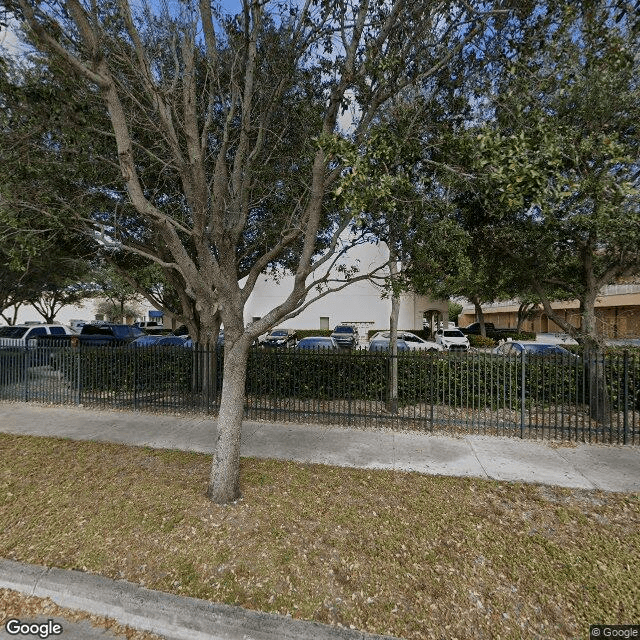
5931 NW 173rd Drive, Unit 11, Miami, FL 33015
To contact a resident: (305) 558-8740
For more information about senior living options: (866) 208-4318
Overall Review of Endless Years Adult Care Center
Pros
 The staff at the center are simply fantastic.
- The bus drivers, caregivers, managers, and administrators are all loving and caring.
- The mom spends her day with family at the center.
- The adult care center is highly recommended for a fun and interactive experience for the elderly.
- The reviewer is grateful to have the center and its staff.
Review
Endless Years Adult Care Center in Miami is best suited for families seeking a warm, home-like atmosphere where an elderly loved one can be cared for by staff who consistently convey genuine affection and daily reliability. The community earns high marks for a caregiving culture that feels less like a facility and more like a family setting, with bus drivers, caregivers, and administrators all contributing to a reassuring, approachable environment. Residents are offered a lively, interactive daily rhythm that centers social engagement, purposeful activities, and dependable routines. For families prioritizing connection and emotional well-being as pillars of care, Endless Years delivers with surprising consistency in a city where options can feel clinical or impersonal.
However, potential buyers should consider who may want alternatives. If a resident requires intensive medical management, complex skilled nursing, or memory-care with specialized programming beyond what a small center typically provides, a larger community with on-site physicians and a broader continuum of care may be more appropriate. Those prioritizing a serene, quiet environment over rich social programming might also look at smaller or more secluded settings. Budget considerations matter too, as the warmth and activity focus often come with costs that require careful financial planning. In short, the center shines in human connection; for high-acuity or top-tier clinical oversight, exploration of other options is prudent.
One of the strongest differentiators is the platform of care that begins with staff who treat residents like family. Bus drivers, direct-care professionals, and the management team are described as loving and caring, creating a daily experience that reduces isolation and builds trust. That emotional literacy translates into more consistent participation in activities, better adherence to routines, and a sense that days are meaningful rather than routine. The payoff is measurable in quality-of-life signals: smiles, engagement, and a sense of safety. When a resident walks through the door, the impression is that the center is not the enemy of independence but its enthusiastic ally, enabling continued self-expression within a supported framework.
Activities and social opportunities emerge as another core strength. The feedback highlights a fun, interactive calendar, with residents invited to participate actively rather than merely watching from the sidelines. In practice, this means regular opportunities for conversation, shared meals, trivia or music, and group outings facilitated by staff who know residents' preferences. The social energy helps mitigate loneliness and can slow the decline of cognitive vitality associated with isolation. For families, this translates into fewer days of worry about their loved one's day-to-day happiness and more confidence that meaningful engagement is happening on a regular basis.
Transportation and practical logistics also appear solid. The mention of bus drivers as part of the caring ecosystem signals dependable mobility for appointments and community outings, which supports independence and family involvement. A well-run transportation loop reduces the friction often felt when loved ones must rely on family for every excursion. Yet, the absence of explicit notes on clinical staffing, nurse availability, or memory-care specialization means this center may not meet the needs of residents requiring intensive medical oversight or specialized dementia programming. The positive social fabric helps offset this gap for many, but a careful match is still necessary for those with higher medical or cognitive care demands.
Decision-makers should pursue a structured visit to verify fit. Key questions should center on staffing ratios, on-site medical support, memory-care capabilities if relevant, and the availability of respite care. Observe interactions between staff and residents, and assess whether the daily activity calendar aligns with the elder's preferences. If a loved one thrives on connection, warmth, and a bustling social life, Endless Years stands out as an excellent match in Miami. If the priority is medical intensity, clinical oversight, or a quieter environment with fewer distractions, alternatives deserve comparison before committing.
 Day Program
 Miami International (10 miles away)


 Exploring the World of Home Health Nurses: Qualifications, Roles, and Hiring Tips
 Navigating Medicare Coverage for In-Home Care Services
 In-Home Care Costs in 2025: A Detailed State-by-State Exploration