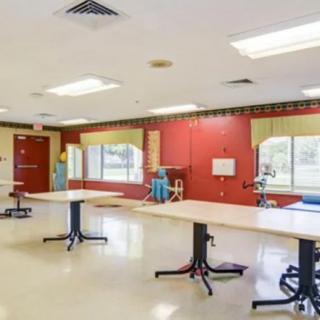
Nspire Healthcare Miami Lakes Costs & Pricing
At Nspire Healthcare Miami Lakes, the monthly costs for various room types reflect a commitment to quality care in a competitive market. For a semi-private room, residents can expect to pay $3,750, which is notably higher than the average cost in Miami-Dade County at $2,250 and also exceeds the statewide average of $3,009. Private rooms are priced at $4,500, aligning closely with both local and state averages - Miami-Dade stands at $3,304 while Florida overall is slightly higher at $3,699. Additionally, the studio options are available for $4,875; this price point is above both county and state averages of $3,886 and $3,823 respectively. While these rates may be higher than those typically seen within the county or statewide figures, they reflect the enhanced services and personalized care that Nspire Healthcare aims to provide.
| Floor plans | Nspire Healthcare Miami Lakes | Miami-Dade County | Florida |
|---|
| Semi-Private | $3,750 | $2,250 | $3,009 |
| Private | $4,500 | $3,304 | $3,699 |
| Studio | $4,875 | $3,886 | $3,823 |
Skilled Nursing Facilities with a similar price nearby
-
from +$150 / mo
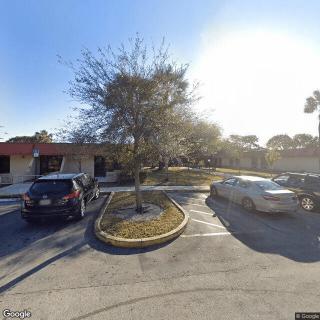
Sunrise Health & Rehab Ctr
$3,900 to $4,400 / month
16.7 miles away
-
About the same
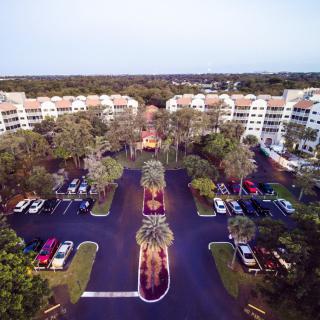
Pacifica Senior Living Forest Trace
$3,725 to $3,950 / month
17.3 miles away
-
About the same
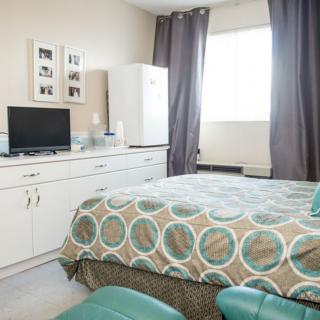
Residential Plaza at Blue Lagoon
$3,700 to $4,000 / month
11.4 miles away
-
from +$182 / mo
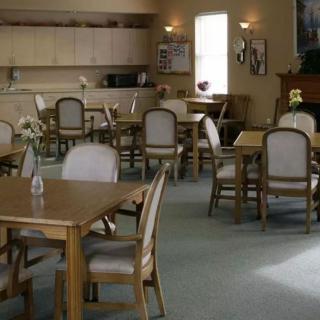
HarborChase of Tamarac
$3,932 to $6,050 / month
18.5 miles away
-
from -$250 / mo
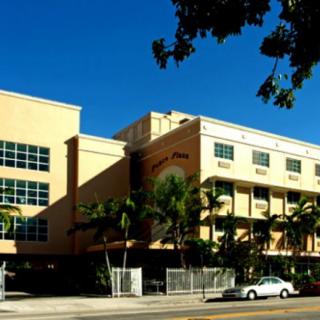
Ponce Plaza Nursing & Rehabilitation Center
$3,500 / month
13.0 miles away
Overall Review of Nspire Healthcare Miami Lakes
common
8 reviews mention this
Cleanliness and upkeep stand out
Many residents’ families describe a facility that feels clean and well-maintained.
A number of reviews mention that the building looks and smells clean, with good housekeeping and rooms that do not give off the urine or feces odor some families worry about. Several also mention a well-kept environment and overall cleanliness beyond the nursing station. A minority of reviews take the opposite view, describing foul odors and dirty rooms, which suggests cleanliness may vary by area or timeframe.
common
10 reviews mention this
Staff kindness shows up consistently
Many reviewers highlight caring, professional staff who treat residents with patience and respect.
Positive reviews repeatedly point to warm communication, gentleness, and steady attention from nurses, CNAs, therapists, and even front-desk staff. Some families describe feeling welcome during admission and support across multiple departments, including social services and nursing leadership. Reviews are not uniformly positive, with several families reporting indifference or disrespect, so it’s best to consider staff experience as something residents may find uneven depending on shift and unit.
caveat
10 reviews mention this
Care response can feel slow
Some residents and families report delays or gaps when care is urgently needed.
Several critical reviews describe times when help did not arrive promptly—such as not getting bathed, not having fresh water, delayed diaper/linen changes, or difficulty getting repositioning and restroom support. Some reviewers connect these lapses to understaffing or uneven follow-through, and a few describe staff focusing on phones instead of assisting. While other reviews praise attentive caregiving, these negative accounts are detailed enough to suggest responsiveness can be a real concern for certain shifts or situations.
differentiator
3 reviews mention this
Nursing leadership and standout nurses
Families specifically mention exceptional nursing involvement from named caregivers.
A few reviews single out nursing staff for hands-on, personal care—particularly nurses like Tatiana, along with mentions of nursing leadership that went beyond routine tasks. These reviews describe nurses interacting directly with residents and families, including helping with comfort and meals and overseeing important steps during transfers. Because these mentions are concentrated around particular individuals, the experience may depend heavily on who is on duty.
common
7 reviews mention this
Therapy support helps recovery
Many reviews credit physical and occupational therapy with real progress.
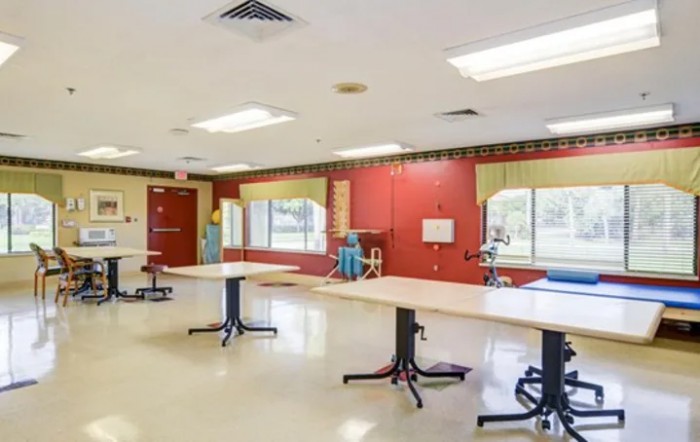
Multiple families describe therapy teams as a strong part of the rehab experience, noting that patients who arrived struggling were able to improve enough to walk again or build strength. Reviewers also mention disciplined, day-to-day therapy and attentive support during meals and rehabilitation routines. A couple of negative reviews focus on care quality overall, but the therapy-positive accounts are consistent enough to stand out as a recurring theme.
common
8 reviews mention this
Food quality is mixed
Food reviews range from praised to sharply criticized.
Some families say meals are good or high-quality, with decent-looking food and positive comments about portions. Others describe food as unappealing or worse, including reports that it tastes or looks very poor, or that variety and preparation can be inconsistent. There are also mentions of dietary needs being accommodated, including special diets tied to resident conditions.
caveat
5 reviews mention this
Communication by phone can be hard
Several reviewers report difficulty reaching the facility by phone or getting timely responses.
Some families describe phones not working for extended periods, no responses to messages, or general challenges getting anyone to answer when questions come up. A few reviews also mention admission/front-desk or leadership not being consistently available, which can make it harder to coordinate concerns or paperwork. Other reviews are more positive about responsiveness and updates, but the phone-and-reach complaints recur often enough to be a clear caveat.
How we summarize
Counts show how many written reviews mention each theme; a review can touch several themes, and only frequently mentioned themes are displayed.

 120 resident community capacity
 Skilled Nursing Facility
 Air-conditioning
 Beauty salon
 Cable or satellite TV
 Computer center
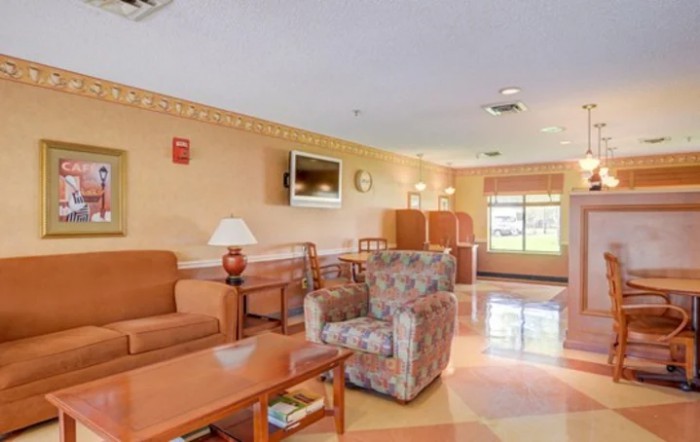
 Dining room
 Fitness room
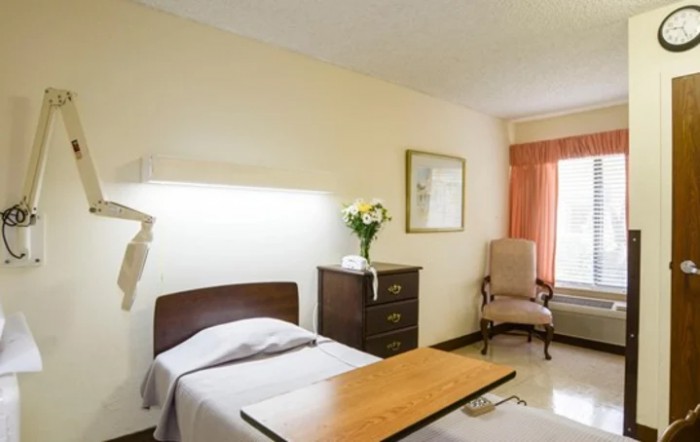
 Fully furnished
 Gaming room
 Garden
 Housekeeping services
 Kitchenette
 Move-in coordination
 Outdoor space
 Private bathrooms
 Restaurant-style dining
 Small library
 Telephone
 Wellness center
 Wi-Fi/high-speed internet available
 Miami International (10 miles away)
 Community operated transportation
 12-16 hour nursing
 24-hour call system
 Activities of daily living assistance
 Assistance with bathing
 Assistance with dressing
 Assistance with transfers
 Diabetes diet
 Medication management
 Mental wellness program
 Special dietary restrictions
 Concierge services
 Planned day trips
 Intimate 6-resident setting with comprehensive care (ADL support, medication management, 24-hour supervision) and on-site amenities (dining, housekeeping, wifi, outdoor space).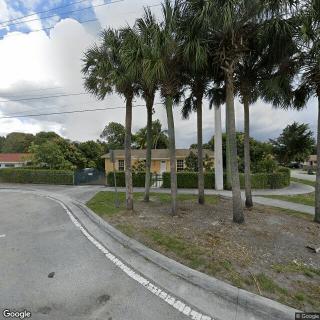

 Navigating the Tax Landscape of Caregiving: Credits, Deductions, and Beyond
 Highly Beneficial Low-Impact Exercises for Senior Living Residents
 Is In-Home Healthcare Tax Deductible? Your Comprehensive Guide