
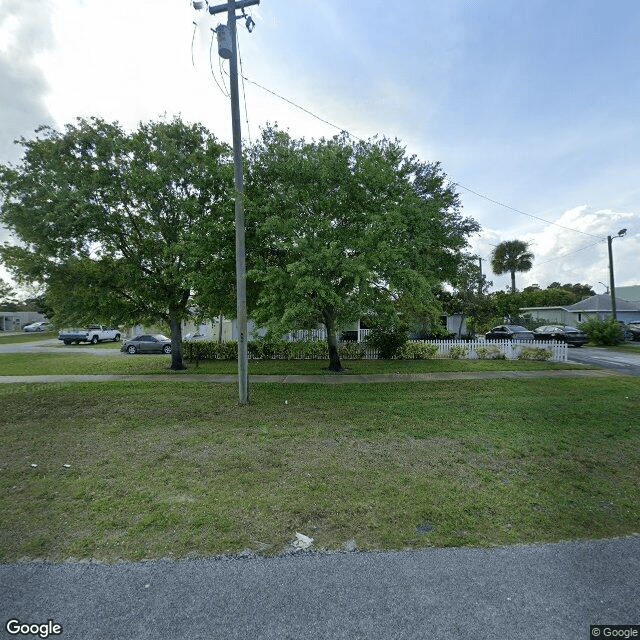
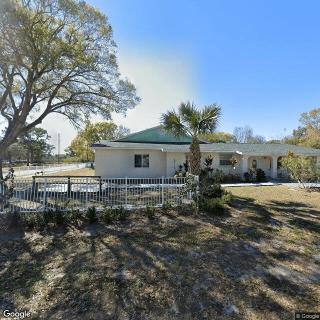
6609 N US Highway 1, Fort Pierce, FL 34946
To contact a resident: (772) 460-0809
For more information about senior living options: (866) 208-4318
Overall Review of Aurora of the Treasure Coast
Pros
 They cater strictly to APD clients, ensuring focused, tailored support.
- Residents have chosen to live there for over ten years, showing strong satisfaction.
- The place is described as amazing by its inhabitants.
- The community offers a stable, long-term living environment.
- The overall experience reflects a clear commitment to APD clients and high-quality care.
Cons
 They cater strictly to "APD" clients.
Review
Aurora of the Treasure Coast is best suited for adults who enter through Florida’s Agency for Persons with Disabilities (APD) and want a residential option built around APD-specific care. The two existing reviews emphasize a highly stable, long-term living environment, noting that residents have chosen to stay for ten years or more and describing the community as “amazing.” This suggests a purpose-built setting where routines, supervision, and programming are tightly aligned with APD goals, rather than a broad, mixed-ability assisted-living model. For families who prioritize continuity of care and a residence where staff know each resident’s APD-related needs inside and out, this community presents a compelling fit.
Those who may want to consider alternatives are families seeking a more mixed population or a setting that serves a wider range of needs beyond APD-specific supports. If independence, broader social programming outside an APD framework, memory-care features, or a more traditional, non-APD-centric atmosphere are priorities, other options may deliver a better match. The limited scope of this community, by design, means the experience centers on APD-aligned care, which can be excellent for eligible residents but less accommodating for those not pursuing APD-based supports or who crave a more diverse resident roster.
The strongest pros offset the main trade-offs through a laser focus on stability and tailored care. An APD-centered model typically yields highly consistent staffing, specialized training, and intentional programming that dovetail with the needs of residents who rely on APD services. The long-tenured resident base seen in the reviews points to predictable routines, dependable supervision, and a culture where caregivers accumulate experience with the same individuals over many years. For families seeking reassurance that their loved one will experience steady daily structure and staff familiarity, these advantages translate into measurable safety, reduced anxiety, and a sense of belonging that comes from a community that “gets” APD-related challenges.
However, the very strength of the APD-first approach becomes a notable limitation for those outside that lane. The admissions focus may create barriers to prospective residents not eligible for APD services or not comfortable with a strictly APD-oriented environment. The trade-off is less social variety and fewer opportunities to engage in programming designed for a broader audience. For families weighing transitions, this can mean a longer or more complicated search if APD-specific eligibility is uncertain or if there is a desire for a more mixed community with neighbors pursuing different kinds of supports and activities.
From a practical decision-making standpoint, families evaluating Aurora of the Treasure Coast should pursue specific, action-oriented inquiries. Ask about the exact level of APD supports provided daily, including supervision, medication management, and crisis response. Inquire about staff qualifications, turnover, and the process for updating individual care plans as needs evolve. Request a transparent view of daily schedules, activity options, and opportunities for resident input to ensure programming aligns with personal interests, not just APD mandates. Clarify the cost structure, what is included in monthly fees, and any out-of-pocket expenses for ancillary services. Finally, verify transition pathways and eligibility criteria to understand how easily new residents enter the community and how long the path remains viable for a given care level.
Overall, Aurora of the Treasure Coast stands out as a strong option for APD-serving adults who prize a stable, dedicated home with long-term residency and care teams attuned to APD requirements. It is not a universal solution for every senior living need. For families whose priorities include engaging a broader, mixed-ability community, expansive social programming beyond APD parameters, or memory-care specifics outside the APD framework, alternatives merit serious consideration. The right choice hinges on matching the resident’s APD-related needs, desired level of independence, and the importance placed on a predictable, APD-focused daily life. When alignment is precise, this community delivers a compelling combination of stability, purpose-built care, and a sense of lasting belonging.
 Assisted Living
 Activities on-site
 Devotional services off-site
 Indoor common areas
 Ambulatory care
 Diabetic care
 Meals provided

 Senior Transition Services: Understanding Their Role, Cost, and Importance
 Exploring the Path to Senior Living: A Comprehensive Look at Independent Living and Assisted Living
 Is Assisted Living Deductible on Your Taxes? Understanding the Complexities of Assisted Living Expenses and Deductions