
9350 La Bianco Street, Fort, FL 33967
For more information about senior living options: (866) 208-4318
Overall Review of The Reserve at Estero
Pros
 The community is wonderful to live in and welcomes people from all over the country.
- It is well managed, maintained, and in a prime location, close to everything, with elbow room and green space.
- The people here are the best.
- It is a beautiful neighborhood with friendly neighbors.
- It is a very friendly, well-maintained, pretty neighborhood.
- It is a great community close to dining, shopping, beaches, medical care, entertainment, and a short drive to RSW Airport.
- The community pool is great, being busy, clean, and safe, with a decent gym for workouts and a nice party room.
Cons
 The HOA has changed hands multiple times in the last five years and is perceived as prioritizing its own interests over residents’ needs.
- There has been excessive flooding from recent storms, and the drainage takes an absurdly long time to clear, making it difficult to drive home safely.
- Their home was damaged during IRMA, and even after repairs they plan to buy nearby but will avoid Toll Brothers communities.
Review
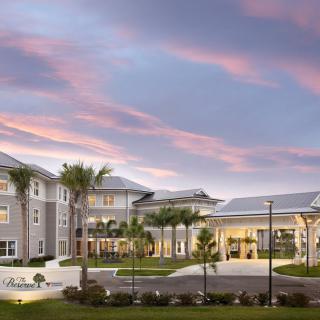
The Reserve at Estero is best suited for active adults who want a vibrant, resort-style lifestyle in Fort Estero, with broad social opportunities and first-rate maintenance. The community is not restricted to 55+, so it attracts a diverse mix of residents from across the country who seek daily interaction, organized activities, and a welcoming neighborly feel. It excels at delivering a built-in social engine: clubs, events, and a calendar that keeps life engaging rather than settling into quiet routine. The setting is visually appealing, with green spaces and well-kept grounds that reinforce a sense of safety and pride. Proximity to dining, shopping, beaches, medical care, and entertainment, plus a short drive to RSW, makes everyday errands and outings effortless.
Not everyone will want to consider this option. Those seeking a true 55+ only environment or a quieter, less HOA-driven experience may prefer alternatives. Buyers who require minimal governance involvement or whom past HOA turnover raises concerns about responsiveness should look elsewhere. The Reserve’s strengths are most meaningful when maintenance, security, and social programming are valued above solitary living. Concern about flood risk and drainage will also push some buyers toward communities with stronger, more transparent drainage solutions and different topography. For families or individuals prioritizing ultra-private space or a different architectural footprint, other enclaves may fit better.
On balance, the strengths significantly offset the positives here. The community’s upkeep and management create a consistently polished impression: common areas are well maintained, landscaping is attractive, and staff interact in a friendly, professional manner. Residents benefit from a robust amenity package, including a high-quality pool, a decent gym, and a well-equipped party room, all of which support a busy social life. The sheer convenience of the location amplifies these advantages, so everyday routines, groceries, dining, healthcare, happen with minimal effort. In short, the environment supports an active, connected lifestyle that few comparable communities can routinely offer.
The main drawbacks center on governance and infrastructure, particularly the HOA and drainage concerns. The HOA has changed hands multiple times in the past five years, which can translate into shifting priorities and uneven responsiveness. Financial and operational transparency becomes essential in such a context. Worse, the area’s history of heavy storms has produced excessive flooding and slow drainage, with reports of water remaining on streets long after rainfall. While the HOA disputes drainage assessments, the lived experience of residents is that drainage issues periodically threaten access and property. These risks are nontrivial for buyers who value predictability and risk mitigation.
These cons do not erase the value the Reserve provides, but they do define who should proceed with caution. For buyers who prioritize social engagement, easy access to services, and a well-kept, amenity-rich setting, the pros often dominate. The apartments and villas feel safer and more effortless to maintain than many non-gated options, and the community’s energy can compensate for some governance hesitations, provided there is a clear understanding of the financial health of the HOA and a plan for drainage improvements. Prospective residents should insist on current reserve fund disclosures, drainage plans, and a transparent maintenance schedule before committing.
In the end, the Reserve at Estero stands as a strong recommendation for active adults who want a lively, well-located, and well-managed community with plenty of ways to stay engaged. It is less suitable for those who require a low-visibility HOA, couple with a higher emphasis on flood-resilience, or who seek a strictly quiet or age-restricted setting. The practical path is to conduct thorough due diligence: speak with several residents about their experiences, review HOA financials, verify drainage improvements, and assess flood exposure for specific lots. When these factors align, the Reserve delivers a compelling, lifestyle-forward choice; when they don’t, it becomes essential to look at alternatives that prioritize stability, climate resilience, and a slightly lower profile.
 6 resident community capacity
 Active Adult Communities (55+)
 Telephone
 Wi-Fi/high-speed internet available
 Southwest Florida International (6 miles away)
 Assistance with dressing
 Meal preparation and service
 Medication management
 Diabetes diet
 Special dietary restrictions




 Powerful Realities of Elder Abuse and the Most Effective Ways to Report It
 Ten Vital Duties of a Senior Caregiver: A Comprehensive Guide
 9 Stimulating Memory Activities for Seniors: Puzzles, Cards, and Much More