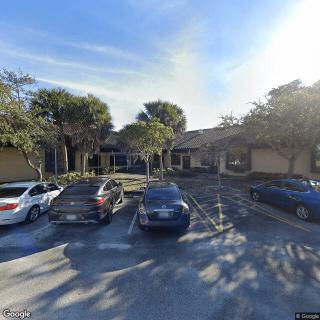
The Palms at Weston is a senior community in Weston, FL.
Information last verified:
16102 Emerald Estates Drive, Weston, FL 33331
For more information about senior living options: (866) 208-4318
4.5 from 103 reviews
5 stars
74
4 stars
16
3 stars
6
2 stars
4
1 stars
3
Overall Review of The Palms at Weston
common11 reviews mention this
Maintenance feels consistently strong
Residents repeatedly describe the property as clean, well kept, and well maintained.
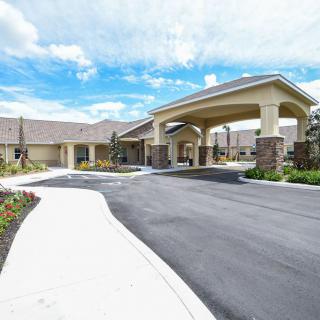
Multiple reviews point out that the community looks clean and feels well maintained, from the units to the shared grounds. Several residents also comment on the landscaped areas and overall upkeep around the clubhouse and pool area. A number of reviewers say the facility looks and feels cared for in day-to-day living.
common10 reviews mention this
Staff are described as helpful
The staff and nurses are frequently described as friendly, attentive, and responsive.
Residents commonly say the staff is friendly and helpful when they need something, and they describe staff as attentive. One review also mentions nurses directly, describing them as accessible and professional. Even among negative comments about valet reliability or a specific building issue, the reviews still describe staff as kind or hardworking.
common6 reviews mention this
Amenities and security stand out
Residents highlight the range of on-site amenities and the security features.
Reviews describe a high-amenity community that feels comfortable to live in, with residents saying the amenities are maintained and usable. One review specifically mentions gated security and valet parking, along with features like a pool and gym. Another review also frames the property as offering a strong amenity experience for active adults.
common6 reviews mention this
Dining draws mixed but real feedback
The on-site restaurant is part of daily life for many residents.
Several reviews mention the community restaurant, including comments that describe the food as excellent and the service as great. Other residents describe the restaurant decor as lacking and say food quality is only fair, with slower service. One reviewer also notes that reservations are required, which points to more structured dining access.
common3 reviews mention this
Built for an active 55+ lifestyle
Reviews describe a lifestyle geared toward active adults.
Some reviews describe the community as an active 55+ setting with on-site classes and a resort-style routine. Others focus on the everyday convenience of being near local shopping and dining options, plus outdoor spaces and recreation nearby. The overall tone is that residents expect an energetic, independent lifestyle rather than a quiet, passive setup.
How we summarize
Counts show how many written reviews mention each theme; a review can touch several themes, and only frequently mentioned themes are displayed.
Features
Housing
6 resident community capacity
Types of Care
Active Adult Communities (55+)
Amenities
Telephone
Wi-Fi/high-speed internet available
Transportation
Fort Lauderdale-Hollywood International (13 miles away)
Miami International (20 miles away)
Care Services
Meal preparation and service
Dining
Diabetes diet
Special dietary restrictions
Nearby Places of Interest
Pharmacies
Walgreens (0.2 miles)
Omnicare of South Florida (0.9 miles)
Walgreens (2.3 miles)
Walgreens (2.5 miles)
CVS Pharmacy (2.6 miles)
CVS Pharmacy (3.2 miles)
Walgreens (3.6 miles)
Restaurants
Chick-Fil-A (0.2 miles)
Graziano's (2.3 miles)
Romeu's Cuban Restaurant (2.5 miles)
McDonald's (2.6 miles)
El Brazo Fuerte Bakery (4.1 miles)
La Antioquena Bakery (4.1 miles)
Cheddar's Scratch Kitchen (4.2 miles)
Hospitals
Cleveland Clinic Florida (1 miles)
Memorial Hospital West (5.1 miles)
UM/Sylvester Clinics At Plantation (7.4 miles)
Memorial Hospital Pembroke (7.9 miles)
Theaters
Cinemark (2.5 miles)
AMC Pembroke Lake 9 (5.3 miles)
Places of Worship
Temple Beth Emet (3.2 miles)
Christ the Rock Community Church (4.7 miles)
Mother Of Our Redeemer Catholic Church (8.8 miles)
Palliative care enhances the quality of life for seriously ill patients by providing comprehensive support at home through a multidisciplinary team, addressing various needs and prioritizing comfort over curative treatments. While it offers personalized care and involves family in decision-making, challenges like caregiver stress and logistical issues persist, with growing demand prompting advancements in technology and healthcare policies to improve access.
Palliative home care focuses on improving the quality of life for individuals with serious illnesses by providing comfort, symptom management, and emotional support in their own homes. This approach includes personalized care plans, regular assessments, and resources for family caregivers, all while prioritizing person-centered treatment that aligns with patients' goals.
Skilled nursing facilities (SNFs) provide high-level medical care and rehabilitation for short-term recovery, typically covered by Medicare after hospitalization, while nursing homes focus on ongoing custodial care for chronic conditions, mainly funded by Medicaid or private payments. The staffing and regulatory structures differ significantly between the two, necessitating clarity for families in choosing appropriate long-term care options.
Get PricingAsk A QuestionSchedule A TourContact Senior Advisor
By clicking submit, you agree to our Partner's Terms of Use. You
also consent to receive calls and texts, which may be autodialed, from our Partner. Your consent is not a condition to
using our Partner's service. Please visit our Partner's Privacy Policy for information about their privacy practices.

 6 resident community capacity
 Active Adult Communities (55+)
 Telephone
 Wi-Fi/high-speed internet available
 Fort Lauderdale-Hollywood International (13 miles away)
 Meal preparation and service
 Diabetes diet
 Special dietary restrictions
 Warm, attentive staff with excellent dining and a robust activity program.
 Exploring Palliative Care in the Home: A Comprehensive Overview
 Comprehensive Insights into Palliative Home Care: What It Is and What to Expect
 Skilled Nursing Facilities vs. Nursing Homes: Making Sense of the Differences