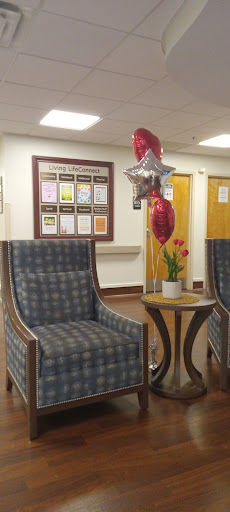
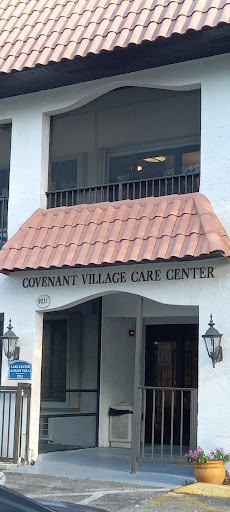
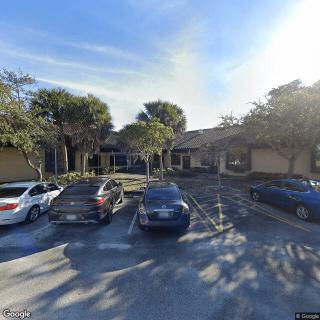
9211 W Broward Blvd, Plantation, FL 33324
To contact a resident: (954) 472-3007
For more information about senior living options: (866) 208-4318
Covenant Village of Florida Costs & Pricing
Covenant Village of Florida offers competitive pricing for residential accommodations when compared to the broader market of Broward County and the state of Florida. For instance, a studio at Covenant Village is available for $2,151 per month, significantly lower than the county average of $3,601 and the state average of $3,823. Similarly, one-bedroom units are priced at $2,790, offering substantial savings compared to Broward County's rate of $3,651 and Florida's overall average of $3,864. The two-bedroom option at Covenant Village also stands out at $3,511, in contrast to the county's $4,474 and state's $4,711 averages. These figures highlight Covenant Village of Florida as an attractive choice for individuals seeking quality living arrangements without compromising on affordability.
| Floor plans | Covenant Village of Florida | Broward County | Florida |
|---|---|---|---|
| Studio | $2,151 | $3,601 | $3,823 |
| 1 Bedroom | $2,790 | $3,651 | $3,864 |
| 2 Bedrooms | $3,511 | $4,474 | $4,711 |
Assisted Living communities with a similar price nearby
-
from +$249 / mo
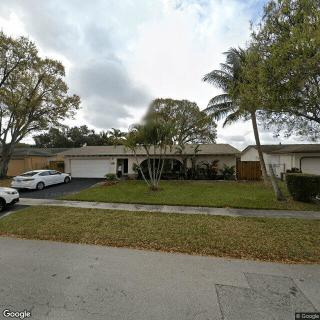
Ana's Assisted Living Facility
$2,400 / month7.5 miles away -
from -$151 / mo
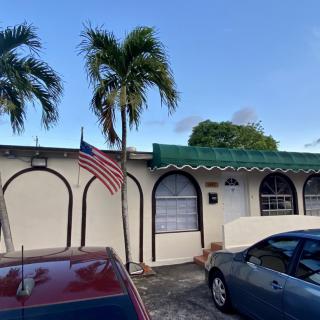
Care and Love Retirement Home
$2,000 to $2,500 / month19.5 miles away -
from +$69 / mo

Miami Jewish Home & Hospital for the Aged
$2,220 to $7,500 / month21.2 miles away -
About the same
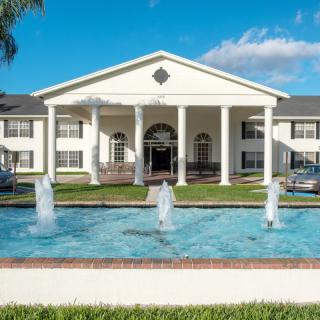
Grand Villa Of Delray East
$2,195 to $4,495 / month24.8 miles away -
from -$151 / mo
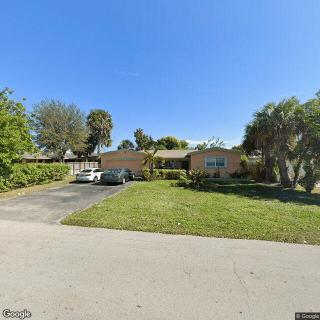
Tender Touch Home Care
$2,000 to $3,000 / month9.2 miles away
Overall Review of Covenant Village of Florida
Cons
 They did not like the community at all.
- There were no windows.
- The building was very old.
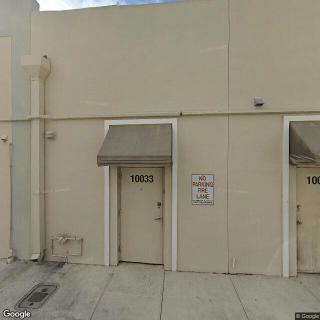
- It felt more like an institution than a real home.
- They did not feel good about leaving mom there.
- The only residents they saw out were the ones who were doing rehab.
Review
Covenant Village of Florida in Plantation is best suited for seniors who don’t mind a traditional, institution-like environment and whose care plan centers on rehabilitation services rather than a warm, residential living vibe. The facility reads as practical and purpose-built for functional care rather than homelike comfort, so it makes the most sense for families prioritizing structured rehab programs and straightforward custodial care over ambience. In short, it serves as a viable option for short-term or post-acute needs where the emphasis is on therapy intensity and routine rather than a welcoming, home-like atmosphere.
Those weighing alternatives should note that this community likely falls short for anyone seeking a bright, daylight-filled setting with modern finishes and a social, residential feel. Families looking for strong on-site social programming, abundant common areas, and spaces that feel like a true home may find other options in the area more aligned with their expectations. Long-term living with a focus on ongoing companionship, engaging activities, and a vibrant community life should push decision-makers to explore other campuses whose design and programming are oriented toward a more residential experience.
The principal drawbacks are tangible and immediately influential on daily life. There are no windows in the described space, and the building’s age contributes to a perception of heaviness and confinement. An environment that resembles an institution more than a home can erode the sense of safety, warmth, and belonging that families value for a loved one. The reviewer’s impression that leaving mom there did not feel right underscores a critical misalignment: the setting appears to prioritize clinical function over emotional comfort. When the physical atmosphere clashes with the desire for a dignified, comforting home, independent living quality suffers.
On the surface, a possible pro might be the on-site rehab orientation, the implication that therapy and rehabilitation are supported within the same campus. If a resident's primary goal is post-acute recovery, this can be a practical arrangement. Yet the benefit of ready rehab services is eclipsed if the space itself is off-putting or feels impersonal to residents and their families. The visible reality, mostly rehab-focused residents seen outside, suggests a segregated, clinical environment rather than an active, integrated community for all residents. In practice, the rehab emphasis does not offset the core issues of atmosphere and livability.
For families facing a decision, the takeaway is clear: the aesthetic and social climate matter just as much as the care plan. Before choosing, demand a firsthand look at daylight in multiple rooms and common areas, and request information about recent renovations or planned updates that could soften the institutional feel. Speak with staff about daily activities, resident engagement, and the vocabulary used to describe everyday life; try to converse with current residents about how they experience living there. Compare these impressions with nearby alternatives that offer more residential architecture, larger windows, and a visibly active community.
The bottom line is decisive. Covenant Village of Florida is unlikely to deliver the home-like, engaging, and uplifting experience that many seniors and families prioritize for long-term living. It may function adequately for short-term rehab needs or very practical care, but the absence of daylight, the aged, institutional ambiance, and the perceived distance from a true community life make it a poor fit for those seeking a warm, inviting home at the center of daily living. Families should prioritize facilities with brighter, more modern design, plentiful social programming, and a genuine residential feel. If rehab needs are ongoing, pursue facilities that can pair robust therapy with spaces that feel comfortable and homey, or consider alternatives in the area that better align with the emotional and social priorities essential to a senior’s well-being.
 Assisted Living
 Independent Living
 Cats allowed
 Dogs allowed
 Activities off-site
 Bath tubs
 Beautician on-site
 Devotional services off-site
 Indoor common areas
 Outdoor common areas
 Respite or short term stays offered
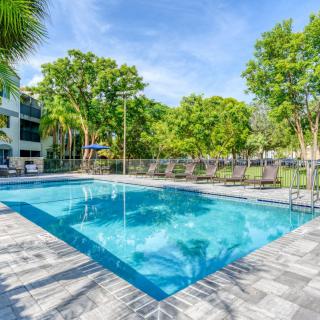
 Swimming pool / hot tub
 Wheelchair accessible showers
 Fort Lauderdale-Hollywood International (8 miles away)
 Ambulatory care
 Diabetic care
 Incontinence care
 Medication management
 Meals provided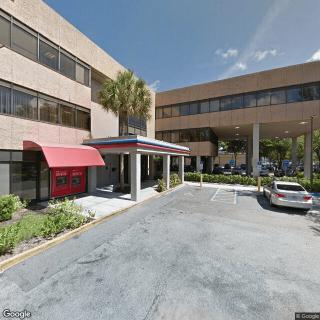
 Convenient location with access to amenities and healthcare.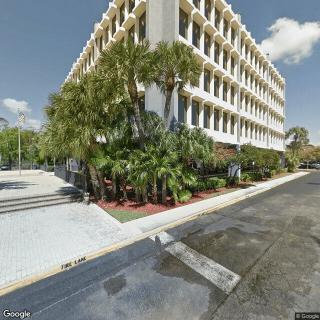

 How and When Medicaid May Cover Assisted Living Costs
 A Detailed Exploration of Assisted Living Medicaid Waivers Across the United States
 Comprehensive Residential Support and Assisted Living Solutions for Individuals with Disabilities