
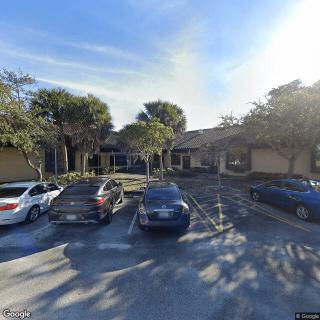
20250 South West 50Th Place, Sw Ranches, FL 33332
For more information about senior living options: (866) 208-4318
Overall Review of Alternate Group Care
Pros
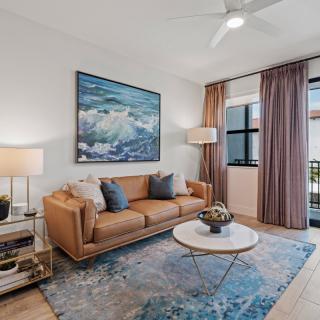
 The April group home is a beautiful estate oasis in Southwest Ranches.
- It has a beautiful house with a caring staff.
- It cares for young adults with disabilities.
- The reviewers like it.
Review
Alternate Group Care in Southwest Ranches, Florida is best suited for families seeking a high-quality, residential option for young adults with disabilities who want a warm, home-like setting rather than a clinical or institutional feel. The estate-style property presents a dignified, tranquil environment, described as an “estate oasis,” where daily life unfolds in a non-institutional atmosphere. The two reviews consistently point to a beautiful house and a caring staff, signaling a climate that emphasizes comfort, privacy, and personal attention. For families prioritizing gentle routines, familiar surroundings, and a respectful pace, this option checks those boxes more reliably than a generic group home or larger care facility.
Those weighing alternatives should consider options tailored to seniors, memory care, or individuals requiring more intensive medical oversight and structured clinical programming. If the client population shifts toward older adults with dementia, multiple chronic conditions needing continuous nursing care, or highly regimented rehabilitation schedules, other facilities may deliver a more explicit clinical framework or deeper medical integration. In short, this setting appears optimized for young adults with disabilities who benefit from a home-like, relationship-centered approach rather than a medically intensive care milieu.
The most evident pros, the setting’s beauty and the evident warmth of the caregiving staff, are not merely cosmetic. A beautiful estate can reduce environmental stress and promote a sense of safety and belonging, which matters profoundly for young adults navigating independence and transition. The staff attribute carries additional weight: compassionate, consistent caregiving underpins daily routines, social engagement, and adherence to individual preferences. Together, these strengths can translate into higher engagement, steadier days, and reduced anxiety, which often matter as much as a formal program plan in shaping outcomes for this demographic.
Yet the limited depth of publicly available information constitutes the principal gap. The brief reviews offer no detail on programming specifics, activity schedules, therapy availability, transportation, or measurable outcomes. There is no explicit confirmation of on-site medical personnel, the scope of clinical supports, or how emergencies are managed beyond the implied safety of a private, home-like setting. The small sample size (two reviews) means potential families should verify critical elements such as staffing ratios, qualifications, and the range of services to ensure alignment with individual needs. The focus on young adults also limits applicability for anyone outside that cohort.
These strengths offset several potential concerns when the goal is a nurturing, person-centered living experience for young adults with disabilities. The combination of an upscale, homey environment and a caring team reduces the risk that daily life feels clinical or impersonal, a common worry in larger group settings. In situations where independence, mutual respect, and social integration are primary objectives, the estate atmosphere and staff warmth can deliver meaningful momentum. However, the absence of detailed program data means an evaluator must confirm that the intangible benefits align with concrete supports, schedules, and safety metrics before committing.
For families moving forward, a decisive approach is advised. Schedule a tour and request concrete examples: a typical week’s schedule, a sample menu, activity options, and therapy or life-skills supports available on-site. Inquire about staffing structure, numbers on duty, background checks, ongoing training, and crisis-response protocols. Ask for references from families with similar goals and for outcomes data that reflect progress toward independence, community integration, or targeted milestones. Finally, clearly establish what constitutes success and how progress is measured, then compare with alternatives that offer more explicit clinical oversight or a broader range of age groups. In the end, Alternate Group Care stands out as a compelling, well-regarded home-style option for young adults with disabilities who prize atmosphere and personal attention; for those whose priorities extend into advanced medical care or different age ranges, other paths warrant careful exploration.
 8 resident community capacity
 Assisted Living
 Cable or satellite TV
 Dining room
 Fully furnished
 Garden
 Housekeeping services
 Move-in coordination
 Outdoor space
 Telephone
 Wi-Fi/high-speed internet available
 Fort Lauderdale-Hollywood International (17 miles away)
 24-hour supervision
 Activities of daily living assistance
 Assistance with bathing
 Assistance with dressing
 Assistance with transfers
 Diabetes diet
 Meal preparation and service
 Medication management
 Special dietary restrictions
 Transportation arrangement (medical)
 Transportation to doctors appointments



 Assisted Living Expenses and Long-Term Care Insurance: A Comprehensive Exploration
 Securing Financial Support for Assisted Living: A Comprehensive Overview
 Social Security Benefits and Assisted Living: Navigating Options Across the U.S.