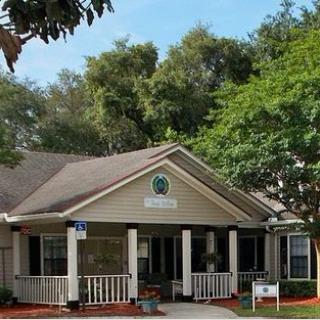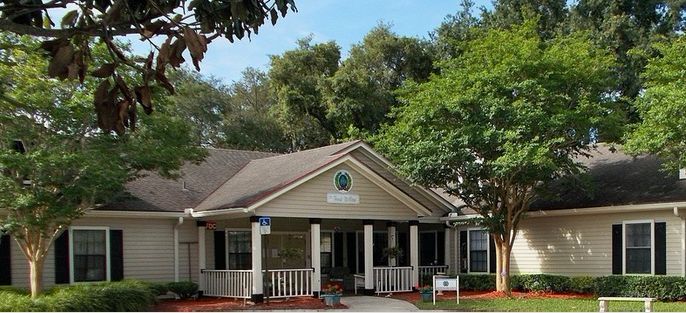
1550 Nectarine Street, Fernandina Beach, FL 32034
For more information about senior living options: (866) 208-4318
Overall Review of The Jane Adams House
Pros
 The staff are compassionate and professional.
- The staff are nice and friendly.
- The facility feels like a private home with attentive staff who know residents by name.
- The location is great and convenient.
- The facility is very clean, well maintained, and odor-free.
- The grounds are beautiful and inviting.
- The administrator is considered the heart of the place and is highly regarded.
- Residents thrive under the care provided, with meals and daily tasks well managed.
- The care team is caring, informative, and reassuring.
- The rooms are inviting and personalized, making it feel homelike.
Cons
 The facility seems rather old.
- The facility did not have the level of care the sister needed.
- The facility offered limited activities.
Review
The Jane Adams House in Fernandina Beach is best suited for seniors who want a warm, home-like atmosphere with genuinely attentive care, particularly for memory-support needs. The community comes through as small-to-mid-sized, with a neighborly feel where staff-to-resident relationships matter more than sheer scale. Families seeking daily updates, personal touches, and a hands-on administrator-led culture will find the environment aligns with those priorities. The reviews repeatedly highlight compassionate, professional caregivers, clean spaces, and a setting that feels more like a private home than a clinical campus. For memory care at a modest, human scale, this option stands out.
If the objective is a broader program of activities, a more modern architectural footprint, or a facility with a village-like campus, this community may feel limited. One review notes that activities can be somewhat constrained, which matters for residents who thrive on a busy social calendar or a wider array of programming. Additionally, the building has an older look and feel, even though it’s well maintained; families who equate modern design with quality care might want to compare newer campuses. The location near amenities is a plus, but the trade-off is that the footprint may not satisfy those who insist on expansive common spaces or frequent outside-the-home excursions.
The strongest upside is how the pros offset the potential drawbacks. The staff is consistently described as kind, caring, and highly engaged, with administrators who are accessible and deeply involved in daily life. Cleanliness and odor control are repeatedly commended, helping to reassure families about health and comfort. The home-like layout, private rooms that still feel personal, inviting porches, and spaces that encourage conversation and companionship, supports a sense of dignity and autonomy that families often seek for their loved ones. The intimate size also means staff can tailor routines, monitor meds and meals closely, and foster meaningful interactions that feel individualized rather than task-driven.
Care quality in memory support is a clear strength. Residents in memory care appear to benefit from hands-on routines that cover medications, meals, and daily tasks, contributing to improvements in well-being and engagement. The care team is described as attentive to personal histories and preferences, with staff who know residents by name and engage with them consistently. In practice, families report that the administrator and the regional manager emphasize a cohesive, person-centered approach, and that family communication is reliable, an essential factor for those managing complex care at home.
Cost considerations naturally factor into decisions, and the community’s flexibility on insurance appears appealing to many families. The facility leans into a home-like aesthetic, personal touches in rooms, choices about color, and even furniture arrangements that create a familiar, comforting setting. Some residents are in semi-private rooms, which can offer a balance between companionship and privacy; families should confirm room configurations and any related costs. The proximity to the hospital is reassuring for those prioritizing quick access to medical care, a practical advantage for ongoing memory care or post-acute needs.
Bottom line: this community is a strong match for families prioritizing a small, intimate, home-inspired environment with exceptionally caring staff and a transparent, relationship-led approach to memory care. It excels for residents who value routine, personalized attention, and consistent family communication, with the added reassurance of hospital proximity. Those seeking a more dynamic activities calendar, a newer facility aesthetic, or a larger campus with expansive amenities may want to explore alternatives. A focused tour should test memory care workflows, administrator accessibility, and the reality of daily life in common areas to confirm the fit before committing.
 40 resident community capacity
 Assisted Living
 Respite Care
 Beauty salon
 Cable or satellite TV
 Dining room
 Fully furnished
 Garden
 Housekeeping services
 Kitchenette
 Move-in coordination
 Outdoor space
 Restaurant-style dining
 Small library
 Telephone
 Wi-Fi/high-speed internet available
 Jacksonville International (18 miles away)
 24-hour call system
 Activities of daily living assistance
 Assistance with bathing
 Assistance with dressing
 Assistance with transfers
 Diabetes diet
 Medication management
 Mental wellness program
 Special dietary restrictions





 Understanding the Distinctions: Assisted Living and Memory Care Explained
 Guiding Elderly Parents Who Refuse Assisted Living: 6 Practical Steps
 Your Comprehensive Guide to Luxury Assisted Living: Elevated Facilities, Amenities, and Costs