
2808 Ruleme Street, Eustis, FL 32726
For more information about senior living options: (866) 208-4318
Overall Review of Opis Ruleme Place
Pros
 Jasmine goes out of her way to relay messages to the nurses to ensure the family member gets messages if they cannot visit in person.
- The staff at Ruleme is helpful.
- The reviewer feels confident the family member is in good hands thanks to Jasmine.
Cons
 The facility has run out of the patient’s pain meds and antibiotics.
- The patient’s pick line keeps clogging.
- They have not provided the patient with a nicotine patch.
- The doctor walked out while the patient was asking questions.
- No transfer papers were ever sent for the transfer.
- The lemonade tasted watered down and the food is nasty.
- The staff do not answer the call button.
Review
Opis Ruleme Place in Eustis, FL is best suited for families that prize a visible, ongoing frontline advocacy pattern, someone in the building who consistently bridges the gap between loved ones and clinical staff. In practice, that translates to a setting where a trusted receptionist or front-desk presence can become a dependable conduit for messages and updates, giving families a sense of hands-on oversight even when they cannot be there in person. The strongest signal from the reviews is that one staff member in particular, Jasmine, embodies this role and, for some residents, that personal connection can be the difference between peace of mind and persistent concern.
That said, potential residents should explicitly consider alternatives if medical reliability and seamless care handoffs are non-negotiable. The most consequential red flags in the feedback point to inconsistent clinical oversight: shortages of pain meds and antibiotics, clogged lines, and missing medical items like nicotine patches. When such gaps occur, they quickly erode trust that the facility can manage complex needs, even if the environment feels friendly or the administrative staff is responsive. Families who require steady medication management, timely physician engagement, and flawless transfer logistics would be wise to explore other options with stronger track records in medical operations and care coordination.
On the positive side, the standout communication example matters. The receptionist’s diligence, someone who relays messages to nurses and ensures messages reach the right hands, can improve daily experience, reduce frustration, and reduce delay in basic information flow. The presence of a stable, years-long staff relationship in the building can contribute to consistency in how residents are treated day to day, and it is reasonable to expect that front-line staff will continue to advocate for residents when medical teams lag. These strengths matter for residents who are relatively stable, who rely on routine care, and who value a warm, approachable front desk as part of their care ecosystem.
However, the most troubling elements of the experience overshadow those positives. Repeated medication shortages, a clogged pick line, and an inability to deliver a nicotine patch reflect fundamental gaps in clinical readiness and response. The report of a doctor walking out mid-conversation and unresolved transfer paperwork further underscores a systemic weakness in coordination with higher-level care. Food quality concerns and unaddressed call buttons amplify the sense that resident comfort and timely assistance can falter under pressure. In practical terms, these issues create real risk for anyone with significant medical or cognitive needs, and they cannot be dismissed as minor inconveniences.
In weighing the pros against the cons, the staff’s ability to relay messages and maintain a friendly, responsive front desk can offset some daily annoyances but cannot compensate for ongoing gaps in medication management and care continuity. For families who can actively supervise or supplement in-house processes, an internal point person, regular external checks, or a willingness to escalate quickly, Ruleme Place can function as a comfortable, communicative environment. Yet for those seeking dependable clinical reliability, the gaps in med access, transfer handling, and rapid physician involvement push this option toward the second tier of consideration.
The practical takeaway is clear. Prospective families should evaluate how much value attaches to a trusted frontline advocate versus the certainty of consistent medical operations. If seamless medication administration, timely doctor engagement, and flawless transfer logistics are non-negotiable, this community requires cautious scrutiny or outright comparison with facilities that demonstrate stronger medical continuity. Ask direct questions about medication stock management, nursing coverage ratios, response times to call buttons, and transfer protocols. Seek concrete examples of how leadership addresses med shortages and ensures swift physician engagement. If those answers feel hollow, the prudent move is to look elsewhere, even while recognizing that the administrative support network can deliver genuine, day-to-day reassurance in other, less medically fragile aspects of care.
 40 resident community capacity
 Assisted Living
 Respite Care
 Beauty salon
 Cable or satellite TV
 Dining room
 Fully furnished
 Garden
 Housekeeping services
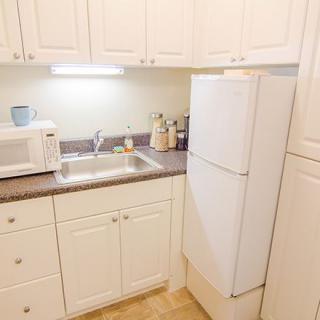
 Kitchenette
 Move-in coordination
 Outdoor space
 Restaurant-style dining
 Small library
 Telephone
 Wi-Fi/high-speed internet available
 24-hour call system
 Activities of daily living assistance
 Assistance with bathing
 Assistance with dressing
 Assistance with transfers
 Diabetes diet
 Medication management
 Mental wellness program
 Special dietary restrictions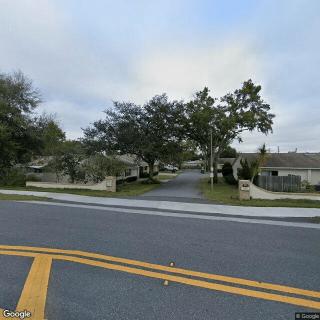


 Understanding the True Cost of Assisted Living in 2025: A Comprehensive Guide
 Understanding Medicaid Coverage for Assisted Living: A Comprehensive Guide
 How and When Medicaid May Cover Assisted Living Costs