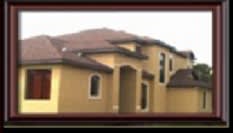
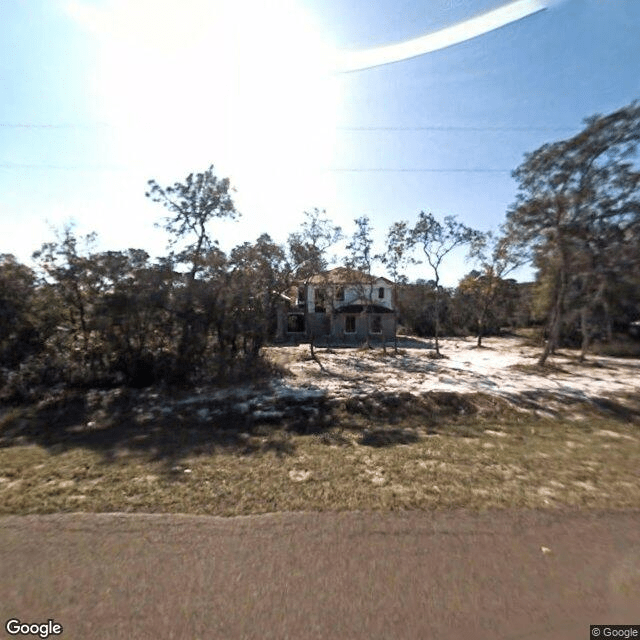
42042 Chinaberry Street, Eustis, FL 32736
For more information about senior living options: (866) 208-4318
At Home Care Assisted Living Facility Costs & Pricing
At Home Care Assisted Living Facility offers competitive pricing for its services compared to both Lake County and the broader Florida market. For a semi-private room, residents can expect to pay $3,000 per month, which is notably lower than the county average of $3,119 and slightly below the state average of $3,009. Private rooms are priced at $3,200, again presenting a more affordable option than Lake County's average rate of $4,081 and remaining below Florida's overall average of $3,699. Additionally, those looking for a studio will find At Home Care's monthly fee of $3,800 to be on par with the state average while being less than the county's higher figure of $3,205. These cost structures reflect At Home Care's commitment to providing quality care at prices designed to accommodate various budgets within a supportive community environment.
| Floor plans | At Home Care Assisted Living Facility | Lake County | Florida |
|---|---|---|---|
| Semi-Private | $3,000 | $3,119 | $3,009 |
| Private | $3,200 | $4,081 | $3,699 |
| Studio | $3,800 | $3,205 | $3,823 |
Memory care communities with a similar price nearby
-
from -$400 / mo
Faith House Of Winter Park
$2,600 to $3,100 / month24.8 miles away -
from -$100 / mo
Oakmonte Village Of Lake Mary
$2,900 to $4,200 / month15.5 miles away -
from -$305 / mo
Vitality Living Lake Forest
$2,695 to $4,795 / month11.8 miles away -
About the same
Brookdale DeLand
$3,060 to $5,040 / month10.1 miles away -
from +$475 / mo

Osprey Lodge
$3,475 to $6,165 / month18.8 miles away
Overall Review of At Home Care Assisted Living Facility
Pros
 It feels like a family and like being in someone's home.
- The staff are wonderful and caring, and the meals are excellent.
- The small size allows residents to receive a lot of individual attention.
- There are music, art, and other activities tailored to residents' abilities.
- The environment is peaceful and home-like, with staff who keep families in the loop.
- It is family-owned and operated, with a personal chef for the residents.
- The facility is clean and offers home-cooked meals.
- It uses technology to share updates and supports regular check-ins.
Cons
 It lacked a homey feel and did not make her feel like it was the right place.
- She didn’t fit as well there, and it was too far from her house.
- The other facilities are too big.
Review
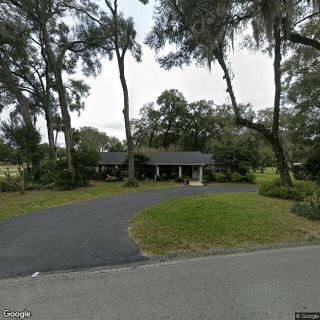
At Home Care Assisted Living Facility in Eustis, Florida is best suited for families seeking a truly intimate, home-like setting where a small staff-to-resident ratio translates into highly personalized attention. The community operates with about six residents, creating a private-home atmosphere rather than a sprawling campus. It suits seniors who value routine, meaningful interaction, and a calm, non-institutional vibe. A family-owned model, run by a husband-and-wife team with a brother who serves as chef, further reinforces a atmosphere of warmth, consistency, and direct oversight. For residents who thrive on frequent, hands-on care and easy access to those caring for them, this setting can feel uniquely reassuring.
There are clear beneficiaries who should consider alternatives. Families evaluating more medicalized care or specialized memory support may want to look elsewhere, as a six-resident, family-operated home setting typically cannot match the staffing levels or clinical resources of larger assisted living campuses or dedicated memory care facilities. Those needing robust on-site nursing, complex wound care, or 24/7 monitoring will likely find better alignment elsewhere. Additionally, families who prioritize proximity to a larger urban center or who prefer a more expansive social calendar and activity roster may prefer a bigger community with greater programming options.
The strongest positives of At Home Care offset the major drawbacks in practical, concrete ways. The tiny scale guarantees frequent individual attention, with residents receiving tailored activities, meals, and daily routines that feel bespoke rather than impersonal. Cleanliness is repeatedly noted, as is the quality of the meals, home-cooked, balanced, and prepared by the resident chef, delivering dignity and taste that families appreciate. The intimate setting makes communication very direct: families can expect prompt updates, unannounced visits, and straightforward conversations with the caregiving team, which reduces anxiety and builds trust. These advantages serve to counterbalance any concern about limited social variety or fewer amenities typical of a small operation.
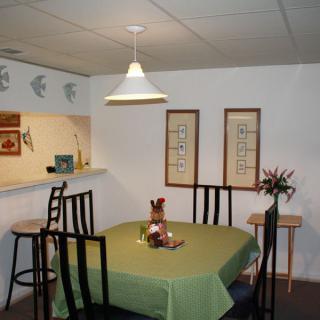
Beyond the basics, the facility excels in delivering practical, family-centered advantages. The environment is described as cozy and non-sterile, with residents enjoying music, art, and activities tailored to their abilities, all within a peaceful home milieu. The on-site chef offers a tangible quality, and the family ownership model translates into highly accessible leadership and quick problem resolution. Technological touches, regular photo updates, texts, and even Skype-enabled connections, allow families to stay close, monitor well-being, and feel confident in daily care without feeling intrusive. Open invitations for family engagement and a transparent, no-nonsense approach to care are consistently highlighted as standout strengths.
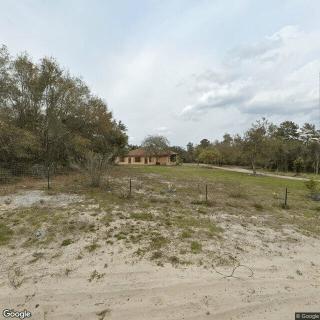
Nevertheless, certain caveats warrant consideration. One reviewer noted that the setting did not feel as homey as hoped, signaling that expectations for warmth and familiarity can vary from person to person. The rural, country-area location, while appealing to many, can pose transportation or accessibility challenges for some families, especially if frequent in-person visits are needed or preferred. The small size, while a strength for personalized care, can limit the breadth of activities and the range of social opportunities for residents who crave constant stimulation or a broader community presence. Finally, for residents with complex medical or dementia-specific needs, the care footprint may not cover the required level of clinical support.
In the end, the decision hinges on matching a resident’s needs to this community’s distinct profile. For families prioritizing a home-like, family-owned setting with deeply attentive care, high-quality home cooking, and transparent, tech-enabled communication, At Home Care Assisted Living Facility offers a compelling, practical fit. Pros, personal attention, cleanliness, excellent meals, and open leadership, tightly align with the goal of preserving independence and dignity in a secure, intimate environment. If those criteria align with the resident’s preferences and medical needs, scheduling a visit, meeting the chef-owners, and testing the unannounced-access model will yield a clear verdict. If, instead, a resident requires heavier medical oversight, a broader activity calendar, or a more expansive community, alternatives with larger staff rosters and enhanced clinical resources should be pursued.
 6 resident community capacity
 Assisted Living
 Board and Care Home
 Memory Care
 Respite Care
 Activities off-site
 Bath tubs
 Beautician on-site
 Cable or satellite TV
 Devotional services off-site
 Dining room
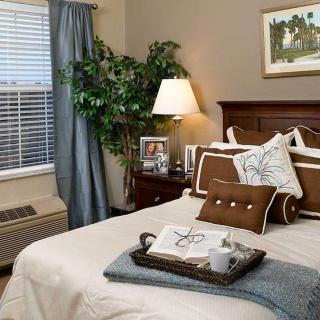
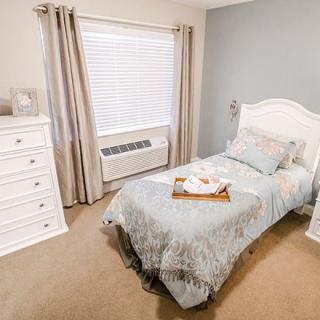
 Fully furnished
 Garden
 Housekeeping services
 Indoor common areas
 Move-in coordination
 Outdoor common areas
 Private
 Telephone
 Wheelchair accessible showers
 Wi-Fi/high-speed internet available
 24-hour supervision
 Ambulatory care
 Assistance with bathing
 Assistance with dressing
 Assistance with transfers
 Diabetes diet
 Incontinence care
 Meal preparation and service
 Medication management
 Special dietary restrictions
 Transportation arrangement (medical)
 Transportation to doctors appointments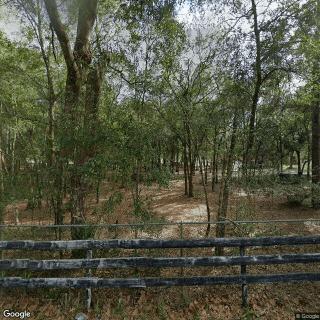

 Estimating the Expenses of At-Home Dementia Care: A Detailed Exploration
 Comprehensive Insights on the Late Stages of Dementia: What to Expect and How to Provide Care
 Medications Associated with Dementia Risk: A Comprehensive Overview