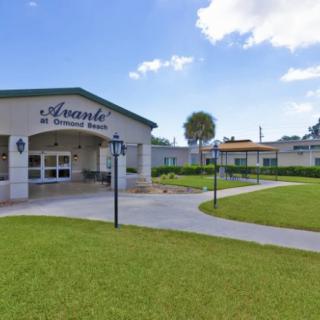
Garden Manor is an assisted living community in Daytona Beach, FL.
Information last verified:
1562 Garden Avenue, Daytona Beach, FL 32117
For more information about senior living options: (866) 208-4318
3.7 from 100 reviews
5 stars
62
4 stars
5
3 stars
2
2 stars
4
1 stars
27
Overall Review of Garden Manor
differentiator12 reviews mention this
Wound care is frequently praised
Wound care is one of the most consistently praised parts of stays.
Multiple residents and families specifically call out the wound care team for hands-on attention and follow-up as wounds heal. Reviews mention wound care nurses helping manage ongoing wound needs, along with clinicians who took time to explain treatments. Even among critical reviews, wound care is sometimes singled out as a positive exception.
differentiator17 reviews mention this
Therapy support stands out
PT and OT help residents work toward mobility goals.
Residents and families often describe physical and occupational therapy as attentive, skilled, and focused on measurable progress. Several reviews credit the therapy teams with starting quickly, encouraging daily improvement, and adjusting help based on comfort or limitations. A smaller set of reviews are dissatisfied with rehab delivery, including concerns that therapy did not meet expectations, but the overall theme from many others is strong therapeutic support.
common14 reviews mention this
Cleanliness earns strong mentions
Many reviews describe a clean facility and rooms.
A large number of reviews mention cleanliness—clean hallways and rooms, a lack of unpleasant odors, and housekeeping keeping up with day-to-day upkeep. Some families also note that bathing and room cleaning were handled consistently, while others describe specific cleanliness lapses like unclean bathrooms, dirty linens, or sticky floors. When cleanliness is criticized, it is tied to daily care concerns rather than the facility’s outside appearance.
caveat9 reviews mention this
Staffing speed and call response
Some families report slow responses to call lights.
Several negative reviews describe long waits for help with toileting or mobility, along with situations where residents were left sitting for extended periods. A number of these comments also pair responsiveness issues with concerns about disrespectful or rough interactions. Other reviews counterbalance this by describing attentive nursing and aides who were there when needed, but the responsiveness gap remains a recurring criticism among dissenting reviewers.
caveat6 reviews mention this
Food quality and diet concerns
Food reviews are mixed, including diet-related complaints.
Some families say meals were enjoyable, with options available and good experiences during rehab stays. At the same time, multiple critical reviews mention food quality problems and specific concerns for residents with diabetes or other dietary needs, including receiving the wrong foods or not getting the diet support they expected. Overall, dining is a theme where experiences vary noticeably between reviewers.
common6 reviews mention this
Activities help residents stay engaged
Activities and recreation are mentioned as a bright spot.
Several reviews highlight the activities program, including staff who plan engaging events and help residents stay content. Families also describe activity spaces and social offerings as part of a fuller rehab or long-term experience. A few reviews focus mainly on clinical care, but when activities are discussed, they are generally framed as supportive for keeping residents engaged day to day.
How we summarize
Counts show how many written reviews mention each theme; a review can touch several themes, and only frequently mentioned themes are displayed.
Features
Housing
28 resident community capacity
Types of Care
Assisted Living
Respite Care
Amenities
Beauty salon
Cable or satellite TV
Dining room
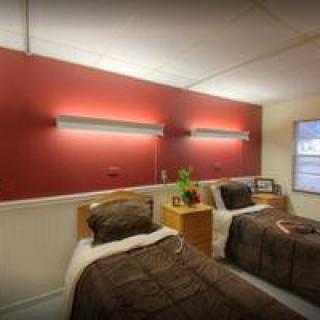
Fully furnished
Garden
Housekeeping services
Kitchenette
Move-in coordination
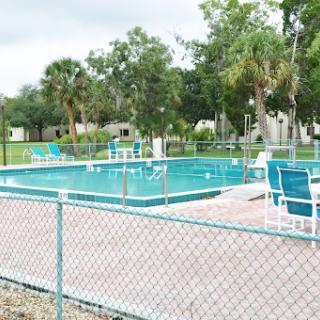
Outdoor space
Restaurant-style dining
Small library
Telephone
Wi-Fi/high-speed internet available
Transportation
Daytona Beach International (5 miles away)
Care Services
24-hour call system
24-hour supervision
Activities of daily living assistance
Assistance with bathing
Assistance with dressing
Assistance with transfers
Diabetes diet
Meal preparation and service
Medication management
Mental wellness program
Special dietary restrictions
Dining
Diabetes diet
Special dietary restrictions
Activities
Community-sponsored activities
Resident-run activities
Scheduled daily activities
Nearby Places of Interest
Pharmacies
Holly Hill Pharmacy (0.4 miles)
Walgreens (1.1 miles)
Winn-Dixie (1.1 miles)
Walgreens (1.6 miles)
Winn-Dixie (2.3 miles)
Walgreens (2.5 miles)
Walgreens (2.6 miles)
Parks
Sunrise Park (0.8 miles)
Ross Point Park (1.5 miles)
Andy Romano Beachfront Park (1.8 miles)
Peggy Schnelby Recreation Center * Tennis Courts (2.1 miles)
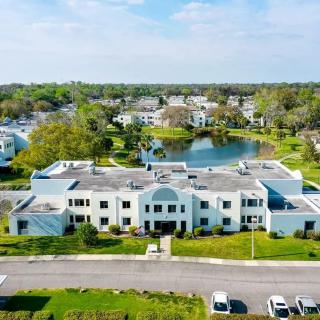
The article compares assisted living and skilled nursing facilities, detailing their differing levels of assistance, medical support, cost structures, and day-to-day experiences. It emphasizes that assisted living is for those needing help with daily activities while maintaining independence, whereas skilled nursing facilities provide intensive medical care with 24-hour staff supervision.
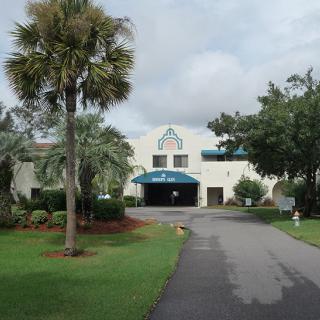
The transition from assisted living to skilled nursing care is often prompted by complex medical needs that assisted living cannot meet, with key indicators including frequent health declines, increased falls, severe memory issues, and caregiver burnout. Families should recognize these signs early to discuss options with healthcare providers and prepare for the emotional and logistical aspects of moving to a facility that offers comprehensive medical support.
Vibrant Senior Living emphasizes active senior living communities that promote independence and engagement through diverse amenities and activities, fostering wellness and social interaction among older adults. These communities range from independent to assisted living, with a focus on personal growth, family involvement, financial planning, and leveraging technology to enhance residents' experiences.
Get PricingAsk A QuestionSchedule A TourContact Senior Advisor
By clicking submit, you agree to our Partner's Terms of Use. You
also consent to receive calls and texts, which may be autodialed, from our Partner. Your consent is not a condition to
using our Partner's service. Please visit our Partner's Privacy Policy for information about their privacy practices.

 28 resident community capacity
 Assisted Living
 Respite Care
 Beauty salon
 Cable or satellite TV
 Dining room
 Fully furnished
 Garden
 Housekeeping services
 Kitchenette
 Move-in coordination
 Outdoor space
 Restaurant-style dining
 Small library
 Telephone
 Wi-Fi/high-speed internet available
 Daytona Beach International (5 miles away)
 24-hour call system
 Activities of daily living assistance
 Assistance with bathing
 Assistance with dressing
 Assistance with transfers
 Diabetes diet
 Medication management
 Mental wellness program
 Special dietary restrictions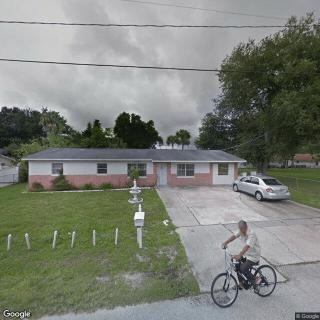
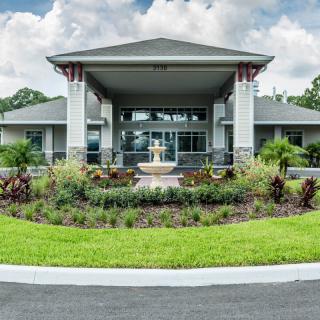
 Intimate, personalized care in a small, fully furnished community.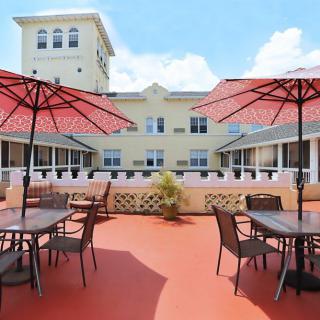

 Exploring the Contrasts Between Assisted Living and Skilled Nursing
 8 Key Indicators That Suggest It May Be Time to Transition from Assisted Living to Skilled Nursing Care
 Vibrant Senior Living: A Comprehensive Guide for Active Older Adults