
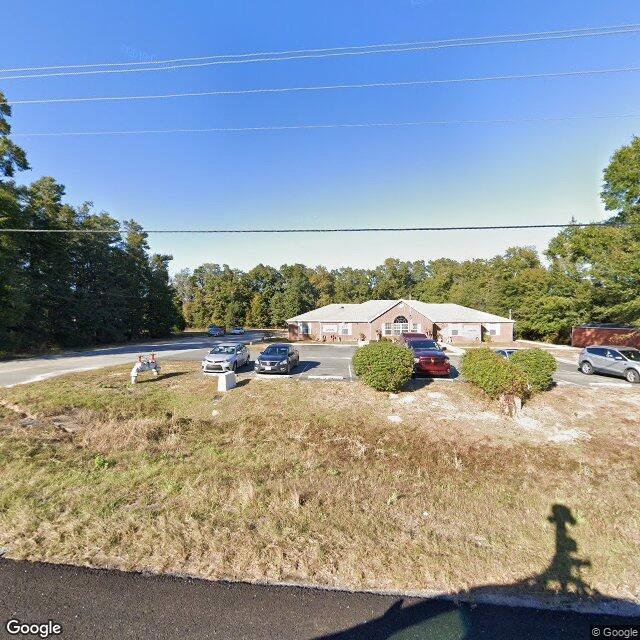
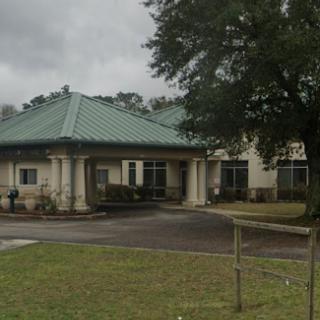
3215 EAST JAMES LEE BLVD, Crestview, FL 32539
To contact a resident: (850) 423-1228
For more information about senior living options: (866) 208-4318
Overall Review of Carington Manor
Pros
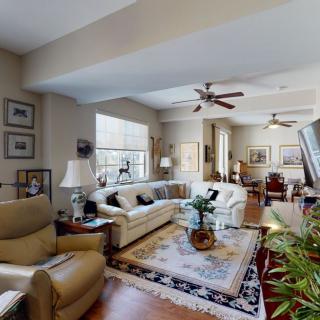
 Carrington Manor is described as very nice and homey, with rooms that are nicely decorated.
- The cleanliness at Carrington Manor is excellent.
- The staff are very nice and caring.
- The meals at Carrington Manor are all home cooking.
- The owner, Sandy, is a very nice, compassionate lady.
- Carrington Manor feels like a home from home, rather than just a nursing facility.
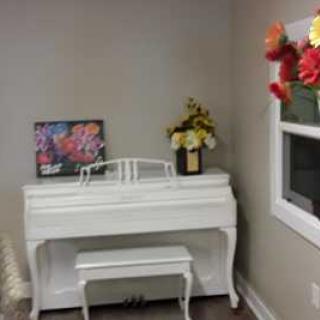
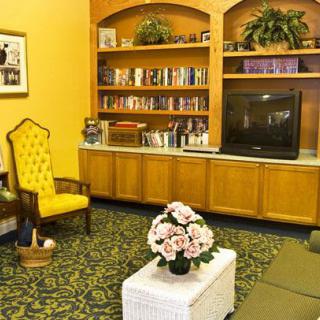
- The distinctive rooms (butterfly, palm tree, and carousel) plus a library and a salon contribute to a homelike atmosphere.
Cons
 The reviewer notes that Carrington Manor has few amenities beyond a patio and a common room.
- The reviewer says Carrington Manor is more geared toward residents with dementia, which made it unsuitable for their mother who did not have a dementia diagnosis.
- The reviewer expresses frustration over a lack of communication about their mother's placement and the delays in getting explanations.
- The reviewer criticizes the facility's email system as not working and mentions the possibility of posting questions on Facebook.
Review
Carington Manor in Crestview, Florida is best suited for families seeking a small, home-like setting where dementia-aware care is the guiding philosophy. The 28-bed, privately owned community excels at delivering intimate supervision, daily reassurance, and meals that feel like home cooking. Residents benefit from rooms that feel personalized rather than clinical, think themed spaces, decorative touches, a library, and a salon, elements that make the setting feel less like a nursing facility and more like a lived-in home. The owner, Sandy, and the caregiving staff project warmth and steadiness, which translates to steady routines, predictable meals, and immediate attention to needs. This is not a place for those seeking a large campus with expansive amenities; it’s a focused, relationship-driven environment.
Those living with non-dementia needs, or families prioritizing a broad spectrum of therapies and activities, should consider alternatives. The community’s size and resource footprint mean limited formal therapy services and fewer recreational amenities compared to larger assisted living campuses. For residents without a dementia diagnosis or for families who want a robust calendar of outings, fitness programs, and on-site specialists, a bigger community may offer more of what’s missing here. Additionally, a few families raised questions about governance and communication around care placement and updates; prospective residents should factor in how timely and transparent the administrative process will be, especially during transitions or health crises.
The strongest positives are concrete and ongoing: meticulous cleanliness, consistently home-style meals, and staff who genuinely seem to care. The care team is described as attentive, compassionate, and available, with frequent contact with families. Residents enjoy simple comforts, well-kept rooms with varied décor, a family-dinner tradition, and the chance for pets to visit, which adds a sense of normalcy. Practical daily supports stand out: three meals a day plus snacks, social spaces that invite interaction, and staff who monitor residents’ well-being with regular checks and prompt assistance when a misstep occurs. For dementia-affirming care, these elements can dramatically reduce agitation and increase daily calm.
Yet the same strengths highlight the main compromises. The emphasis on dementia care means it may not suit residents without memory impairment or those needing intensive rehabilitation services. Amenities are modest, with outdoor patio and a common room as the primary social hubs, and the therapy department is not deep. Availability can be limited by the small scale; family calendars and care plans may hinge on the administrator’s responsiveness, which, in one family’s experience, left questions about past placement and ongoing communications. While not universal, such concerns underscore the importance of upfront conversations about care philosophy, documentation, and expected timelines.
Reviewers repeatedly praise the facility as a “home from home” and commend the staff for going above and beyond during difficult times. The homey atmosphere, characterized by the butterfly, palm tree, and carousel rooms, helps residents orient themselves and feel cared for. Regular housekeeping, prompt assistance with incontinence, and help with doctor visits illustrate a practical commitment to daily dignity. However, two reviews signal a different caution: questions about why a parent was placed there years earlier and frustration at delayed, incomplete responses. Those voices remind that transparency matters as much as tenderness in keeping families confident about the decision and the ongoing care.
For families evaluating this option, a structured site visit should focus on care fit, not just ambiance. Ask about how dementia-specific needs are managed day-to-day, staff-to-resident ratios across shifts, available therapies and their expected frequency, and what is included in monthly costs. Inquire about communication protocols, how families are kept informed, and who handles escalations. If the resident’s strengths align with a tranquil, intimately staffed setting and the priority is consistent meals, daily routines, and family involvement, Carington Manor delivers with credibility. If a higher level of therapy, breadth of amenities, or transparent governance is paramount, alternatives should be explored before making a final commitment.
 Studio apartments
 Assisted Living
 Skilled Nursing Facility
 Activities on-site
 Devotional services off-site
 Dining room
 Housekeeping services
 Indoor common areas
 Laundry
 Eglin Air Force Base (19 miles away)
 Transportation & parking
 Ambulatory care
 Diabetic care
 Medication management
 Meals provided
 English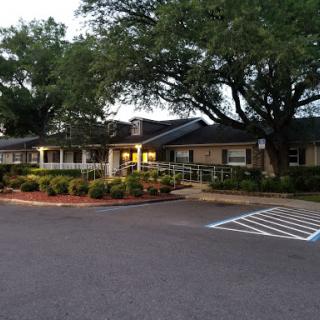



 Choosing the Right Senior Care: A Detailed Exploration of Assisted Living and Nursing Homes
 Understanding the True Cost of Assisted Living in 2025: A Comprehensive Guide
 Understanding Medicaid Coverage for Assisted Living: A Comprehensive Guide