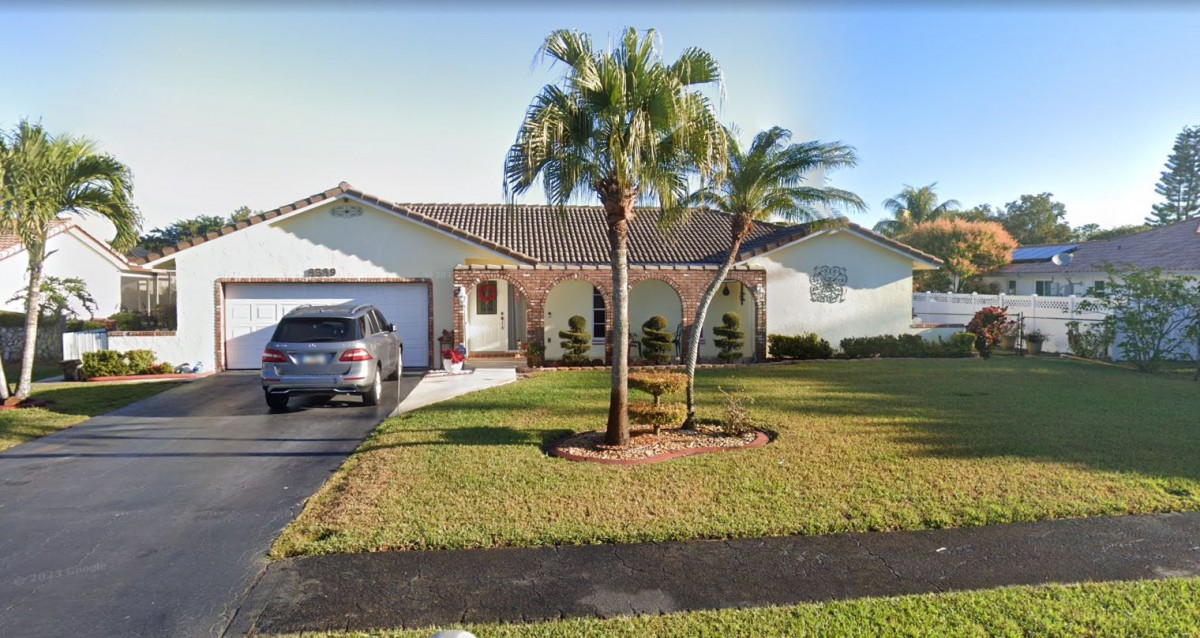
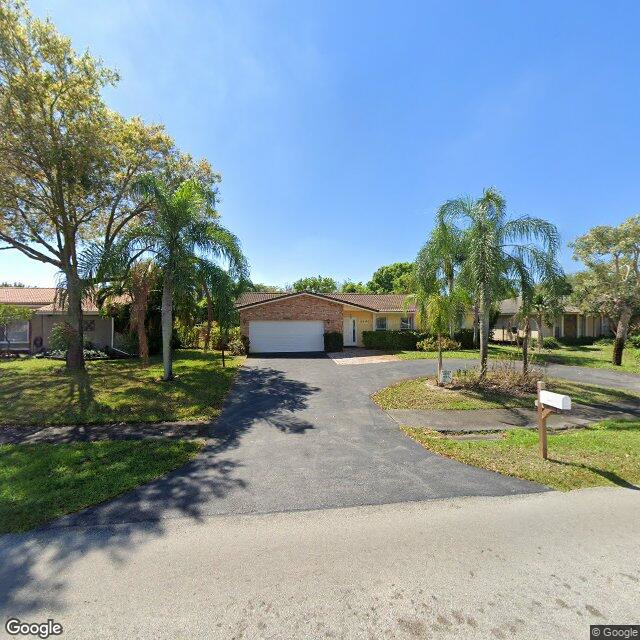
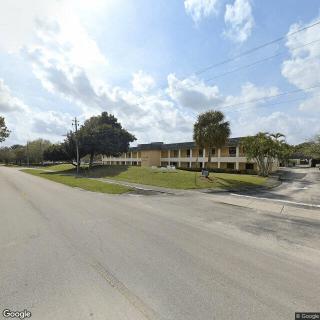
8630 Ramblewood Drive, Pompano Beach, FL 33071
For more information about senior living options: (866) 208-4318
Bright Horizons Of Ramblewood Costs & Pricing
Bright Horizons Of Ramblewood offers competitive pricing for its residents, particularly when compared to the broader market in Broward County and across Florida. For a semi-private room, the monthly cost at Bright Horizons stands at $2,600, which is notably more affordable than the county average of $2,902 and the state average of $3,009. Similarly, those opting for a private room can take advantage of Bright Horizons' rate of $3,200, significantly lower than both the Broward average of $3,725 and the Florida average of $3,699. This positioning not only highlights Bright Horizons as a cost-effective choice for families but also underscores its commitment to providing quality care without compromising affordability.
| Floor plans | Bright Horizons Of Ramblewood | Broward County | Florida |
|---|---|---|---|
| Semi-Private | $2,600 | $2,902 | $3,009 |
| Private | $3,200 | $3,725 | $3,699 |
Memory care communities with a similar price nearby
-
from +$400 / mo
LB Solution Care Group Homes
$3,000 / month15.8 miles away -
from -$200 / mo
Ana's Assisted Living Facility
$2,400 / month15.9 miles away -
from -$100 / mo
Anne Adult Family Care Home
$2,500 / month10.5 miles away -
from -$405 / mo
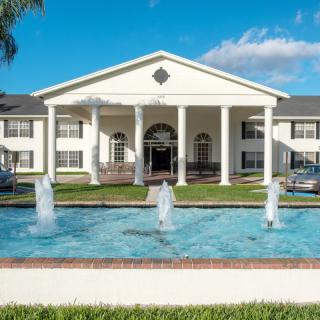
Grand Villa Of Delray East
$2,195 to $4,495 / month16.5 miles away -
from +$100 / mo
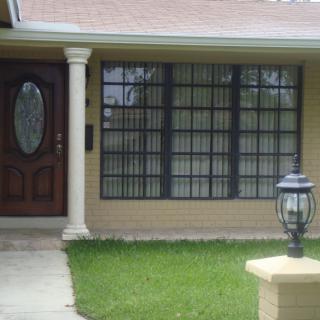
Flamingo Assisted Living
$2,700 to $4,500 / month8.6 miles away
Overall Review of Bright Horizons Of Ramblewood
Pros
 The professionals at Bright Horizons displayed love, patience, and care.
- The aides were amazing.
- The two sisters who own Bright Horizons share a passion for caring for others.
- The facility’s 2-5 patient ratio allowed very close attention to each resident’s needs.
- The modest family home setting outperformed larger facilities in care quality.
- The meals were exceptional, with thoughtful attention to detail.
- The environment was joyful, as seen when the dad danced with an aide.
- The staff made the dad’s final months comfortable and treated him like one of their own.
Review
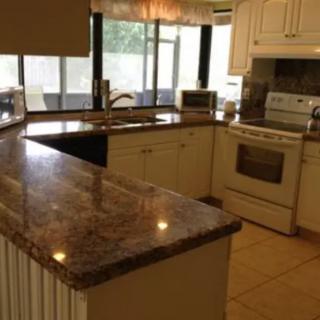
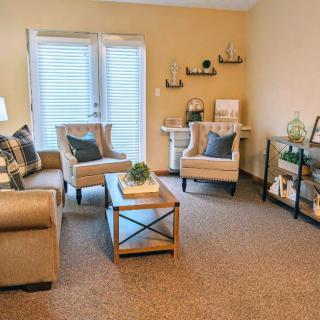
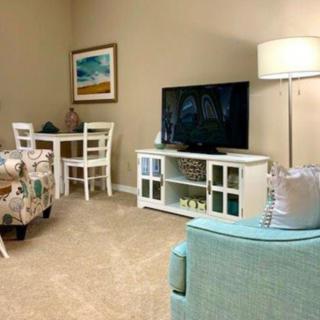
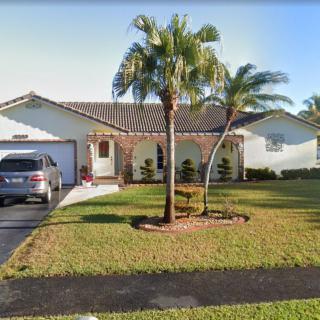
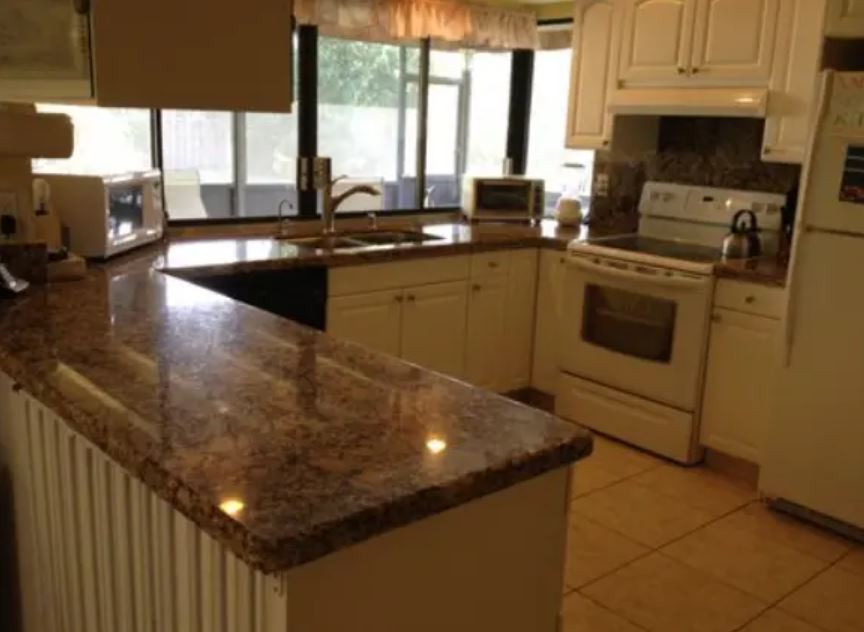
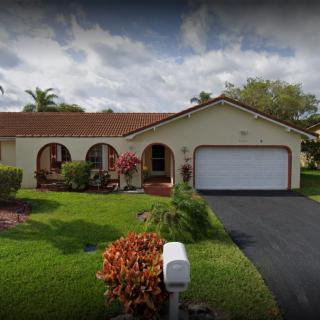
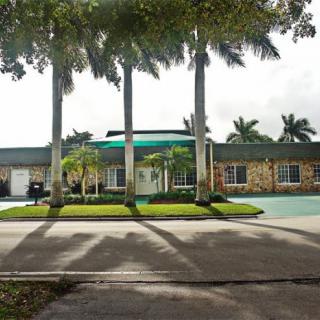
Bright Horizons Of Ramblewood in Pompano Beach is best suited for families seeking a small, home-like setting where an elderly loved one can receive hands-on, attentive care without the bustle of a large campus. The residence operates as a single-family home turned long-term care facility, with a 2-5 resident ratio that translates into remarkable daily attention and responsiveness. This environment appeals to those prioritizing warmth, continuity, and a sense of belonging over a clinical or corporate feel. The two sister-owners set the tone, and staff members are described as patient, engaged, and consistently involved in residents' daily lives. For post-rehab trajectories, it offers an especially comforting option.
Those with more complex medical needs or a preference for extensive on-site medical infrastructure may want to consider alternatives. The intimate setting inherently limits the pool of on-site specialists and the breadth of programming that a larger facility can sustain. While the hospital and Hospice nurses who supported the transition recommended Bright Horizons, questions remain for families facing escalating skilled nursing requirements, specialized memory care, or highly structured activity schedules. For residents who insist on a bustling campus, multiple care options, or guaranteed access to a broad range of therapies, a bigger community will usually provide a more predictable level of medical oversight and program depth.
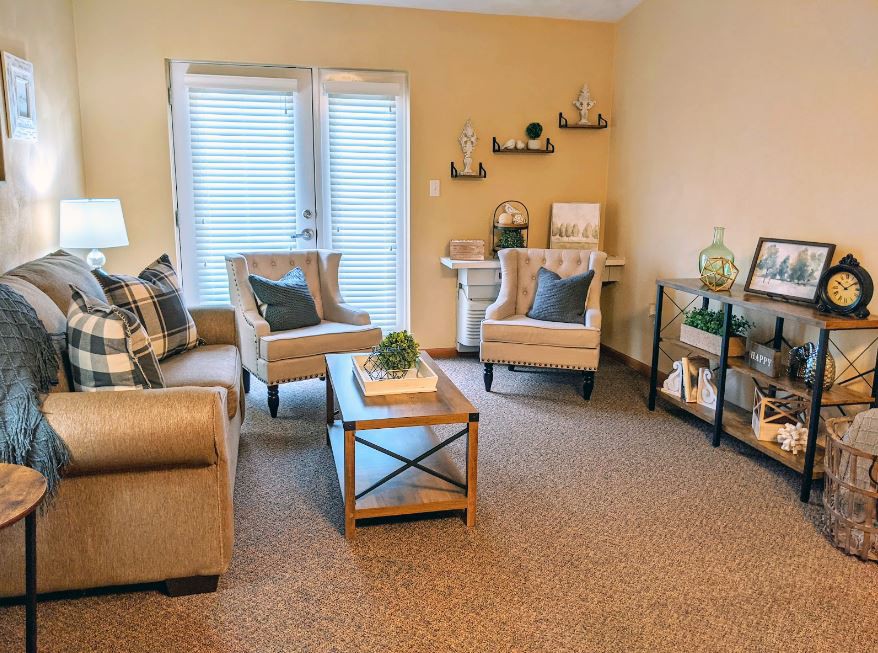
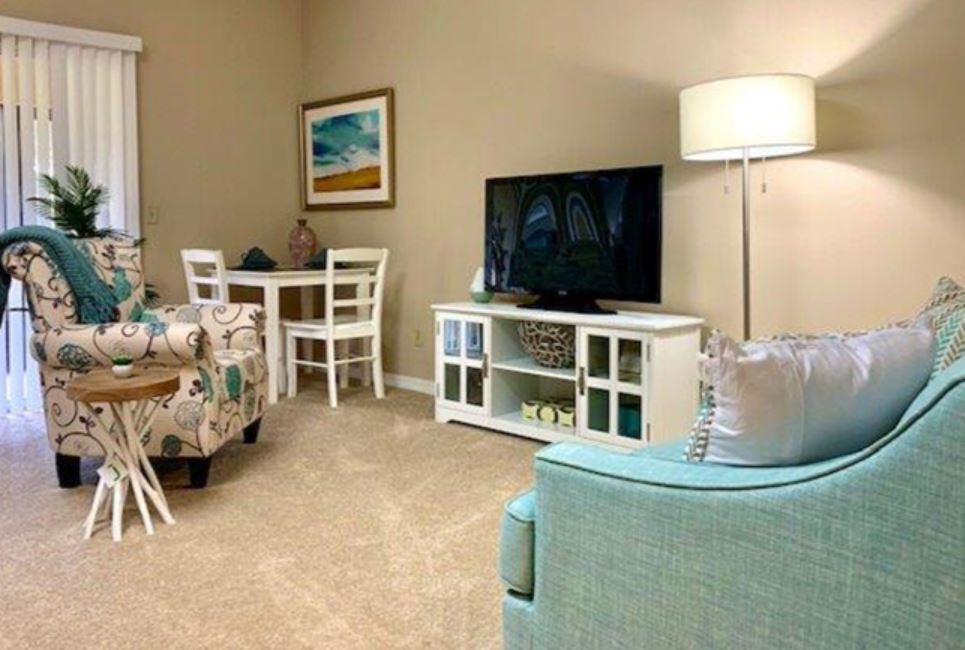
The strongest positives center on personalized care and everyday quality of life. With a tiny census, caregivers can address needs promptly and with a depth of attention that larger operations struggle to match. The staff's warmth comes through in visible ways, meals described as exceptional, consistent cleanliness, and a living-room moment where a resident danced with an aide. The owners’ hands-on leadership and the sense that the home truly operates as a family business translate into reliability and accountability. Residents are not merely cared for; they are treated as members of a close-knit household, which can significantly ease anxiety for families during transitions from hospital to long-term care.
Any small, home-based model carries potential downsides that must be weighed. A 2-5 resident dynamic can limit the breadth of social activities piped through the day and slow the ramp-up of specialized services like advanced wound care or IV therapy if needed. Staffing, while intimate, can become a bottleneck if illness or absences strike, and the scale limits convenience features typical of larger communities (on-site salons, broad activity rosters, or expansive therapy programs). Yet these potential drawbacks are largely offset by the care team's hands-on availability, rigorous cleanliness, and the high-touch culture that keeps residents comfortable and engaged, often at a level that larger facilities struggle to sustain.
The emotional and experiential benefits are tangible. The narrative of care centers on dignity, respect, and small, meaningful moments, a resident dancing with an aide, the family knowing care is personal and continuous, and meals that feel like home-cooked hospitality. For families trying to balance safety with autonomy, Bright Horizons offers a middle ground: enough supervision to prevent risk while preserving a sense of ordinary life. The observed cleanliness and constant attention to little details create a reassuring environment, especially for older adults emerging from rehab who still crave independence within a supportive framework.
In making a decision, focus on compatibility. Bright Horizons Of Ramblewood excels for residents who thrive on personal connection, direct caregiver continuity, and a homey atmosphere, with a willingness to accept a smaller program during challenging days. Alternatives make sense for those who require robust medical infrastructure, larger social ecosystems, or more formalized clinical oversight. Pros and cons align here: the extraordinary attentiveness and warmth of a family-operated setting offset the limitations inherent in its size, but only when expectations align with the resident’s care needs. Prospective families should visit, meet the care team, review daily routines, meals, and any potential escalation plans to determine if this unique, intimate home is the right fit.
 6 resident community capacity
 Assisted Living
 Board and Care Home
 Memory Care
 Respite Care
 Activities on-site
 Beautician on-site
 Cable or satellite TV
 Dining room
 Fully furnished
 Garden
 Housekeeping services
 Indoor common areas
 Move-in coordination
 Outdoor common areas
 Private
 Telephone
 Wheelchair accessible showers
 Wi-Fi/high-speed internet available
 Fort Lauderdale-Hollywood International (13 miles away)
 24-hour supervision
 Ambulatory care
 Assistance with bathing
 Assistance with dressing
 Assistance with transfers
 Diabetes diet
 Diabetic care
 Incontinence care
 Meal preparation and service
 Medication management
 Special dietary restrictions
 Transportation arrangement (medical)
 Transportation to doctors appointments

 Engaging Memory Care Activities That Enhance Quality of Life
 When to Transition from Assisted Living to Memory Care: Key Indicators, Steps, and Finding the Right Community
 Understanding the Distinctions: Assisted Living and Memory Care Explained