
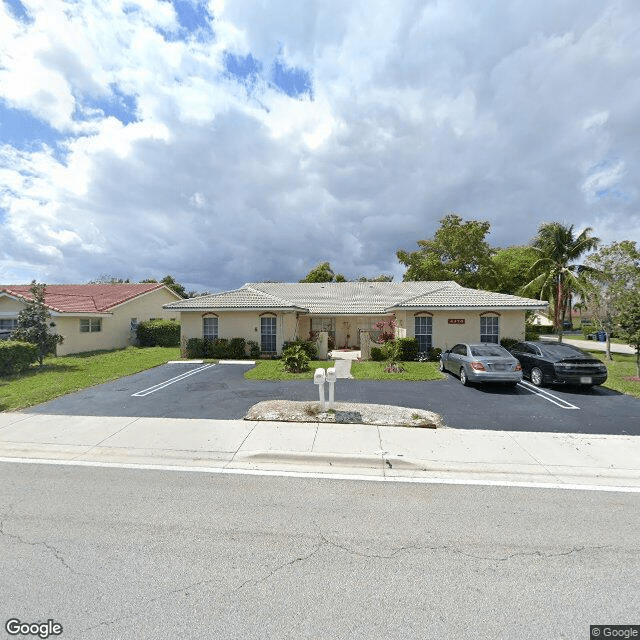
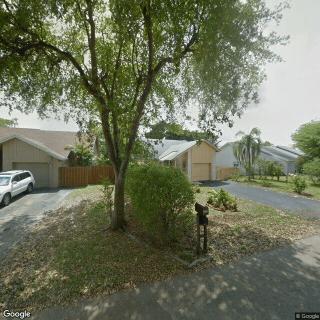
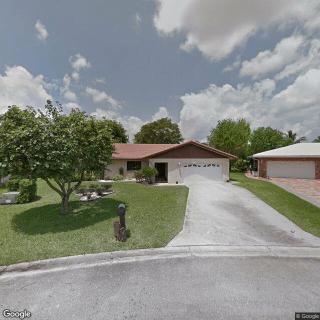
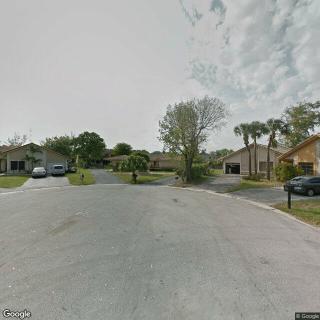
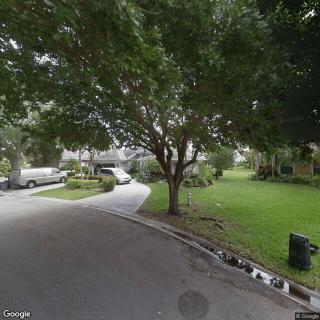
4470 Coral Springs Drive, Coral Springs, FL 33065
To contact a resident: (954) 345-7768
For more information about senior living options: (866) 208-4318
A & L Health Care III Costs & Pricing
A & L Health Care III offers competitive pricing for its services compared to the broader market in Broward County and the state of Florida. For semi-private accommodations, A & L Health Care III charges $2,500 per month, which is notably lower than the county average of $2,902 and significantly below the state average of $3,009. This trend continues with private rooms, where their rate of $3,500 is also more affordable than both the county's figure of $3,725 and Florida's average of $3,699. Overall, A & L Health Care III provides a cost-effective option for those seeking quality care without sacrificing comfort in a region where healthcare costs can be quite high.
| Floor plans | A & L Health Care III | Broward County | Florida |
|---|---|---|---|
| Semi-Private | $2,500 | $2,902 | $3,009 |
| Private | $3,500 | $3,725 | $3,699 |
Senior living communities with a similar price nearby
-
from -$100 / mo
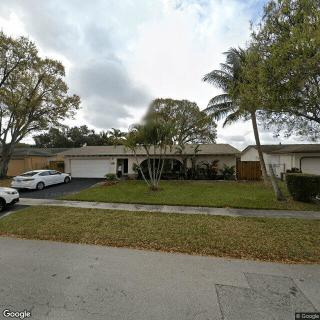
Ana's Assisted Living Facility
$2,400 / month18.7 miles away -
from -$100 / mo
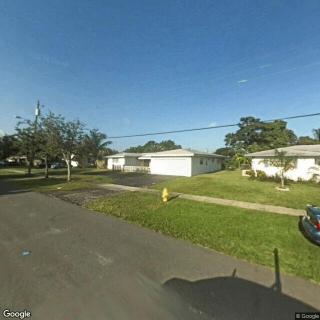
Joy Peace & Love ALF, LLC
$2,400 to $3,300 / month12.1 miles away -
About the same
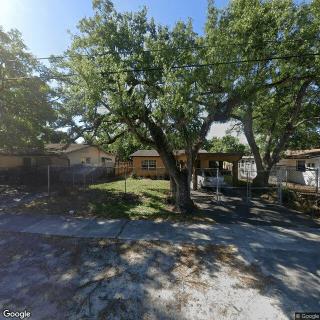
Anne Adult Family Care Home
$2,500 / month13.8 miles away -
from +$200 / mo
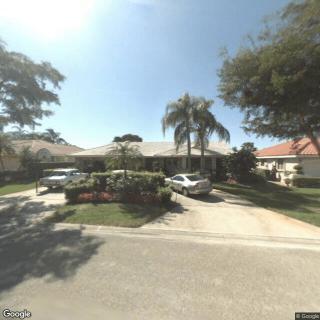
Portland Assisted Living Facility
$2,700 to $4,400 / month3.4 miles away -
from +$400 / mo
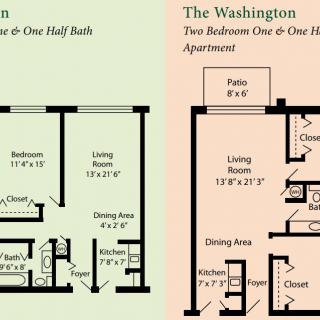
Independence Hall
$2,900 to $4,572 / month12.3 miles away
Overall Review of A & L Health Care III
Cons
 It faces a main road, compromising privacy.
- There were numerous knocks at the door, suggesting intrusion.
- A resident came out only after repeated knocks.
- The reviewer could walk through the family room and into the kitchen before staff noticed, indicating weak security.
Review
This community is best avoided for seniors who require reliable supervision, strong security, and predictable staffing. The sole review paints a stark picture: a facility that faces a busy main road and allows access to the interior after repeated door knocking, with a resident eventually appearing and staff seemingly unaware of the intrusion. The implication is a basic failure to control access and monitor who enters and moves through shared spaces. For families that demand consistent staff presence, clear visitation procedures, and immediate response to resident needs, this option does not meet those nonnegotiable standards. In practical terms, only a family prepared to police the environment themselves and tolerate ongoing oversight gaps should seriously consider it.
Those who may want to explore alternatives are families prioritizing safety, privacy, and resident protection. Any comparison should begin with facilities that demonstrate controlled entry points, visible staff engagement in common areas, and reliable incident reporting. If the goal is to reduce risk, whether from wandering, unauthorized access, or delayed help during a true emergency, this community should not be the first stop. Alternatives that publish staffing levels, provide clearly delineated shift coverage, and offer structured tours with proactive resident introductions will better serve residents who depend on timely assistance and a secure atmosphere.
In terms of pros vs. cons, the review yields essentially no discernible advantages to offset the dominant concerns. The only concrete takeaway is the troubling lapse in security and oversight. Without evidence of organized staffing, resident monitoring, or enforced visitor controls, any potential conveniences, such as proximity to local amenities or the presence of a family room and kitchen, are canceled out by the fundamental risk of intrusion, privacy violations, and inconsistent response to resident needs. When a facility allows doors and spaces to be entered without staff awareness, the most basic expectations of a supervised living environment collapse, and there is little room to argue that minor benefits compensate for that core weakness.
The safety implications demand serious consideration. An environment where a visitor can knock and penetrate common areas until a resident emerges signals not only a privacy concern but a broader risk to resident well-being. The exposure created by facing a main road compounds that risk with noise, traffic, and potential danger for residents who wander or require quick assistance. The absence of timely staff recognition or intervention translates into delayed care, missed cues for medication administration, and a culture where resident security is secondary to convenience. In short, the main con, inadequate supervision and unsecured access, far outweighs any uncertain positives.
For readers evaluating options, a rigorous, watchdog-style vetting is essential. Insist on a formal tour accompanied by staff who can articulate duty hours, on-site supervision levels, and how entry is controlled and logged. Request a recent licensing inspection report and any deficiency letters, then verify how corrective actions were implemented. Observe how staff interact with residents in common areas, how quickly they respond to call bells, and whether family members are allowed to participate in safety checks without friction. Verify privacy protections, such as secure medication handling, locked storage, and clear policies on resident rights and confidentiality. These steps convert a vague concern into measurable metrics.
Ultimately, the practical conclusion is clear: pursue alternatives with transparent security, consistent staffing, and demonstrable commitment to resident safety. If continuity of supervision and a controlled environment are non-negotiable, this community should be ruled out early in the decision process. Families are best served by facilities that publish staffing ratios, maintain secured entry, train staff for incident prevention, and welcome third-party oversight. The prudent path is to advance to options with proven safety records and robust on-site governance, reserving this place only for a scenario where relentless external oversight and near-constant monitoring can be guaranteed.
 Board and Care Home
 Activities off-site
 Devotional services off-site
 Indoor common areas
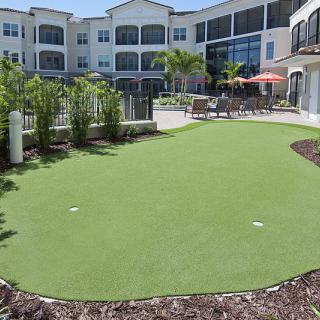
 Outdoor common areas
 Private
 Respite or short term stays offered
 Wheelchair accessible showers
 Fort Lauderdale-Hollywood International (16 miles away)
 Ambulatory care
 Diabetic care
 Incontinence care
 Kosher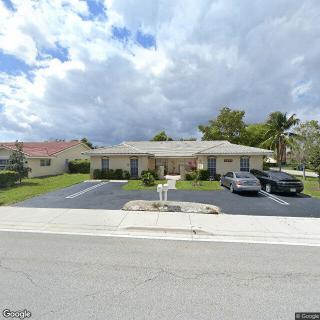
 Faith-based, personalized care near amenities.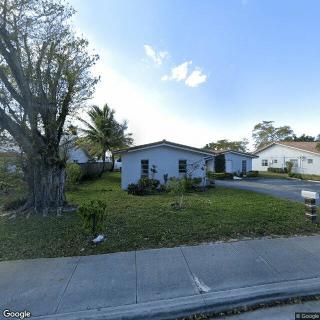

 Top Canine Companions for Older Adults
 Comprehensive Guide to Blood Pressure Charts for Older Adults: Understanding Normal and High Readings by Age
 Financing Long-Term Nursing Home Care Through Social Security: A Thorough Exploration