
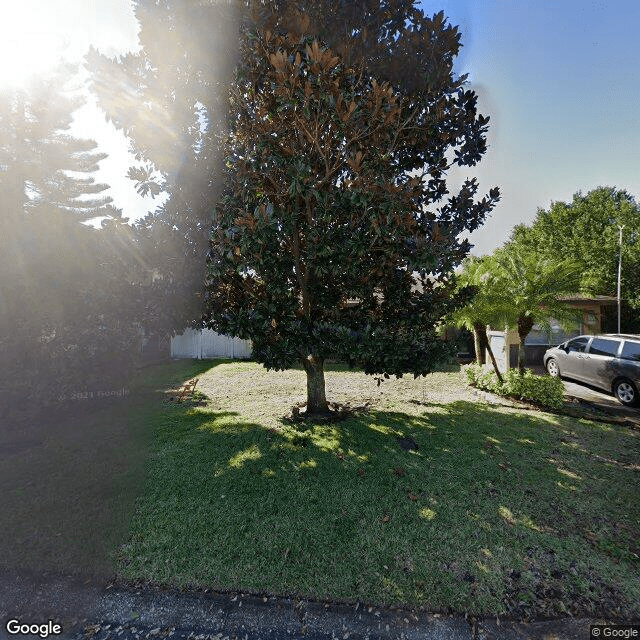
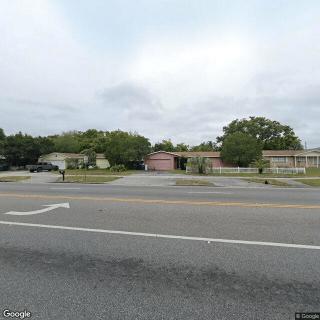
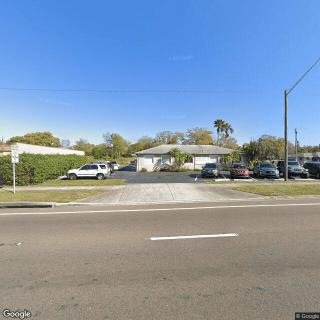
2075 Rainbow Drive, Clearwater, FL 33765
For more information about senior living options: (866) 208-4318
Rainbow Manor Alf Costs & Pricing
Rainbow Manor Alf offers competitive pricing for assisted living options, with semi-private rooms available at $2,000 per month and private rooms at $3,000. When compared to the broader market in Pinellas County, where semi-private rooms average around $2,765 and private rooms about $3,602, Rainbow Manor Alf presents a more budget-friendly alternative. Additionally, the overall state averages in Florida further highlight this affordability, with semi-private accommodations costing approximately $3,009 and private rooms at $3,699. This makes Rainbow Manor Alf an attractive choice for those seeking quality care without straining their financial resources.
| Floor plans | Rainbow Manor Alf | Pinellas County | Florida |
|---|---|---|---|
| Semi-Private | $2,000 | $2,765 | $3,009 |
| Private | $3,000 | $3,602 | $3,699 |
Assisted Living communities with a similar price nearby
-
About the same
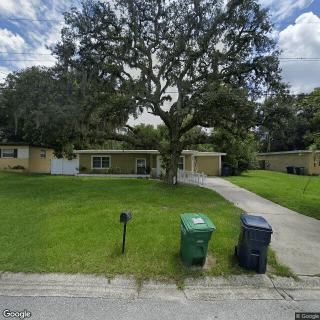
Assisted Living Facility Morning Dew
$2,000 to $2,500 / month20.4 miles away -
from -$105 / mo
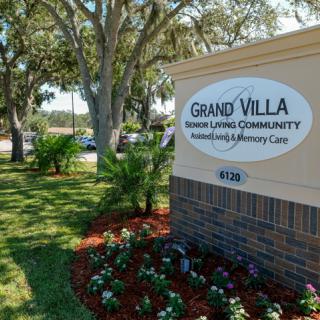
Grand Villa of New Port Richey
$1,895 to $3,595 / month19.9 miles away -
About the same
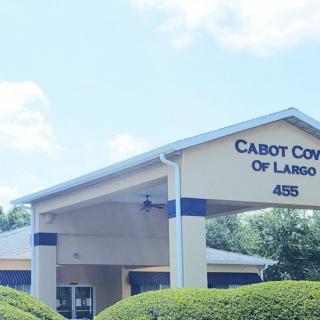
Cabot Cove of Largo Assisted Living & Memory Care
$1,990 to $3,145 / month3.4 miles away -
from -$200 / mo
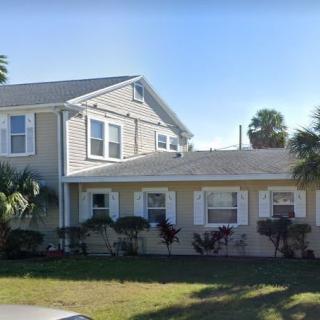
Windsor House
$1,800 to $2,500 / month3.1 miles away -
from -$200 / mo
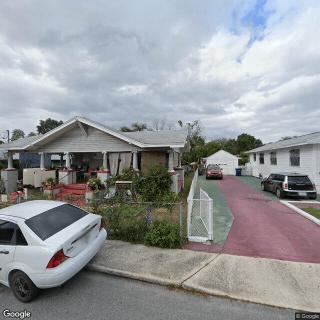
Debra's Assisted Living Facility
$1,800 to $2,300 / month18.7 miles away
Overall Review of Rainbow Manor Alf
Pros
 The staff are wonderful; the facility is clean and they are eager to help.
- Rainbow Manor is a very lovely place.
- The owner at Rainbow Manor is extremely nice.
- It is conveniently located, just five minutes from home.
- Things are going really well, and the reviewer is pleased with the facility.
Review
Rainbow Manor Alf in Clearwater is best suited for families seeking a small, home-like assisted living option where personal connections matter as much as routine care. The setting is intimate, with a clean, uncluttered environment, and staff who demonstrate a ready willingness to help. The standout feature is not flashy amenities but a hands-on, owner-involved approach that translates into responsiveness and a sense of safety. For residents who value ease of access to family and a calm, neighborly atmosphere over resort-style perk-ups, Rainbow Manor offers a compelling fit. The facility appears well-suited to seniors who appreciate attentiveness that comes from a smaller operation and a staff that remembers residents’ names, preferences, and needs.
Those who may want alternatives should consider larger communities with broader programming, more extensive activity calendars, and a wider range of on-site services. If memory care specialization, advanced nursing supervision, or highly structured social events are priorities, Rainbow Manor’s small scale could feel limiting. If a polished, modern campus with abundant amenities and a more formal incident-response framework is desired, a bigger campus might better meet expectations. In short, Rainbow Manor serves a specific niche well, but the fit weakens when the goal is a lively, every-day resort-style environment or robust clinical integration.
Where Rainbow Manor shines, the positives are concrete. The property earns praise for cleanliness, a simple, unpretentious aesthetic, and a culture of eagerness to help. The owner’s warmth comes through as a tangible asset, providing steady reassurance to families and a sense of continuity for residents. Proximity is another strong pro: being within five minutes of the family’s home translates into frequent visits, quick communication, and hands-on oversight that many families find transformative. Yet the absence of heavy bells and whistles isn’t a flaw so much as a trade-off; it means fewer distractions, fewer big-event programs, and a tighter container for care. The question becomes whether the trade-off aligns with the resident’s social needs and medical requirements.
To separate fit from fantasy, a practical applicant uses a concrete checklist. A tour is scheduled to observe staff interactions, are cues followed, is assistance offered promptly, and is there genuine warmth in everyday exchanges? A candid walk-through of meals, daily schedules, and transportation reveals how activities are coordinated for those with limited mobility. Ask about care coordination with doctors, medication management, and escalation procedures. Discuss costs, what is included, and any potential add-on fees. Finally, verify current resident and family references, and gauge whether the owner’s hands-on approach is consistently available across shifts.
From the limited but meaningful feedback, Rainbow Manor shows a model that prioritizes intimacy, reliability, and home-like comfort over scale. A mom’s move-in period, reported as about two months and already described in favorable terms, often correlates with faster adjustment when a facility is small and predictable. The five-minute proximity to family is not merely convenient; it is a strategic advantage for care coordination, medication checks, and emergency preparation. The caveat is that the same small-size reality can constrain programming and specialized services. If care needs are modest and social engagement can be met through intimate group activities, this setting can deliver exceptional value.
Bottom line: Rainbow Manor Alf is best pitched to families prioritizing personal touch, reliability, and convenience over prestige or exhaustive amenities. It is a strong candidate when the goal is a warm, closely watched environment with an involved owner and a future-forward path for discreet, hands-on care. Families considering alternatives should compare larger communities that promise richer activity calendars and broader clinical resources. A disciplined site visit with a clear checklist will reveal whether the match is right. For those who fit the niche, Rainbow Manor offers a practical, candid, and highly approachable option in Clearwater.
 12 resident community capacity
 Assisted Living
 Board and Care Home
 Activities off-site
 Cable or satellite TV
 Devotional services off-site
 Dining room
 Fully furnished
 Garden
 Housekeeping services
 Indoor common areas
 Move-in coordination
 Outdoor space
 Private
 Private bathrooms
 Telephone
 Wheelchair accessible showers
 Wi-Fi/high-speed internet available
 St. Petersburg-Clearwater International (5 miles away)
 24-hour supervision
 Ambulatory care
 Assistance with bathing
 Assistance with dressing
 Assistance with transfers
 Diabetes diet
 Diabetic care
 Incontinence care
 Meal preparation and service
 Medication management
 Special dietary restrictions
 Transportation arrangement (medical)
 Transportation to doctors appointments



 Senior Transition Services: Understanding Their Role, Cost, and Importance
 Exploring the Path to Senior Living: A Comprehensive Look at Independent Living and Assisted Living
 Is Assisted Living Deductible on Your Taxes? Understanding the Complexities of Assisted Living Expenses and Deductions