
2542 Countryside Pines Drive, Clearwater, FL 33761
For more information about senior living options: (866) 208-4318
Overall Review of Immaculate House At Countryside
Pros
 The reviewer remains hopeful for reliable and timely pay.
 - The reviewer appreciates honest and open payroll communications.
- The reviewer values consistency in pay dates.
- The reviewer looks forward to a payroll process that follows through on promises.
- The reviewer admires transparent compensation practices.
Cons
 The owner is a liar who won’t pay employees.
- Pay rates and pay dates change like the wind.
- The owner’s favorite line is “your check is in the mail.”
- Every day feels like Sunday because the check has never arrived.
Review
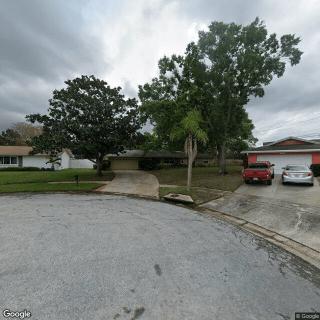
Immaculate House At Countryside in Clearwater is best suited for families seeking a small, home-like environment with a strong emphasis on cleanliness and a personal, intimate caregiving vibe. The facility’s branding suggests a pristine, cozy setting that feels more like a private residence than a large campus, which can be appealing to residents who want privacy, minimal institutional feel, and a straightforward, human-scale living arrangement. That said, the decisive factor in choosing this option is not ambiance alone but the reliability of operations behind the scene; financial instability and inconsistent staffing undermine any upside, particularly for families who require predictable care routines and steady billing.
Who should consider alternatives? Families that demand consistent pay practices, transparent finances, and stable caregiver coverage should look elsewhere. The feedback paints a troubling pattern: pay-rate changes, shifting pay dates, and assurances that never come to fruition. Those signals translate directly into risk for residents who depend on reliable staffing and for families footing ongoing bills. Safer options exist with established payroll processes and professional management, where the risk of disruptions to care and billing is materially lower. If financial predictability and staffing reliability are non-negotiable, this community should be screened out early.
On the upside, the setting promises a clean, home-like atmosphere where care can feel personal rather than impersonal or corporate. A smaller footprint can enable more individualized attention when staff are present, and the overall vibe may provide welcome warmth for residents who dislike larger, more clinical facilities. However, those potential benefits hinge on consistent, well-supported staff, precisely what the reviews shadow with payroll irregularities. When pay practices drive uncertainty, even the most welcoming environment loses its edge, because routines, meals, and daily assistance rely on steady, dependable caregivers.
Root problems go beyond individual disputes over wages; they create a risk framework that jeopardizes safety and continuity of care. If the owner’s financial practices dominate the narrative, staff turnover spikes and shifts go uncovered. The refrain about “the check is in the mail” is more than a nuisance, it signals an unstable operating rhythm that undermines accountability and communication. For residents with mobility, medical needs, or cognitive considerations, such instability translates into missed treatments, inconsistent monitoring, and diminished trust in the care team.
Practical due diligence matters when evaluating this community. Prospective families should insist on written payroll schedules, explicit compensation terms, and documentation of any promised payments. Seek direct references from current staff and residents, and require a demonstrated track record of stable operations, ideally a window of 60–90 days to observe staffing continuity and care consistency. Verify licensing and confirm that an established management structure exists beyond a sole owner, reducing single-point failure risk. Have a contingency plan for potential staffing gaps and ensure there are clear, verifiable remedies if pay issues reemerge. If payroll reliability cannot be demonstrated, the prudent move is to proceed elsewhere.
Bottom line: Immaculate House At Countryside is not a prudent choice for families unwilling to tolerate payroll uncertainty and its ripple effects on care. The positives, cleanliness, a home-like vibe, and an intimate setting, do not offset the financial instability and staffing unpredictability that underpin the resident experience here. Strong alternatives in Clearwater and nearby communities offer transparent finances, stable staffing, and predictable routines, delivering the peace of mind essential to long-term care decisions. For families prioritizing reliability, it is wiser to redirect the search toward facilities with verifiable payroll practices and durable staff retention. In deciding, trust the core requirement: dependable, timely care built on stable operations.
 6 resident community capacity
 Assisted Living
 Cable or satellite TV
 Dining room
 Fully furnished
 Garden
 Housekeeping services
 Move-in coordination
 Outdoor space
 Telephone
 Wi-Fi/high-speed internet available
 St. Petersburg-Clearwater International (8 miles away)
 24-hour supervision
 Activities of daily living assistance
 Assistance with bathing
 Assistance with dressing
 Assistance with transfers
 Diabetes diet
 Meal preparation and service
 Medication management
 Special dietary restrictions
 Transportation arrangement (medical)
 Transportation to doctors appointments



 Exploring the Path to Senior Living: A Comprehensive Look at Independent Living and Assisted Living
 Is Assisted Living Deductible on Your Taxes? Understanding the Complexities of Assisted Living Expenses and Deductions
 Assisted Living Support for Veterans: A Complete and Detailed Overview