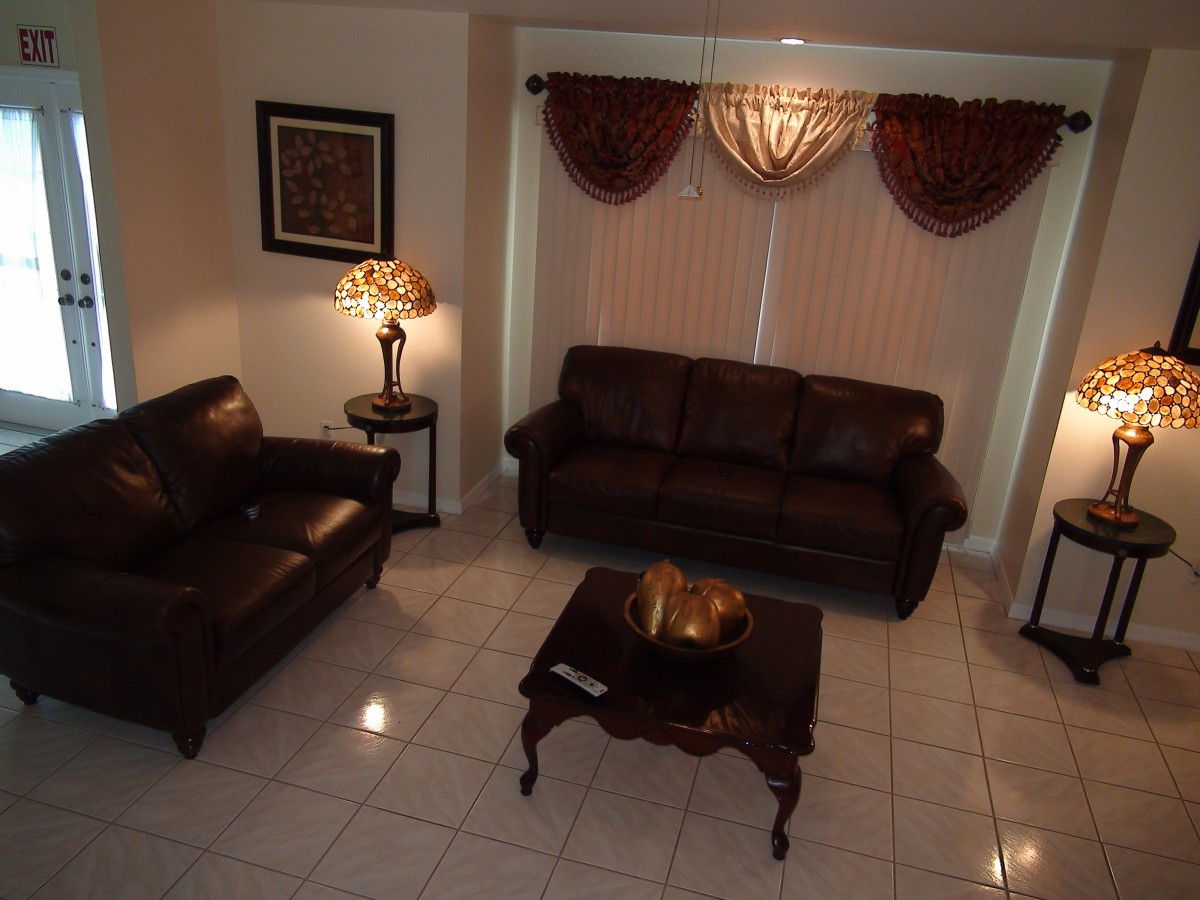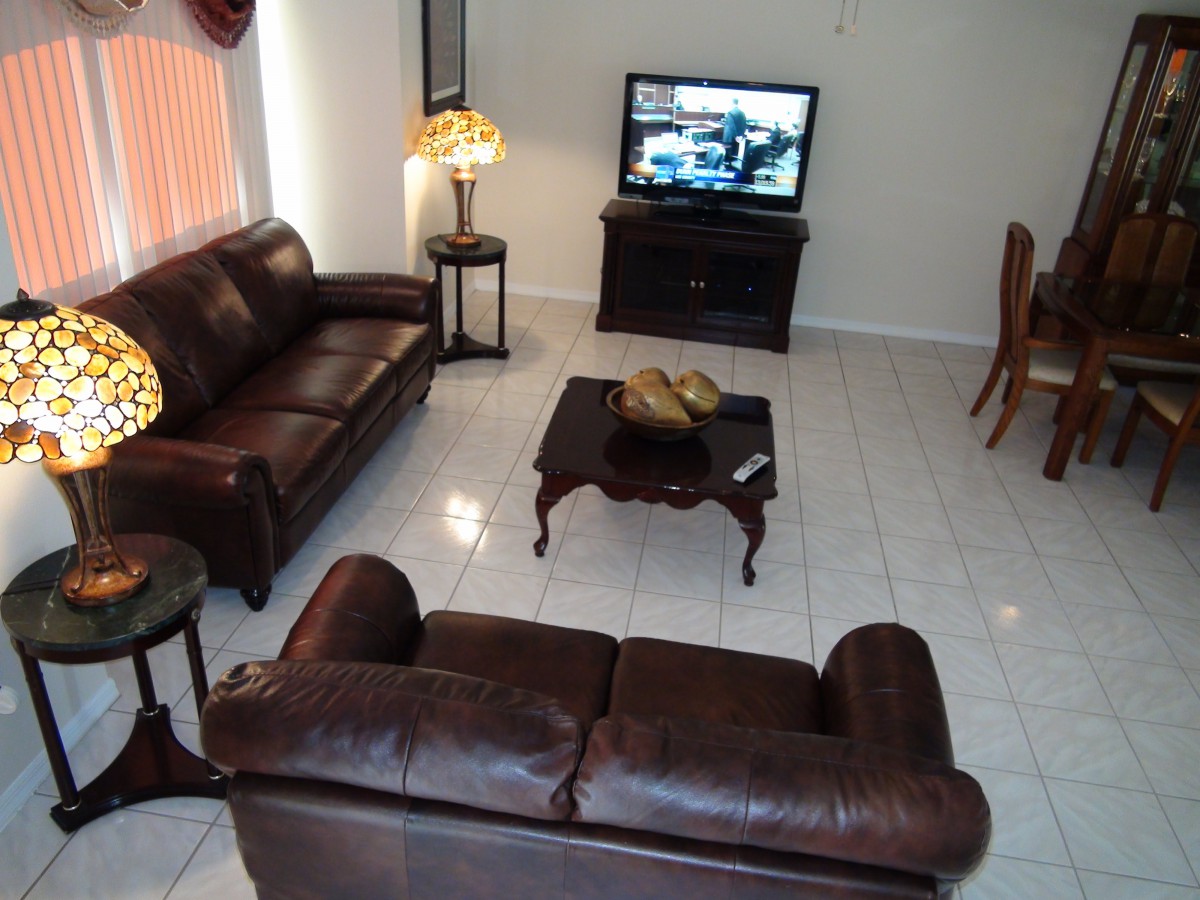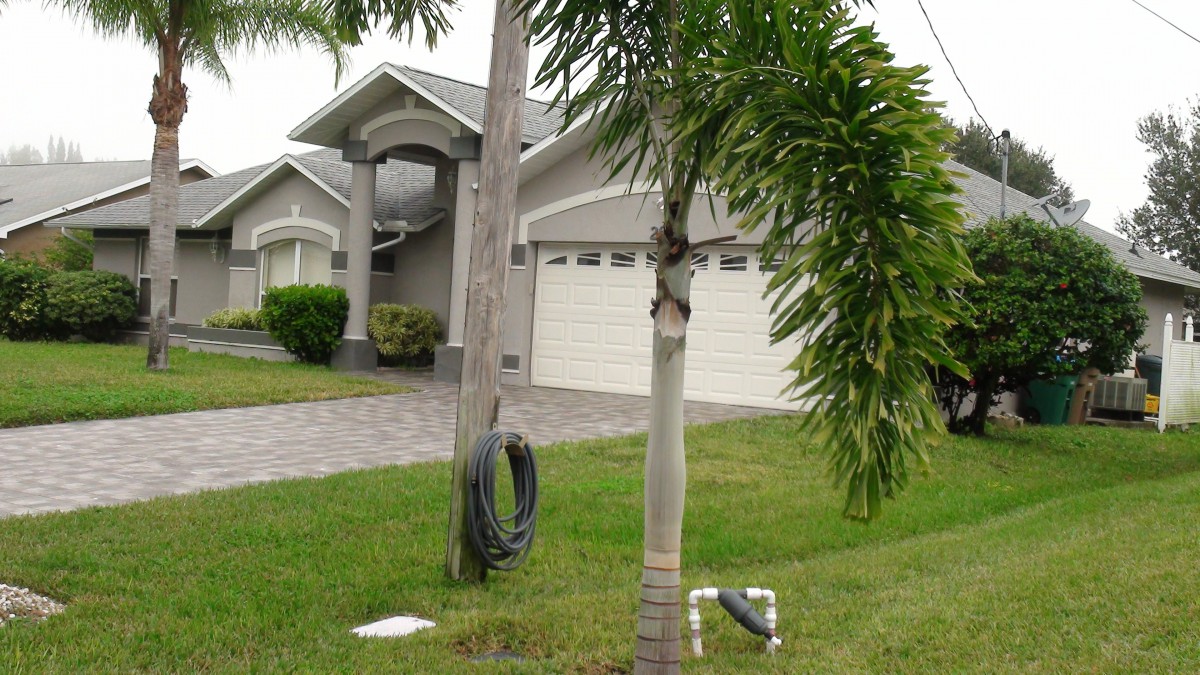
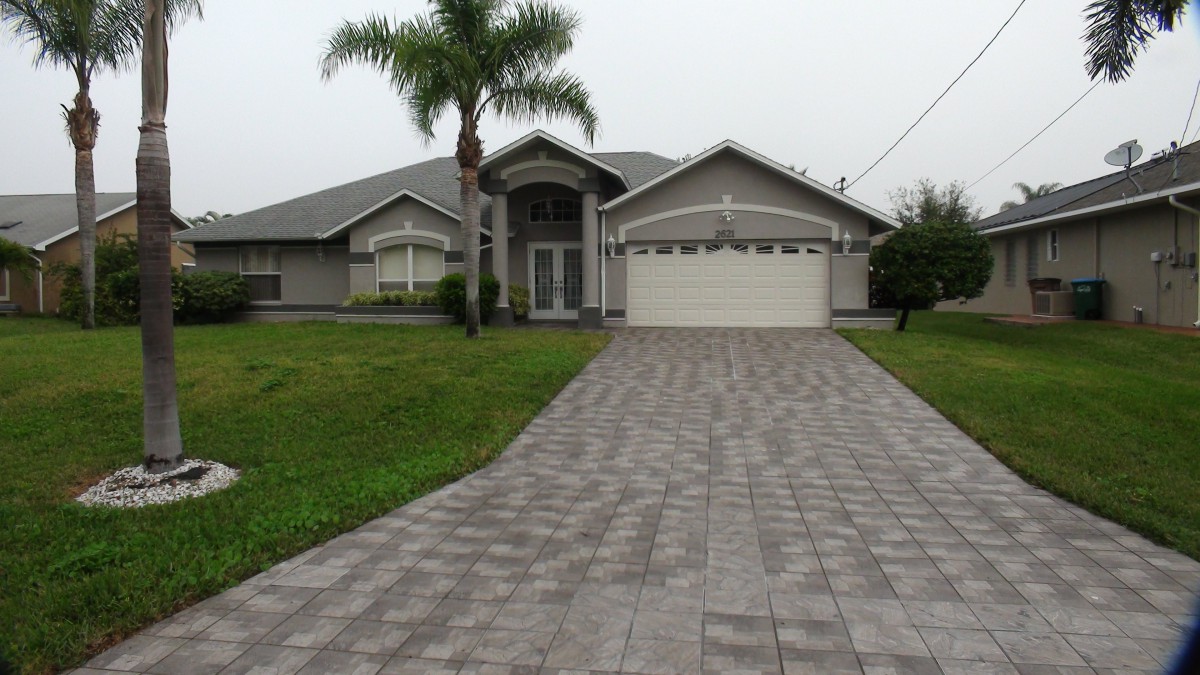
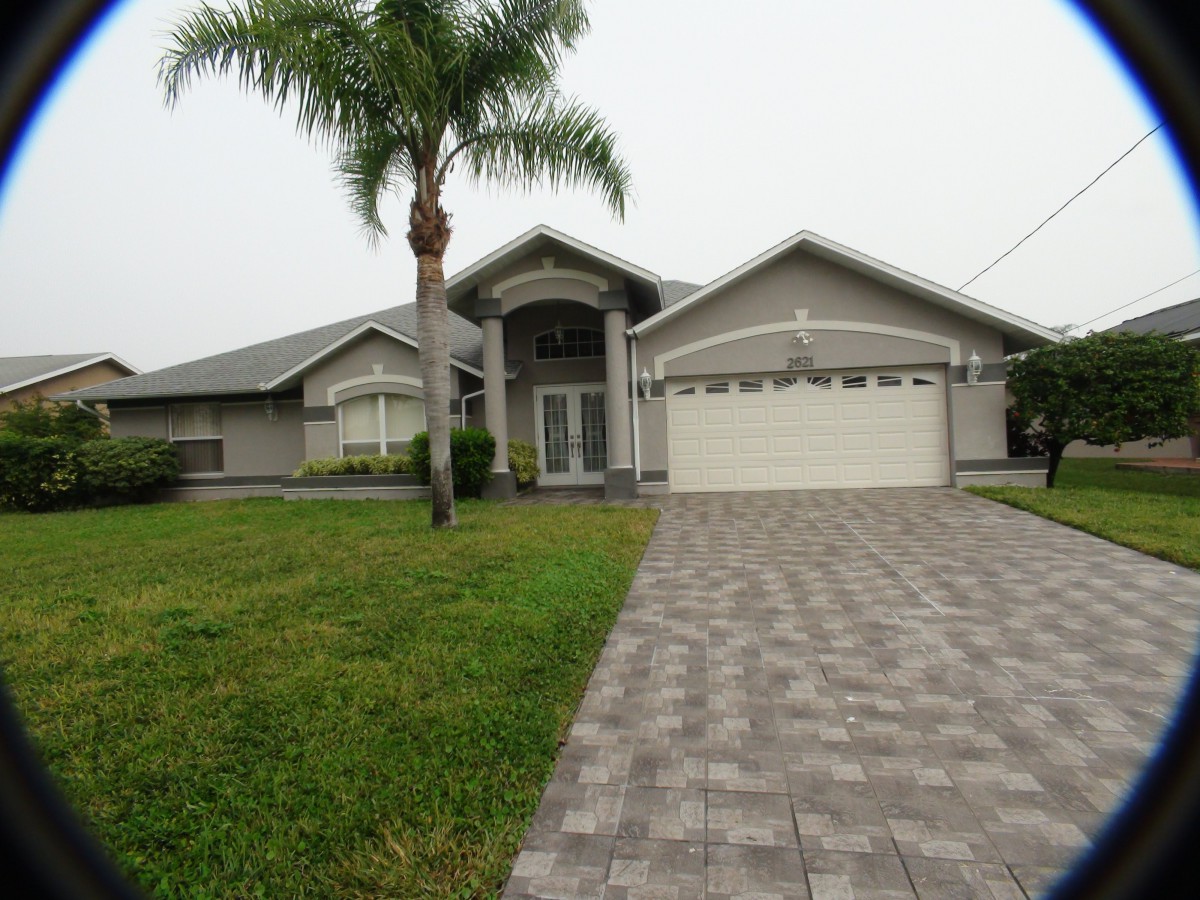

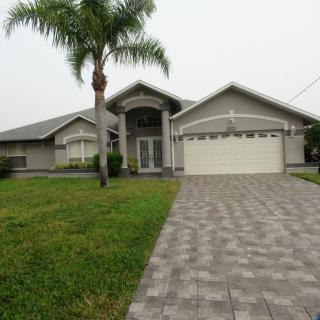

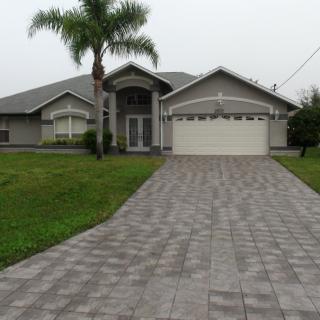
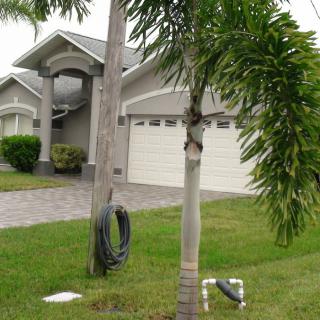
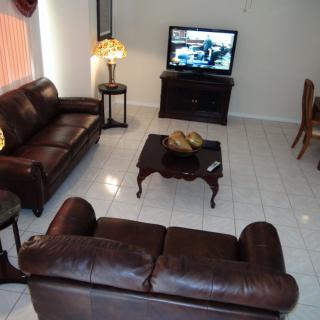
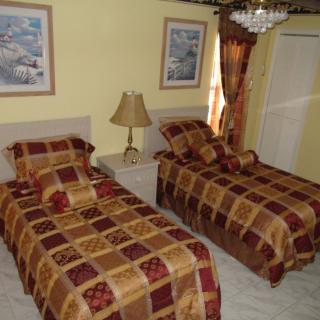


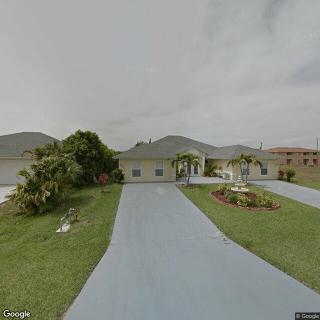
2621 SW 37th Terrace, Cape Coral, FL 33914
To contact a resident: (239) 204-6373
For more information about senior living options: (866) 208-4318
Joseph Desmornes Adult Family Care Home Costs & Pricing
At Joseph Desmornes Adult Family Care Home, the monthly costs for care reflect a commitment to providing quality services tailored to residents' needs. For a semi-private room, the fee is set at $3,500, which is slightly lower than the average cost in Lee County at $3,538 but higher than the state average of $3,009. In contrast, the private room option is priced at $4,000 per month; this also falls below the county's average of $4,293 while surpassing Florida's overall average of $3,699. These figures indicate that while Joseph Desmornes offers competitive pricing within Lee County and across Florida, families can expect a focus on individualized attention and a nurturing environment in exchange for their investment.
| Floor plans | Joseph Desmornes Adult Family Care Home | Lee County | Florida |
|---|---|---|---|
| Semi-Private | $3,500 | $3,538 | $3,009 |
| Private | $4,000 | $4,293 | $3,699 |
Senior living communities with a similar price nearby
-
from -$180 / mo

American House Bonita Springs Independent Living
$3,320 to $4,460 / month22.6 miles away -
from -$400 / mo
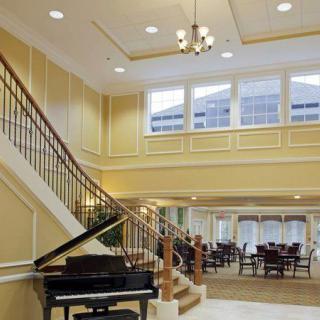
Canterfield of Fort Myers
$3,100 to $6,200 / month14.5 miles away -
from +$642 / mo
Brookdale Punta Gorda Isles
$4,142 to $6,009 / month23.6 miles away -
from +$195 / mo

Seaside at Fort Myers
$3,695 to $5,195 / month7.2 miles away -
from +$595 / mo

Atrium at Liberty Park
$4,095 to $5,995 / month7.1 miles away
Overall Review of Joseph Desmornes Adult Family Care Home
Pros
 Joseph's home was clean and well managed.
- The two residents at the time were happy and well cared for.
- They could sleep at night knowing she was in a loving environment.
- The staff became an extension of their family.
- They had great peace of mind knowing the last year of her life received the care she deserved.
- They couldn't thank the owners and staff enough for what they did.
- Finding Joseph's home was an answer to a prayer.
Cons
 The large facilities were so depressing.
Review
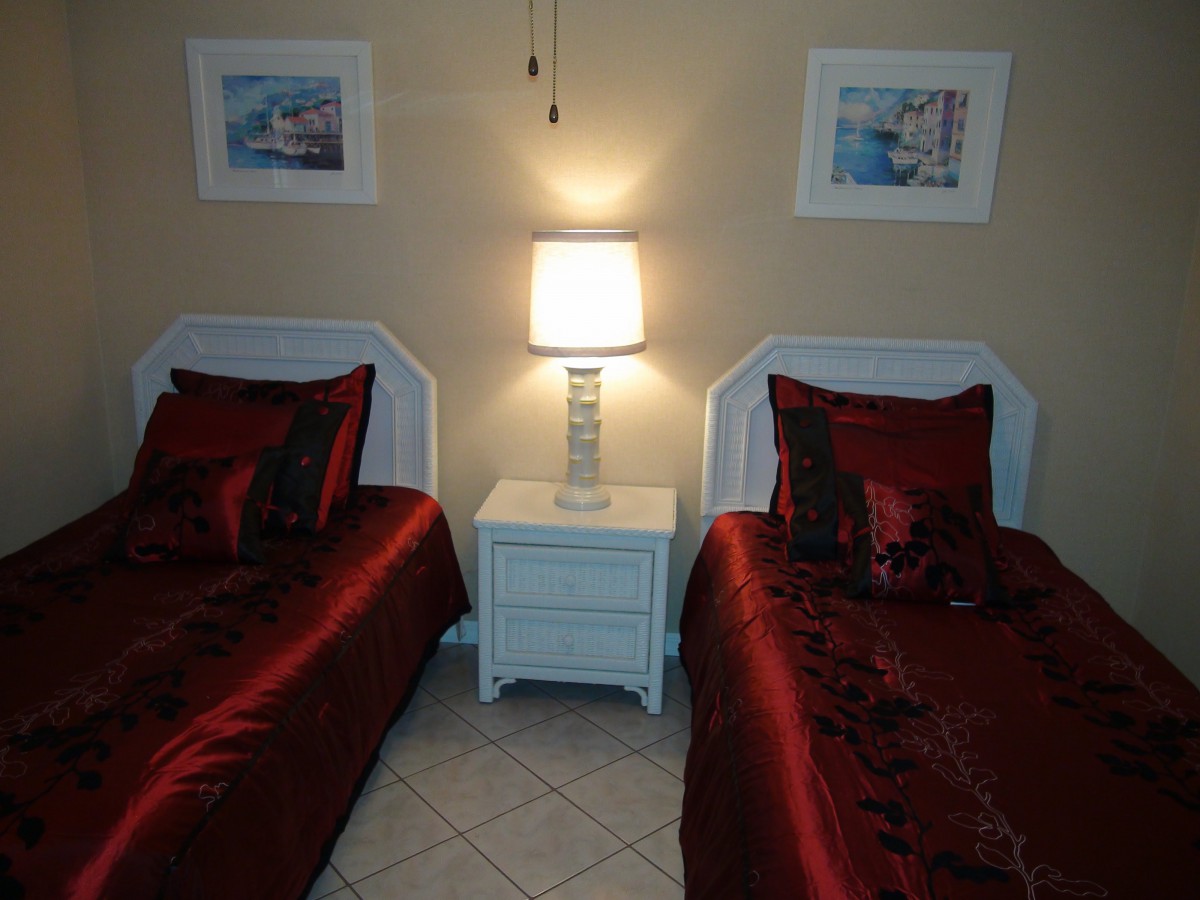
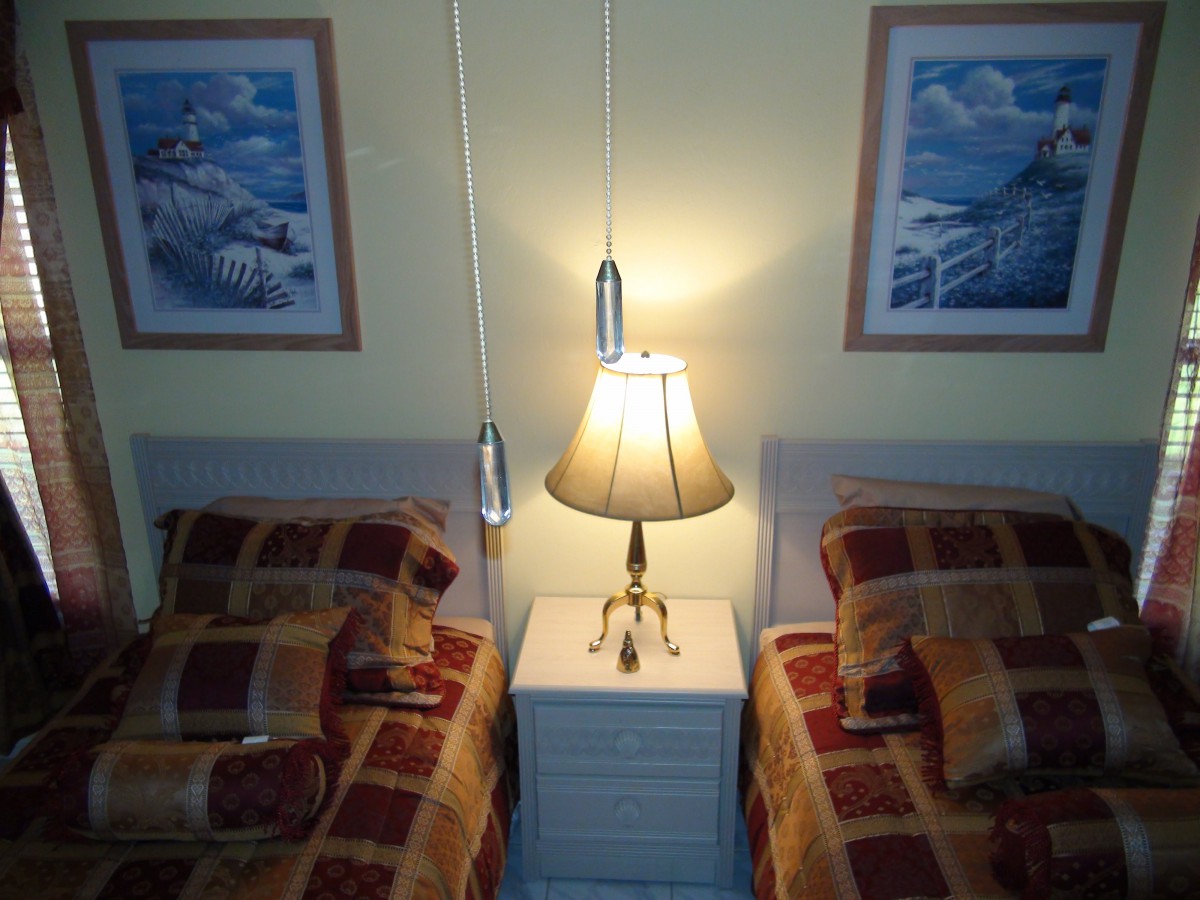
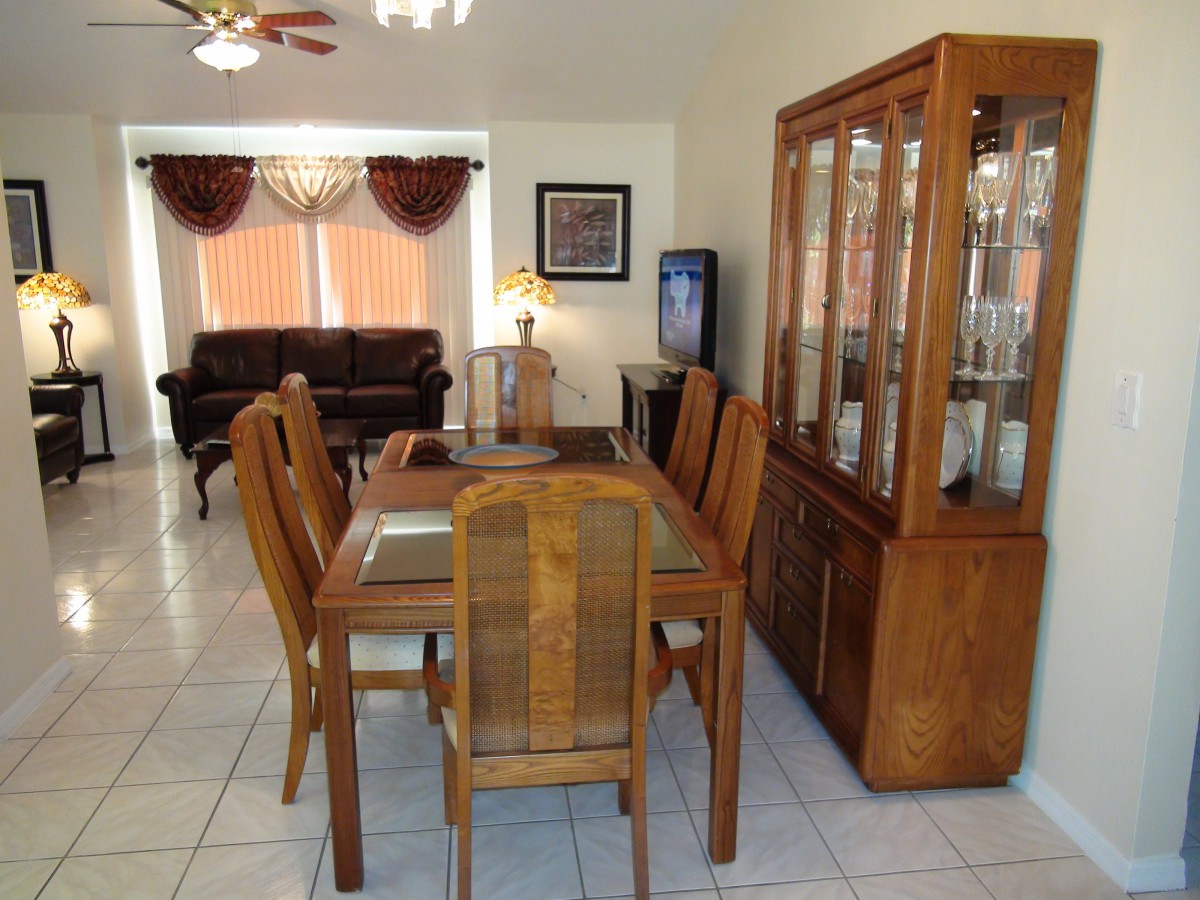
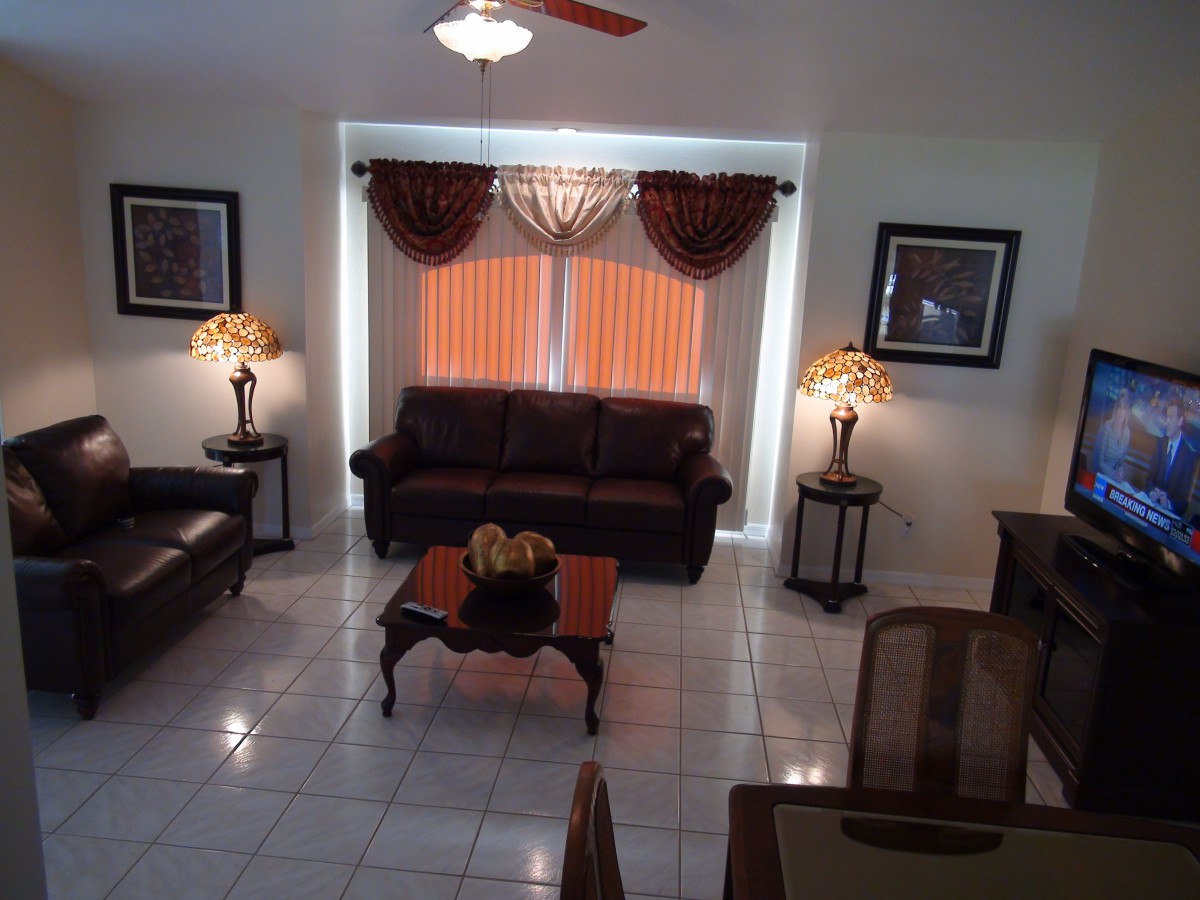
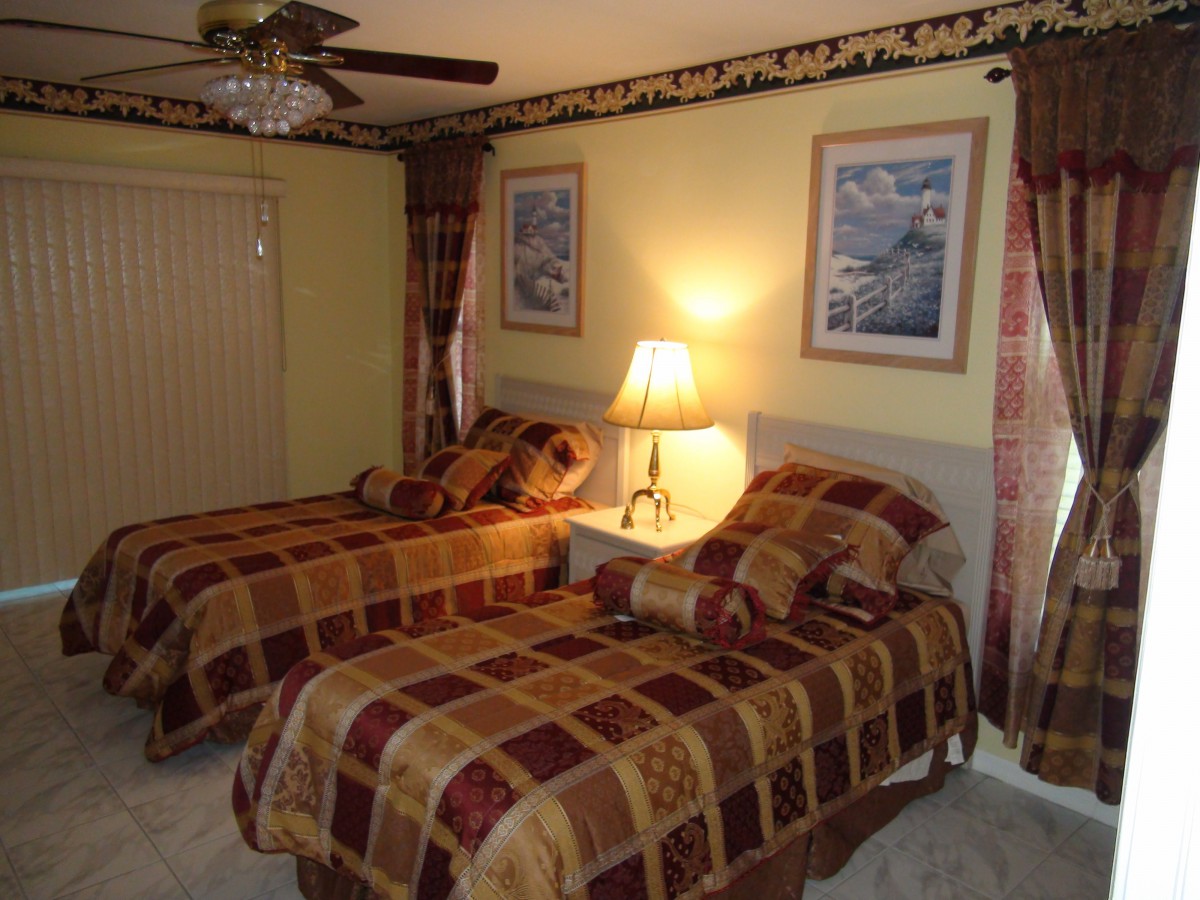
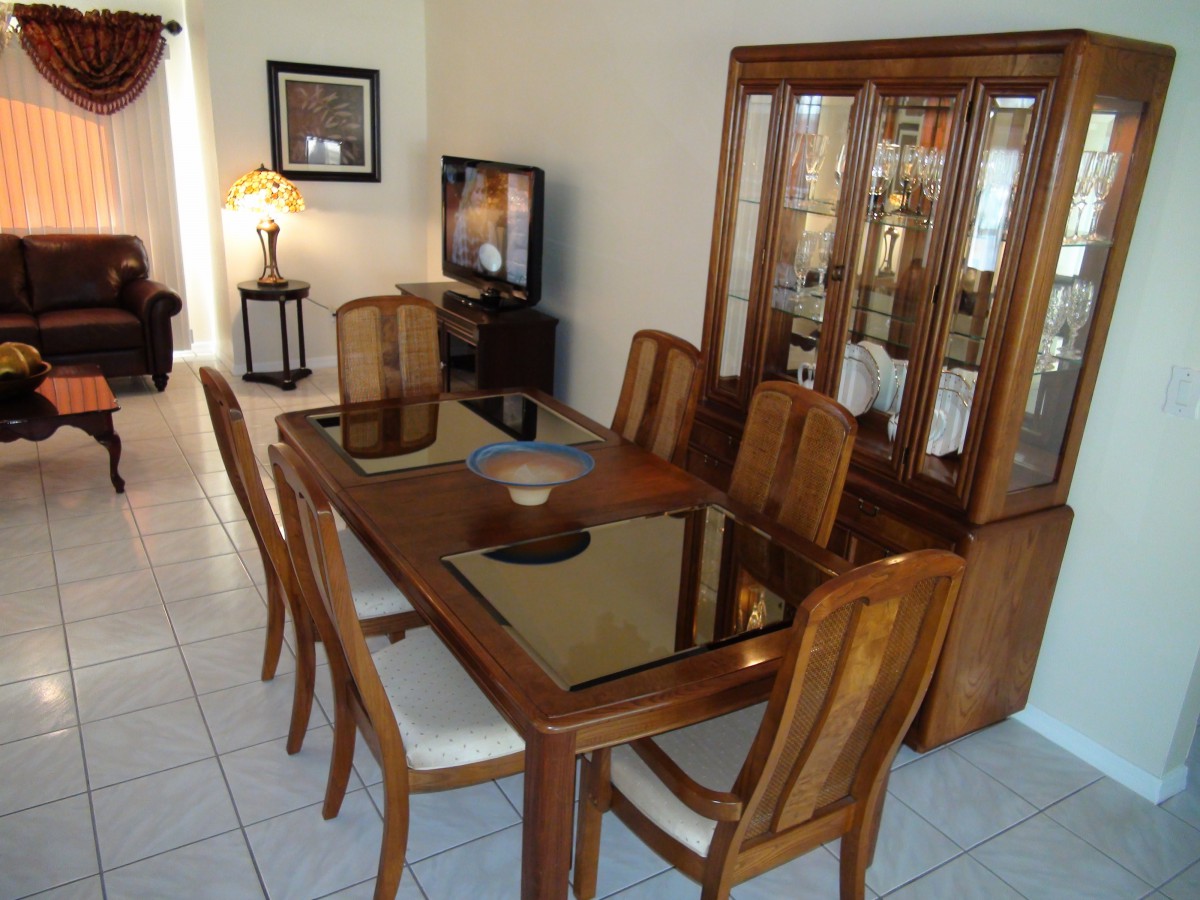
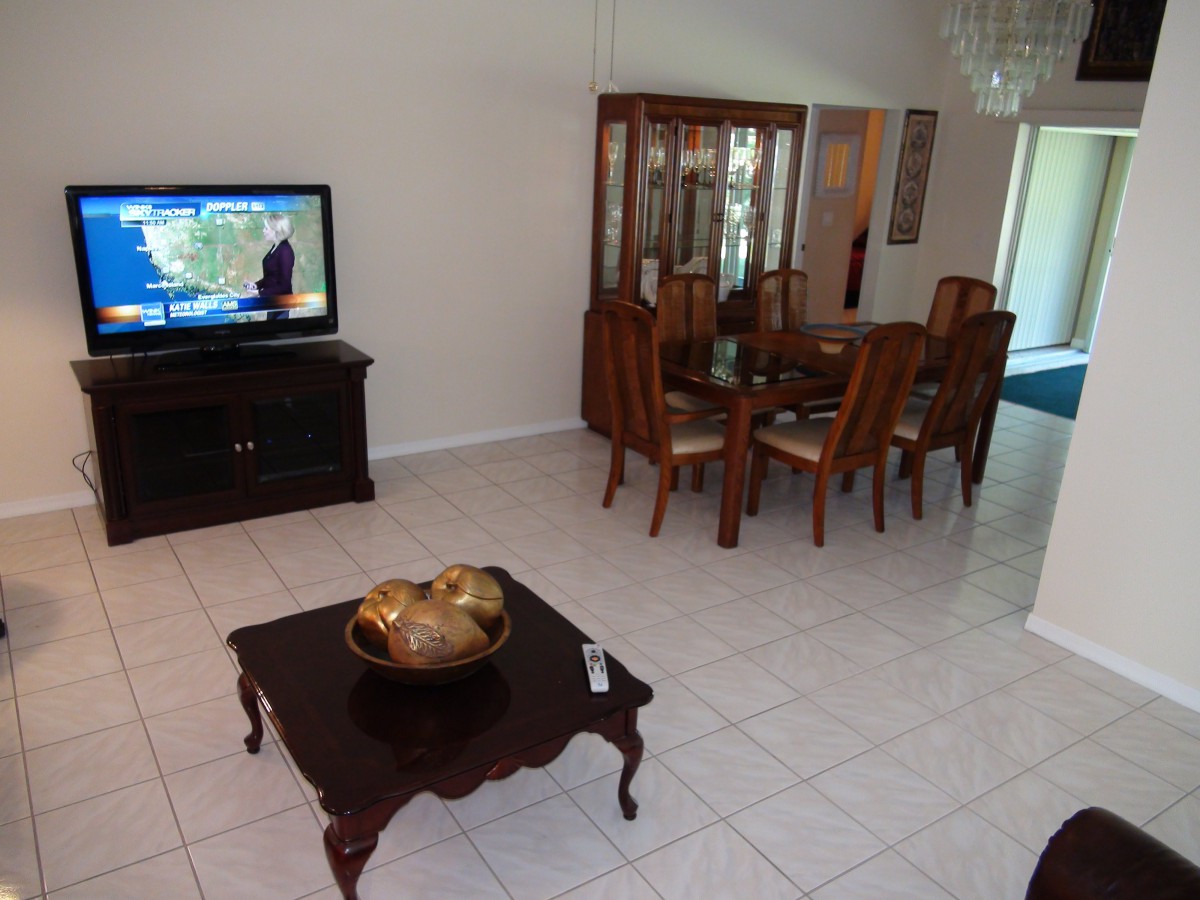
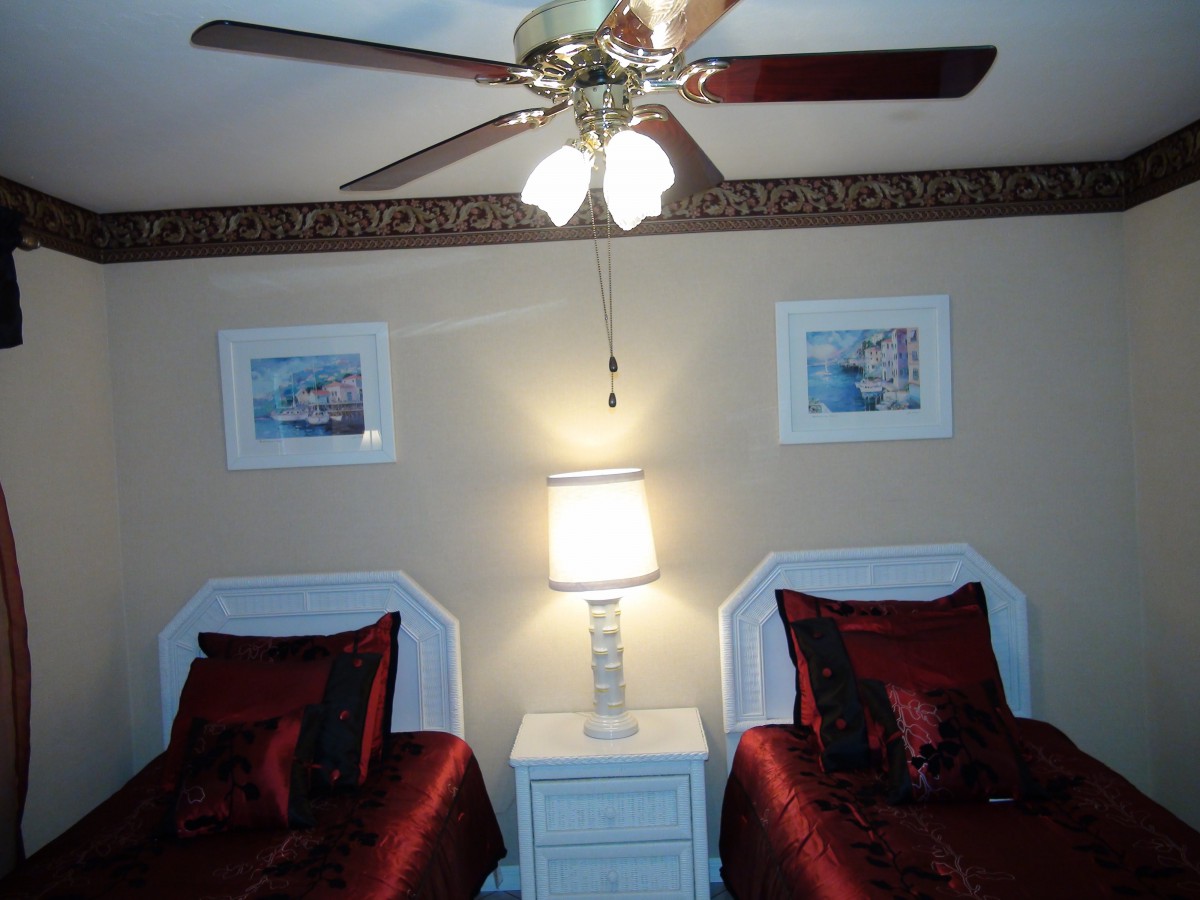
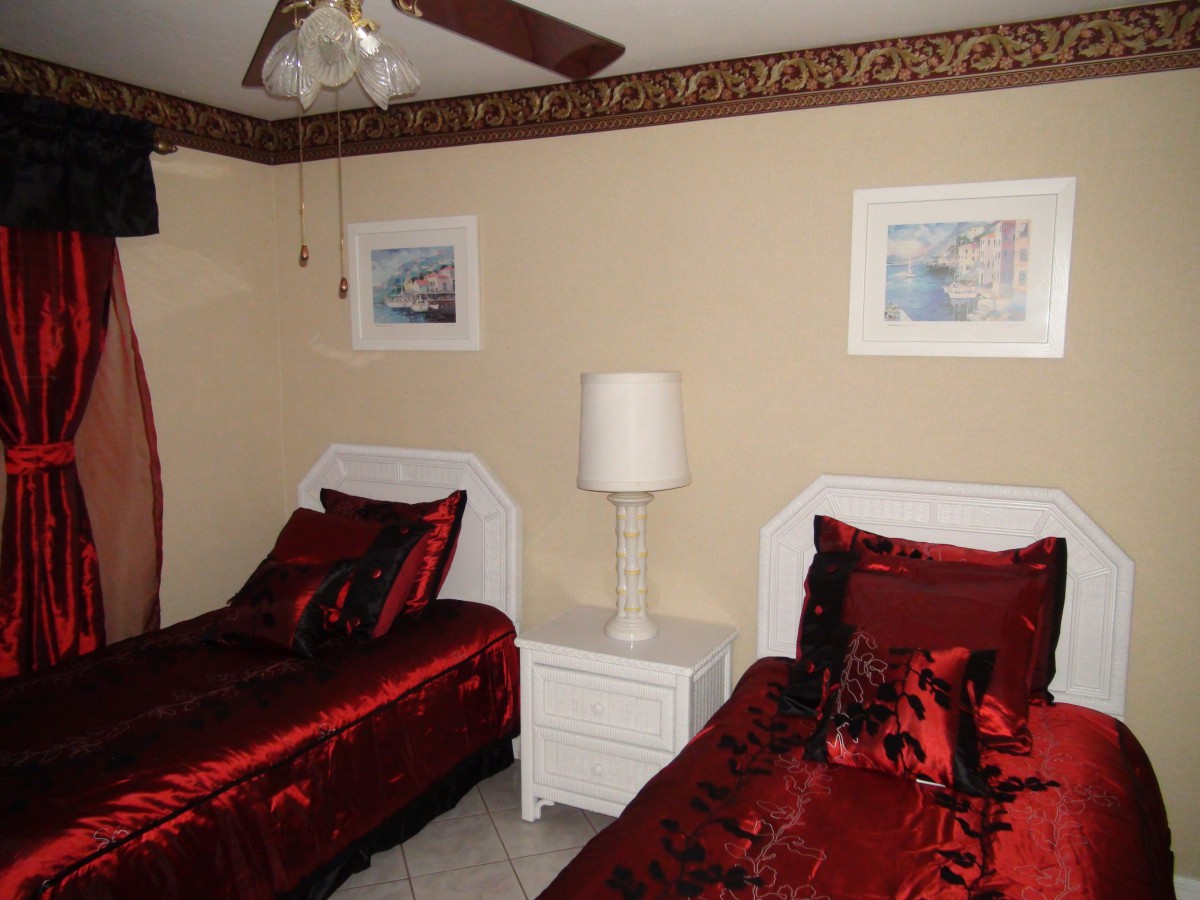
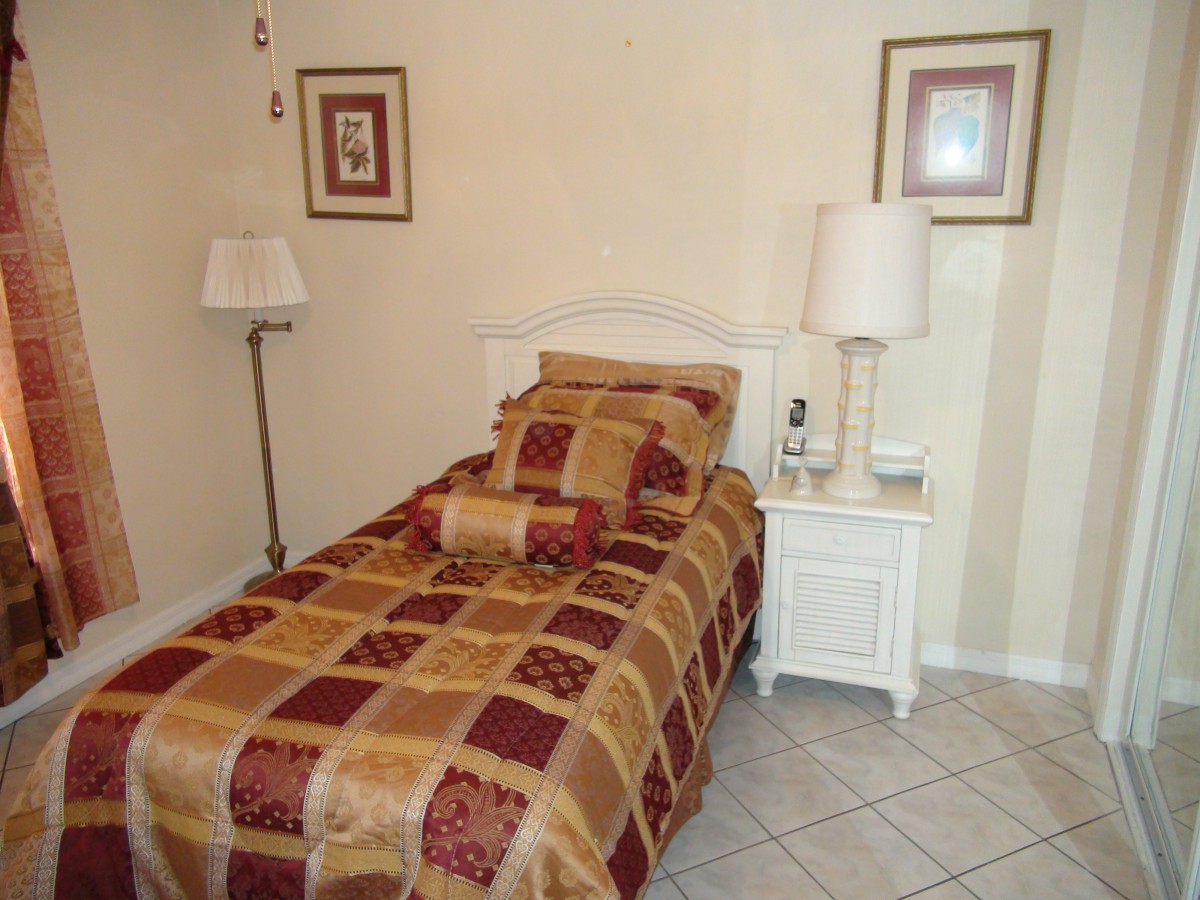
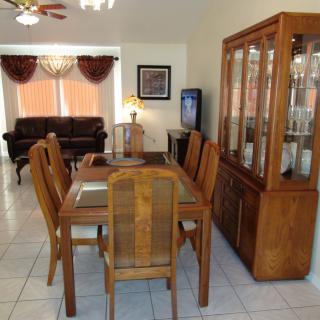
Joseph Desmornes Adult Family Care Home in Cape Coral is best suited for seniors who prize a home-like, intimate atmosphere and for families seeking deeply personalized attention and dependable daily companionship. The setting is clearly small and manageable, with cleanliness and careful oversight emphasized as defining strengths. When the review was written, the home operated with only two residents, a condition that translated into unusually close caregiver-resident relationships. The staff are described as an extension of the family, delivering care with warmth and consistency that can soothe anxiety for those who want a steady, familiar presence in the final years of life. For families prioritizing dignity, quiet, and direct access to caregivers, this option stands out.
Those who may want to consider alternatives should examine needs that outstrip a small home’s footprint. If medical complexity requires continuous on-site nursing, specialized memory care programming, or a broad spectrum of rehabilitative services, a larger assisted living or a memory-care-focused community may be more appropriate. Similarly, if social programming, structured activities, or transportation to appointments are top priorities, a bigger campus with more staff and activity coordinators could better fit. Prospective residents with broader medical needs or desires for extensive on-site professional oversight may not find those capabilities in a two-resident home, even though the care at this setting is deeply personal.
The strongest pros, cleanliness, calm, and a clearly loving environment, succeed in offsetting the main trade-off presented by the small scale. The home’s intimate nature means staff can anticipate needs, monitor uncomfortable symptoms quickly, and tailor routines to individual preferences. The peace of mind described by family members flows from consistent faces, reliable routines, and a sense that care decisions are made with real attentiveness rather than generic policy. End-of-life moments, memory of a caretaker who becomes part of the family, and a sense of dignity embedded in daily care are the kinds of positives that can outweigh the constraints of a limited resident census.
To assess fit on the ground, expect a practical verification process: verify licensing and compliance, confirm who provides medical oversight and how medications are managed, and inquire about staff availability around the clock. Clarify care planning processes, any on-site nursing or physician visits, and how emergencies are handled. Probe daily life specifics, meal planning, activity offerings, visitation policies, and spiritual or cultural accommodations. Ask about transparency on costs, contract terms, and what happens if the level of care needs intensify. The aim is to confirm that the home’s strengths align with the resident’s daily realities and the family’s expectations for ongoing involvement.
In the broader landscape, Joseph Desmornes presents a compelling value proposition for families prioritizing a nurturing, low-stress environment over campus-wide amenities. The testimonial available emphasizes a high-touch, compassionate approach where the staff “become an extension of the family,” and where cleanliness and order contribute to a sense of security. However, the single data point means careful corroboration is essential. Potential residents should visit, meet the caregivers, and observe interactions in multiple moments of the day to ensure the warmth described translates into reliable, day-to-day practice.
The verdict is clear: this community is an excellent match for seniors who thrive on personal attention, a quiet, homelike setting, and a caregiving team that feels like family. For families seeking strong, individualized care without the bustle of a larger facility, and who can accept that medical and social programming may be more limited, Joseph Desmornes can deliver peace of mind and meaningful connection. If the senior’s needs demand more expansive medical services, memory-care expertise, or a robust activity calendar, alternative options with broader on-site nursing capabilities will be more suitable. A tour paired with candid conversations about staffing, care plans, and cost will confirm fit and guide the next step.
 Board and Care Home
 Activities off-site
 Bath tubs
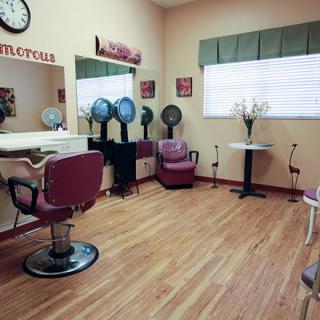
 Beautician on-site
 Indoor common areas
 Outdoor common areas
 Private
 Private bathrooms
 Respite or short term stays offered
 Southwest Florida International (17 miles away)
 Ambulatory care
 High acuity care
 Incontinence care
 Medication management
 Meals provided


 Compassionate Conversations: How to Comfort Someone Who Is Grieving
 Home Health Care Aides: Understanding Their Role and Supporting Your Family
 Urinary Tract Infections in Older Adults: Comprehensive Insights on Symptoms, Treatment, and Prevention